Curcumin bioavailability: the ArthMira science of absorption

Updated September 2026 · reviewed by the ArthMira Research Team. We are an independent information resource, not a medical provider, and this article is educational rather than medical advice.
Curcumin bioavailability is the fraction of the curcumin you swallow that actually reaches your bloodstream in an active, usable form — and for plain curcumin that fraction is famously small. Most of the dose never makes it in, which is why the way a supplement is designed matters as much as how much curcumin it contains. This article explains why curcumin is so hard to absorb, how black pepper changes the picture, and where the ArthMira curcumin-plus-BioPerine design fits.
How curcumin absorption actually works, in one place.
- The problem
- Curcumin barely dissolves in water, is unstable at gut pH, and is broken down quickly — so very little reaches the blood on its own.
- The piperine fix
- Piperine from black pepper slows the enzymes that clear curcumin, letting more of it stay in circulation.
- The evidence
- A classic human study reported curcumin bioavailability rising sharply when a small dose of piperine was added.
- How ArthMira applies it
- Standardized turmeric and 95% curcumin are paired with BioPerine® black pepper in one daily capsule.
- Honest caveat
- Better absorption is about uptake, not treatment — curcumin is wellness support, not medicine for any disease.
Turmeric has been used for centuries, yet modern research kept hitting a puzzle: give people ordinary curcumin and only traces appear in their blood. That gap between what you take and what you absorb is the heart of the bioavailability story — and why formula design matters before you compare labels.
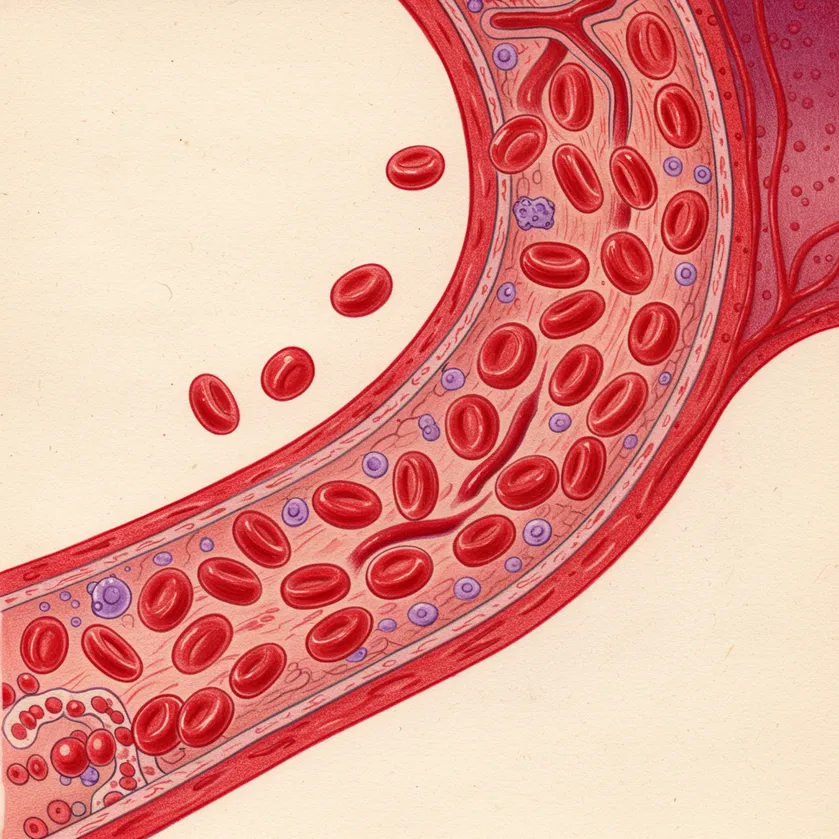
What is curcumin bioavailability?
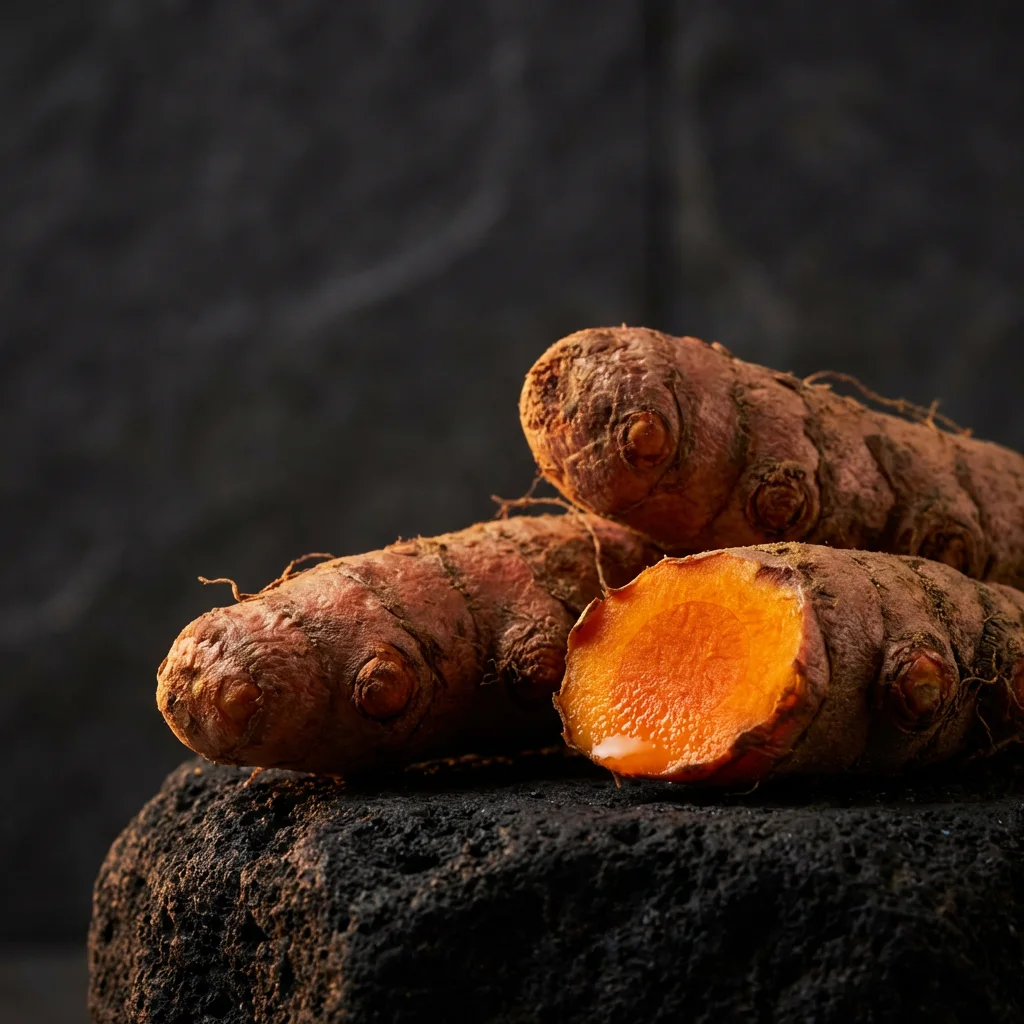
Curcumin bioavailability is the proportion of an oral curcumin dose that reaches the bloodstream in an active form. It is not the same as the amount on a label: a capsule can hold a large dose of curcuminoids and still deliver very little if the compound is not absorbed. Curcumin is the principal curcuminoid in turmeric, the golden pigment behind its colour and much of its studied activity — and one of the harder natural compounds to get into circulation.
Why is curcumin so poorly absorbed?
Curcumin is poorly absorbed because three obstacles stack against it at once: it hardly dissolves, it is chemically unstable in the gut, and the body clears it almost as fast as it appears. Any one would blunt absorption; together they explain why standard curcumin shows up in blood only in tiny amounts — and why formulators add absorption helpers rather than more curcumin.
What happens to curcumin in the gut?
Curcumin is strongly fat-soluble and almost insoluble in water, so in the watery digestive tract most of it never dissolves well enough to cross the intestinal wall. It is also unstable at the near-neutral pH of the small intestine, where a large share degrades before it can be taken up. What does get through then meets the gut wall itself, which actively pumps some curcumin back out.
How fast does the body clear it?
The small amount of curcumin that reaches the intestinal cells and liver is rapidly transformed by enzymes in a process called first-pass metabolism. Through reactions known as glucuronidation and sulfation, the liver makes curcumin water-soluble and easy to excrete — efficient for clearance, but little intact curcumin then remains in circulation. This is the single biggest reason plain curcumin bioavailability is low, and exactly the step a piperine helper targets.
| Barrier to absorption | What happens | Why it lowers bioavailability |
|---|---|---|
| Poor solubility | Barely dissolves in water | Undissolved curcumin cannot cross the intestinal wall. |
| Chemical instability | Degrades at the neutral pH of the small intestine | Much of the dose breaks down before absorption. |
| Efflux pumps | The gut wall pumps some curcumin back out | Reduces the net amount that gets through. |
| First-pass metabolism | Liver and gut enzymes rapidly convert it | Little intact curcumin survives to the blood. |
| Fast excretion | Water-soluble metabolites are cleared quickly | Blood levels stay low and brief. |
See the exact dose in ArthMira →
How is curcumin absorbed once it does get in?
Once curcumin dissolves and crosses the intestinal lining, it passes through the gut wall and liver before reaching general circulation. Because it is fat-soluble, it absorbs better with dietary fat, so taking it with a meal helps more than an empty stomach. The core challenge, though, is not the crossing but what follows: the faster the liver clears curcumin, the less is available. That is why the best strategies protect curcumin from breakdown rather than simply raising the dose.
How does piperine change curcumin bioavailability?
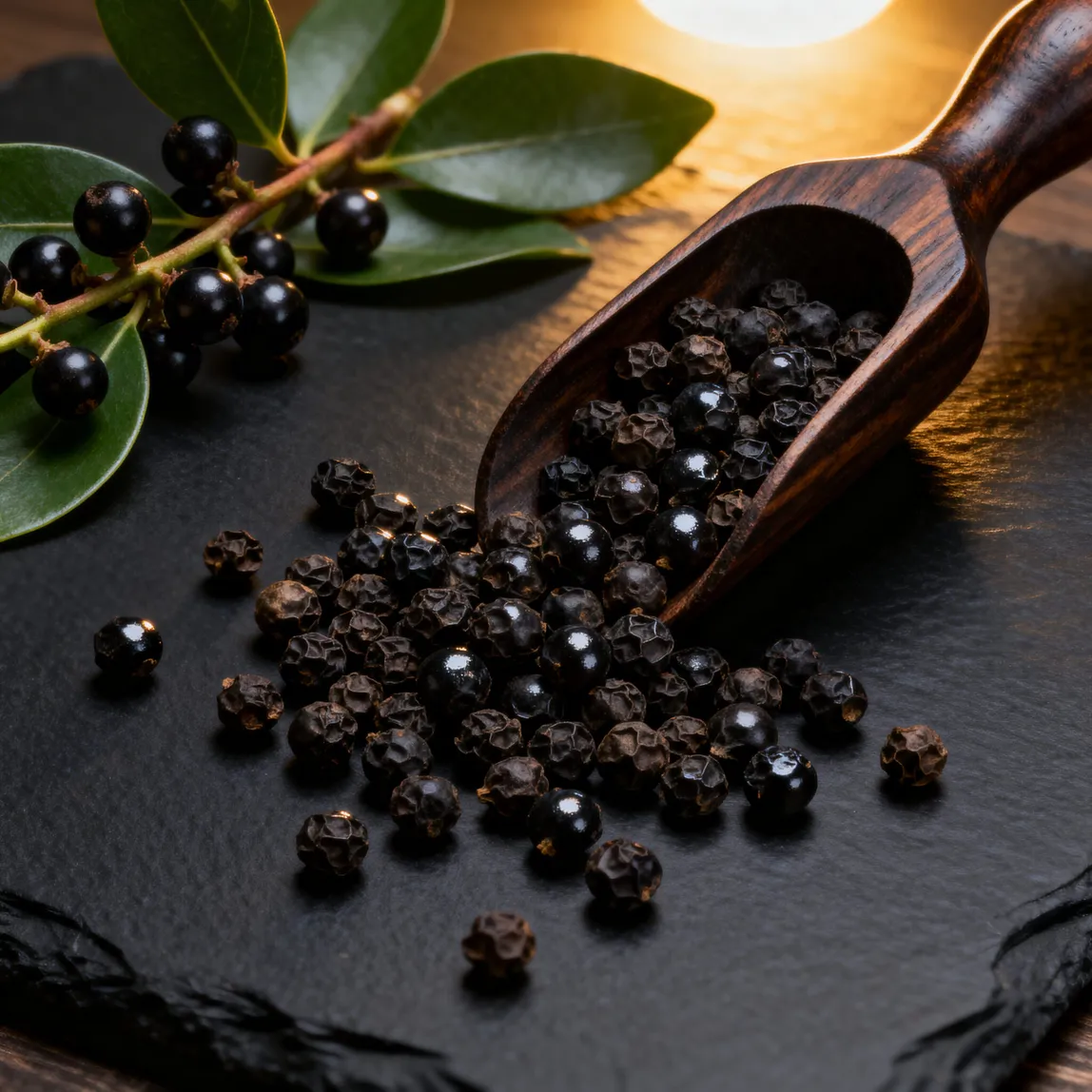
Piperine, the pungent active compound in black pepper, increases curcumin bioavailability by slowing the enzymes that would otherwise break it down. It inhibits some of the glucuronidation activity in the gut and liver responsible for first-pass metabolism, so more intact curcumin lingers in the bloodstream rather than being converted and excreted — the modern explanation for the old tradition of cooking turmeric with black pepper. We look at how to choose a joint health supplement separately, if you want the longer version.
The most-cited human evidence is a small controlled study in which volunteers took curcumin either alone or with a modest dose of piperine. Adding piperine produced a large increase in the measured bioavailability of curcumin, without changing the curcumin dose. It was a small study, and absorption varies between people and product forms, so it is supportive rather than definitive — but it is why piperine became a standard partner for curcumin, and why a standardized pepper extract is built into ArthMira. For more, see our companion piece on BioPerine, black pepper and curcumin absorption.
What other ways can curcumin absorption be improved?
Piperine is the best-known absorption helper, but not the only one. Because the core problem is solubility and stability, several strategies change how curcumin is delivered — from pairing it with fats to reformulating it at a microscopic scale. The table below sorts the common ones so you can see where a piperine-based capsule sits.
| Absorption strategy | How it works | Practical notes |
|---|---|---|
| Piperine (black pepper) | Slows first-pass metabolism so more curcumin survives | Well studied, inexpensive, used in small amounts; the ArthMira approach via BioPerine®. |
| Taking it with fat | Fat-soluble curcumin dissolves into dietary fat | Simple everyday step — take with a meal that contains some fat. |
| Phospholipid complexes | Binds curcumin to lecithin-type carriers | Improves solubility; a more processed, costlier format. |
| Nano / micronized curcumin | Shrinks particle size to dissolve more easily | Can raise uptake; varies widely by product and method. |
| Standardized 95% extract | Concentrates the curcuminoids you start with | More active compound per capsule, so absorption gains count for more. |
ArthMira combines two of these levers: a standardized curcumin extract (95% curcuminoids) so there is more active compound to work with, paired with piperine from BioPerine® to protect it from rapid breakdown. Read more in our guide to curcumin 95% curcuminoids for joints.
How does ArthMira’s curcumin-plus-BioPerine design work?
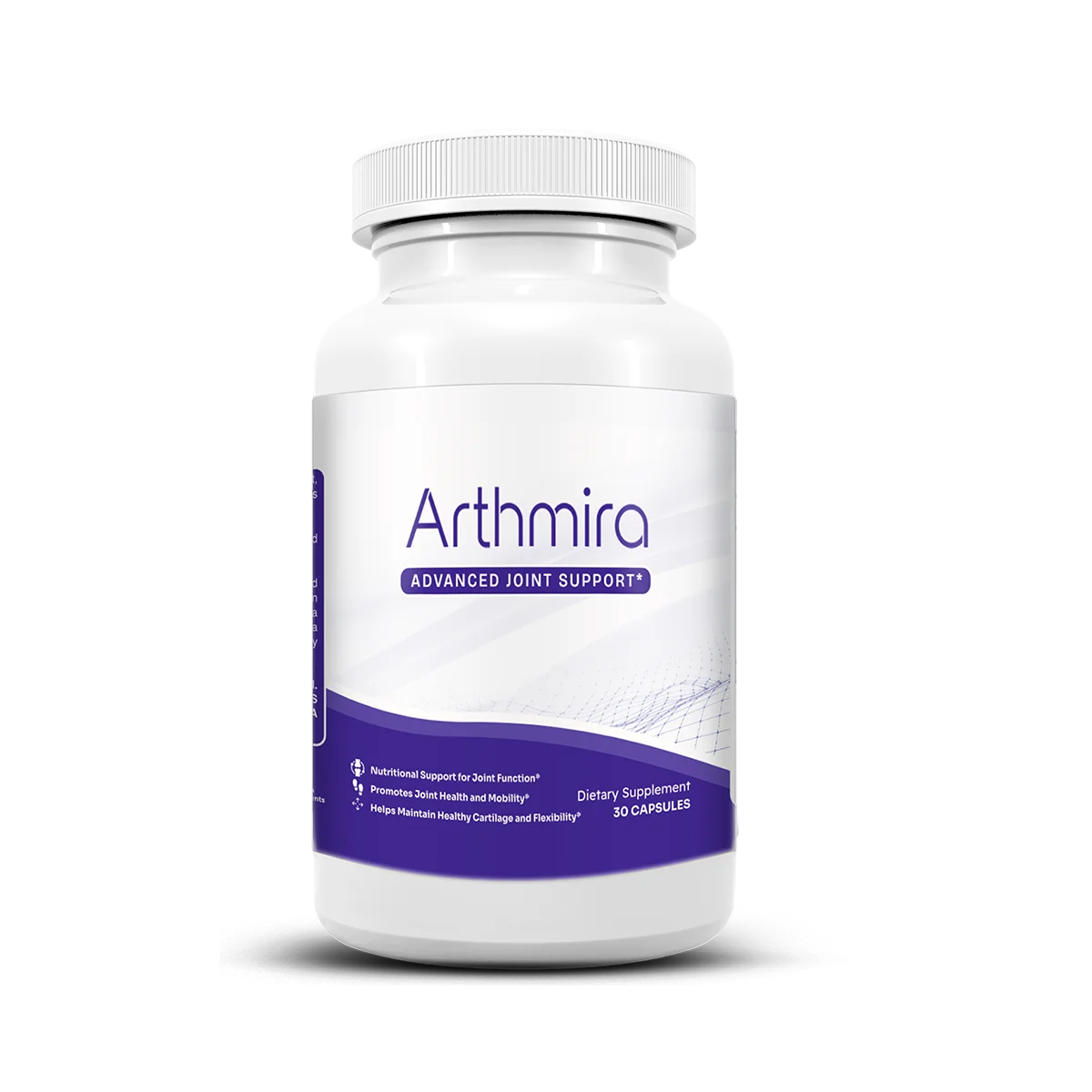
ArthMira is designed around the absorption problem. Each once-daily capsule brings together a 4:1 turmeric root extract, a standardized curcumin extract at 95% curcuminoids, coleus forskohlii, and BioPerine® black pepper. Because piperine only helps when it is present as curcumin is being metabolised, putting both in one capsule keeps the pairing consistent.
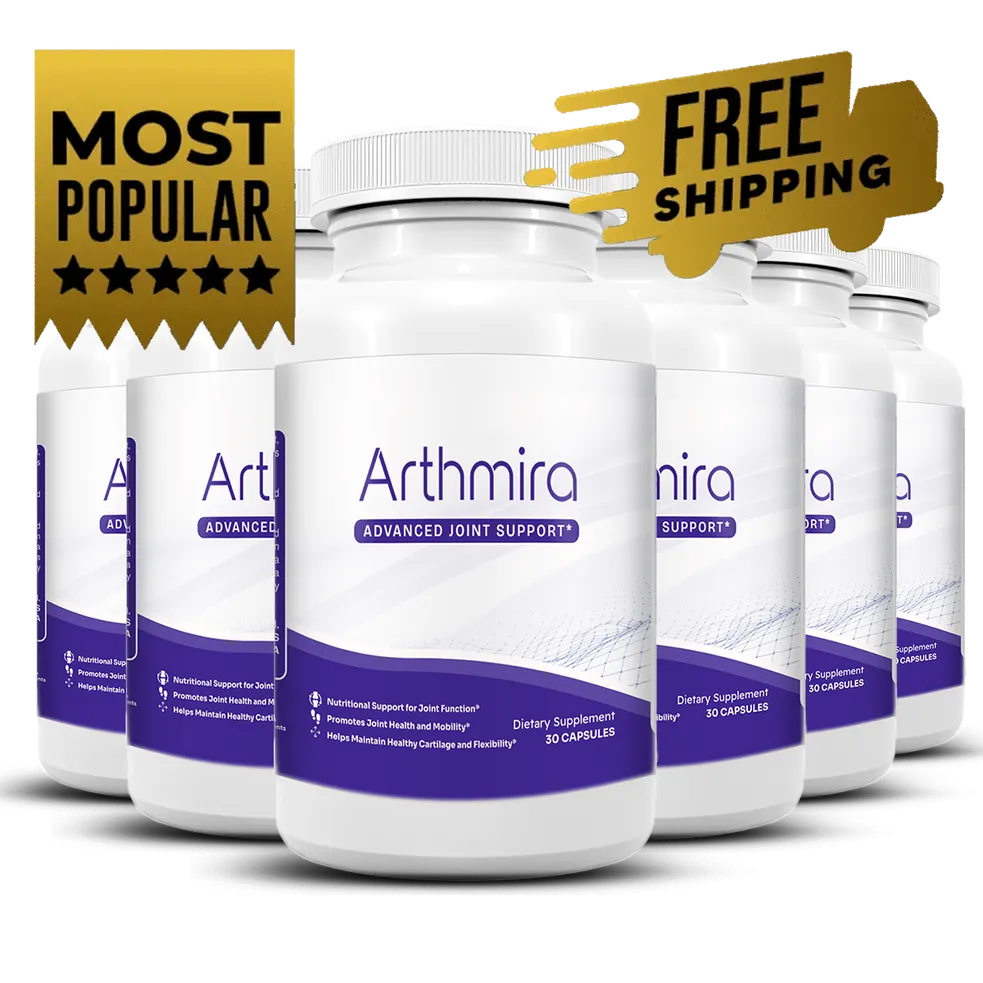
Curcumin and piperine, in one daily capsule
ArthMira pairs standardized 95% curcumin with BioPerine® black pepper so the absorption partner is always present. The six-bottle bundle is the best value at $49 per bottle, with free U.S. shipping and a 60-day guarantee.
Check today’s ArthMira pricing — from $49/bottleHow much curcumin and piperine, and is it safe?
The piperine needed to support curcumin absorption is small — typically a few milligrams alongside a much larger curcumin dose. BioPerine is a standardized black pepper extract providing about 95% piperine, so only a modest quantity is used. Curcumin and turmeric are widely consumed and generally well tolerated, though piperine can affect how the body processes certain medications by slowing the same enzymes it uses to help curcumin — which is why safety matters as much as absorption.
Talk to your doctor first if you are pregnant or nursing, under 18, take prescription medication such as blood thinners, or have a medical condition. Better bioavailability means more curcumin reaches your blood; it does not turn a supplement into a treatment. Curcumin is studied for its role in the body’s normal inflammatory response and used as everyday wellness support — not as medicine for any disease. See our overview of turmeric and curcumin for joint pain.
Frequently asked questions
What is curcumin bioavailability?
Curcumin bioavailability is the share of the curcumin you swallow that actually reaches your bloodstream in an active form. For plain curcumin it is very low, because most of it is poorly dissolved, chemically unstable at gut pH and rapidly broken down before it can be used.
Why is curcumin so poorly absorbed?
Curcumin is poorly absorbed because it barely dissolves in water, it is unstable in the neutral pH of the small intestine, and the liver and gut wall quickly convert it into metabolites that are cleared from the body. The result is that little intact curcumin remains in circulation after an ordinary dose.
How does black pepper improve curcumin absorption?
Piperine, the active compound in black pepper, slows the enzymes in the gut and liver that would normally break curcumin down. By reducing that first-pass metabolism, piperine allows more intact curcumin to stay in the bloodstream. A well-known human study reported a large increase in curcumin bioavailability when a small amount of piperine was added.
What is BioPerine and how much is used?
BioPerine is a standardized black pepper extract providing about 95 percent piperine. It is typically used in small amounts, on the order of a few milligrams, alongside a larger curcumin dose. ArthMira includes BioPerine with its standardized turmeric and curcumin so the two are taken together in one daily capsule.
Should curcumin be taken with food?
Because curcumin is fat-soluble, taking it with a meal that contains some fat can support absorption compared with an empty stomach. Pairing it with piperine, using a standardized extract and taking it consistently are the main levers that most affect how much curcumin your body takes up.
Does more curcumin bioavailability mean it treats joint disease?
No. Better absorption only means more of the compound reaches your blood; it does not make curcumin a treatment for any disease. Curcumin and turmeric are studied for the body's normal inflammatory response and are used as everyday wellness support, not as medicine. Speak with your doctor about any health condition.
See the exact curcumin and BioPerine dose in ArthMira →
ArthMira is a dietary supplement, not a treatment for any medical condition. These statements have not been evaluated by the Food and Drug Administration. This product is not intended to diagnose, treat, cure or prevent any disease. Always consult a qualified healthcare professional about your individual needs.
References & further reading
- Shoba G, et al. Influence of piperine on the pharmacokinetics of curcumin. Planta Medica, 1998. pubmed.ncbi.nlm.nih.gov/9619120
- NCCIH. Turmeric. nccih.nih.gov/health/turmeric
- Examine.com. Curcumin — evidence-based summary. examine.com/supplements/curcumin
- Anand P, et al. Bioavailability of curcumin: problems and promises. Molecular Pharmaceutics, 2007. pubmed.ncbi.nlm.nih.gov/17999464
- NCBI PubChem. Curcumin — compound summary. pubchem.ncbi.nlm.nih.gov/compound/Curcumin
These references describe curcumin and piperine in general scientific terms and do not constitute evidence that any product treats, cures or prevents any condition.
Keep reading: BioPerine & curcumin absorption · curcumin 95% curcuminoids for joints · turmeric and curcumin for joint pain · back to the ArthMira blog · homepage.