How to ease joint pain naturally: the ArthMira guide

Updated September 2026 · reviewed by the ArthMira Research Team. We are an independent information resource, not a medical provider, and this article is educational rather than medical advice.
To ease joint pain naturally means using everyday movement, a healthy weight, anti-inflammatory food and good recovery habits — and, if you choose, well-studied botanicals like turmeric and curcumin — to help keep your joints comfortable and mobile. It is about consistency over extremes, and it works alongside, not instead of, the guidance of your doctor.
The fastest route to more comfortable joints, in one place.
- The goal
- Reduce the stiffness and everyday aches that come with ordinary joint wear so you can move more freely through the day.
- Biggest levers
- How you move and what you weigh matter most — low-impact activity, strong supporting muscles, a healthy weight and good sleep.
- Food that helps
- An anti-inflammatory pattern — oily fish, colourful produce, olive oil, nuts and spices such as turmeric and ginger.
- Where supplements fit
- Botanicals such as turmeric, curcumin and coleus forskohlii can support the routine, but they are not a treatment for any disease.
- Timeframe
- A warm-up helps the same day; weight, strength and diet changes usually show over several weeks to a few months, and results vary.
If you have ever felt the morning stiffness that takes a while to loosen, you have felt joints under everyday load. For most people the aim is simply steadier, more comfortable movement, and the levers with the most influence are the ordinary ones. This guide walks through them and shows where a turmeric formula like ArthMira fits.
What does it mean to ease joint pain naturally?
Easing joint pain naturally means using movement, weight management, nutrition and recovery to help your joints do what they are built to do: glide, cushion and carry you comfortably. It is not a cure; it is a set of small, repeatable choices that keep stiffness gentler. Two ideas anchor everything below: consistency beats intensity, and these habits stack.
Why do joints get stiff and sore in the first place?
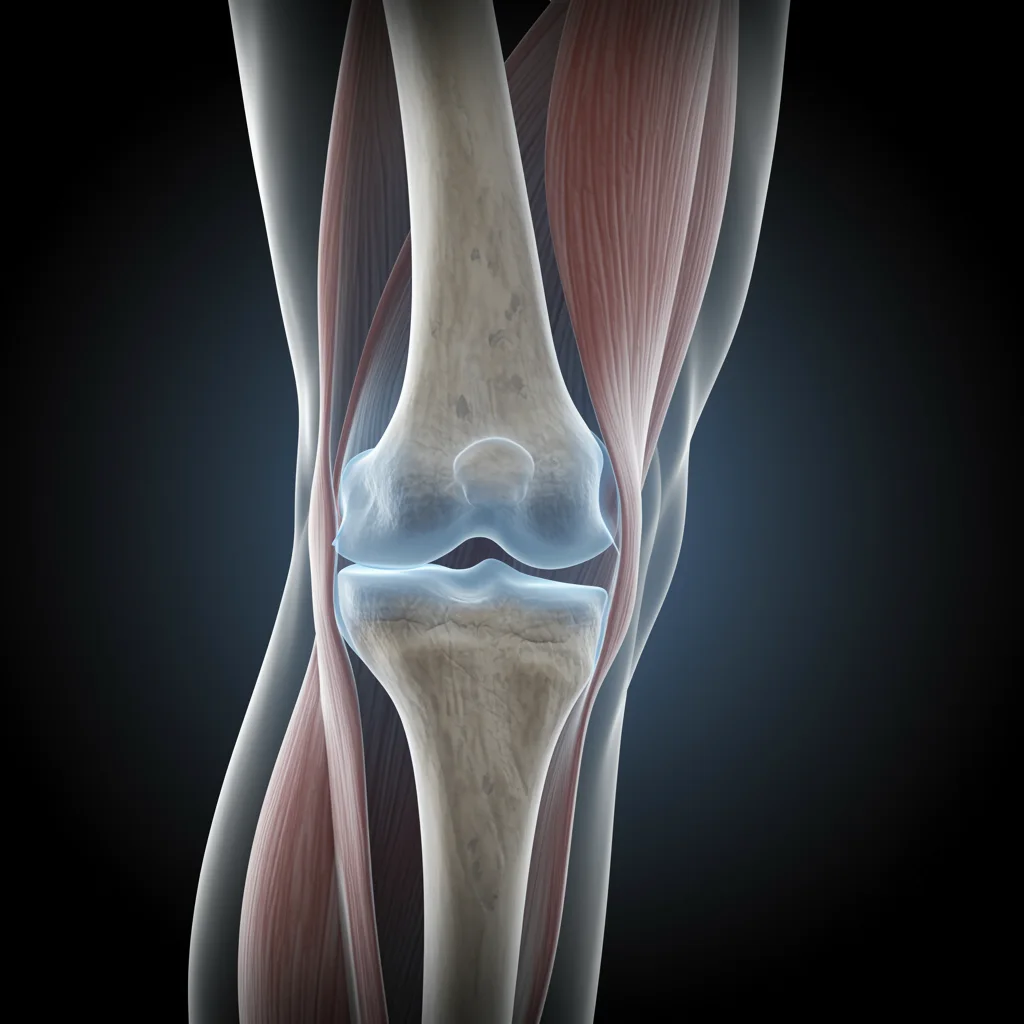
A joint is where two bones meet, cushioned by cartilage and lubricated by synovial fluid so the surfaces slide smoothly. Years of ordinary use, repetitive movement, previous injury and extra load can leave that cushioning less supple — hence the familiar morning stiffness and the ache after a long sit. A sedentary day, poor sleep and an inflammatory diet widen those sensations. The encouraging part: each of those factors is something you can nudge in a better direction.
What are the most effective everyday habits?
1. Move often, and keep it low-impact
Motion is lotion, as physiotherapists like to say. Gentle, regular movement circulates the fluid that lubricates a joint and strengthens the muscles that support it. Low-impact choices — walking, cycling, swimming, water aerobics — give you the benefits without the pounding. Aim for movement most days: little and often beats an occasional heroic session that leaves you sore.
2. Build the muscles around the joint
Strong muscles act like shock absorbers, taking load off the joint itself. Two or three short sessions a week of simple resistance work — chair squats, wall sits, gentle band work, calf raises — can make everyday movement noticeably more comfortable. Focus on the muscles supporting your sorest joints: quads and glutes for knees and hips.
3. Reach and hold a comfortable weight
Because the knees carry several times your body weight with every step, extra load adds up fast. Losing even a modest amount reduces the force through the knees meaningfully — one of the highest-return natural steps for lower-body comfort. You do not need a dramatic transformation; a steady, sustainable direction is what counts.

4. Eat an anti-inflammatory pattern
No single food fixes a joint, but the overall pattern matters. A Mediterranean-style plate — oily fish, colourful produce, olive oil, nuts, beans and whole grains — is associated with a calmer inflammatory profile, while ultra-processed food, excess sugar and fried food push the other way. Turmeric and ginger have long traditions here too. We look at how to improve joint flexibility naturally separately, if you want the longer version.
5. Protect your sleep and manage stress
Sleep is when tissues recover, and short nights leave you more sensitive to discomfort the next day; chronic stress adds to the load. Seven to nine hours of regular sleep, plus simple decompression, supports comfort in ways no supplement can replace.
See how ArthMira fits your routine →
Which nutrients are part of the conversation?
Supplements support the habits above; they are not a substitute, and never a treatment for any condition. Still, a handful of nutrients have long been part of the joint-comfort conversation — several of them in ArthMira.
| Nutrient | Why it is discussed | Traditional / general role |
|---|---|---|
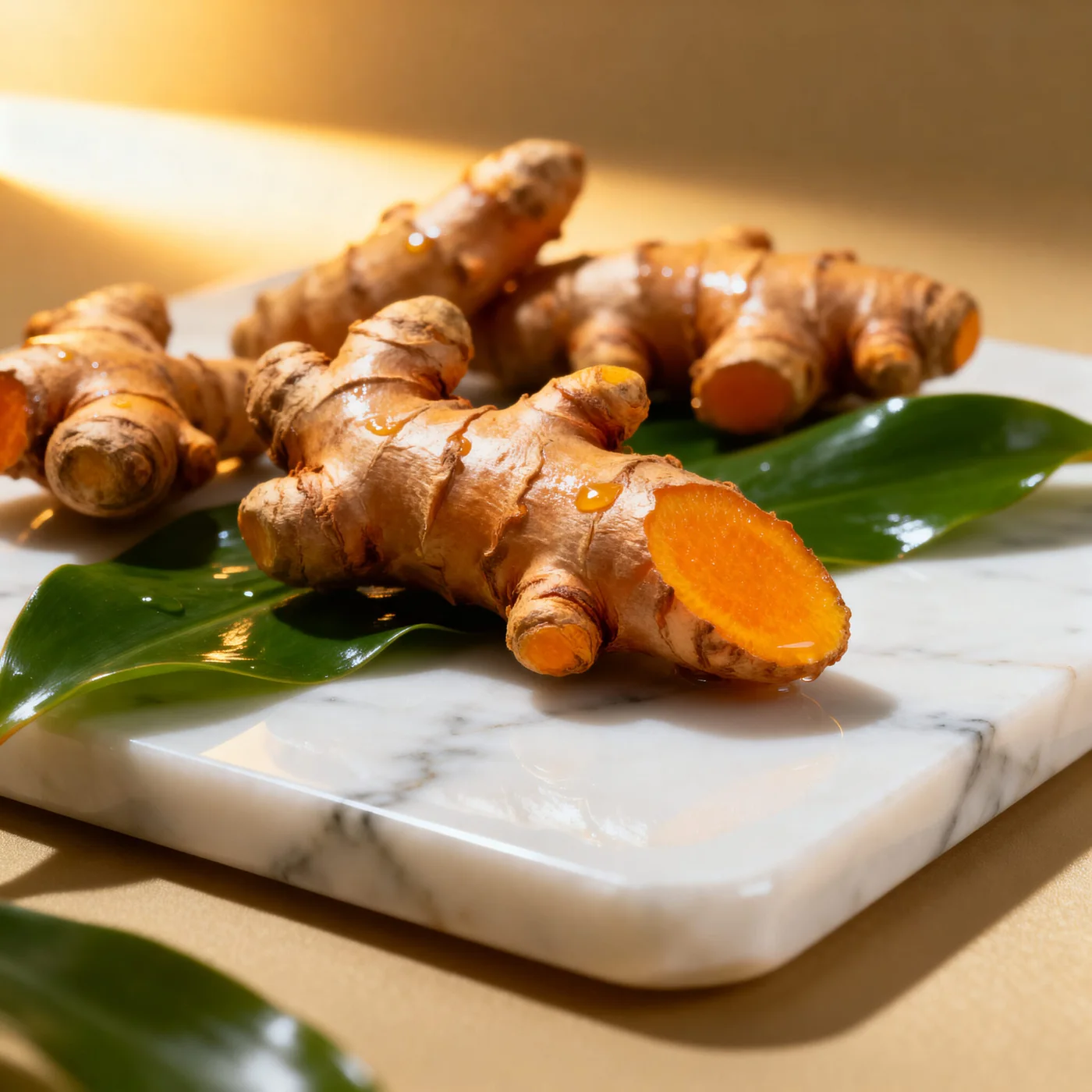
| Turmeric | Ayurvedic root | Used for centuries in joint wellness; the source of curcuminoids, its signature actives. |
| Curcumin | Standardized extract | Widely studied for its role in the body’s normal inflammatory response and everyday joint comfort. |
| Black pepper (piperine) | Absorption aid | Traditionally paired with turmeric; BioPerine is included to help the body take up curcuminoids. |
| Coleus forskohlii | Ayurvedic herb | A traditional botanical and the natural source of forskolin, used in wellness formulas. |
| Omega-3s | From oily fish | Part of an anti-inflammatory eating pattern associated with joint comfort. |
ArthMira brings the turmeric family together: a 4:1 turmeric root extract plus a standardized curcumin extract (95% curcuminoids), with coleus forskohlii and BioPerine® black pepper for absorption, as one daily capsule. For a closer look, read our guide to turmeric and curcumin for joint pain, or see the full ingredients section.
Make it a daily habit
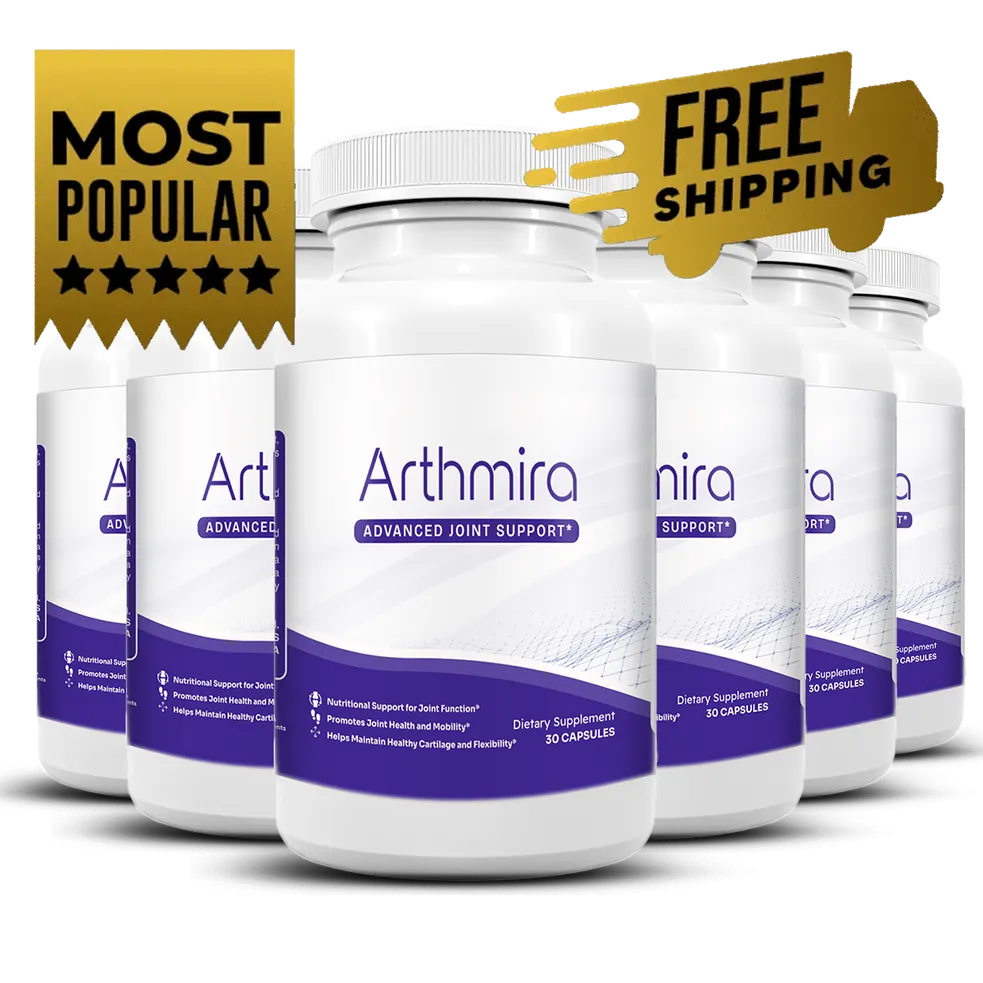
ArthMira is a once-daily capsule pairing standardized turmeric curcumin with BioPerine. The six-bottle bundle is the best value at $49 per bottle, with free U.S. shipping and a 60-day guarantee.
Order ArthMira — from $49/bottleWhich habits work fastest? An at-a-glance table
A “fast” habit is one you feel within a day; a “slow” habit reshapes your baseline over weeks. This table sorts the core habits by how quickly they help and the effort they ask.
| Habit | Typical time to notice | Everyday effort |
|---|---|---|
| Morning warm-up / mobility | Same day | Low |
| Daily low-impact walk | Days | Low |
| Anti-inflammatory eating pattern | Days to weeks | Medium |
| Strength work around the joint | Weeks | Medium |
| Reaching a comfortable weight | Weeks to months | Higher |
| Consistent sleep & stress routine | Weeks | Medium |
Botanicals build their support gradually, so most people choose a multi-month supply to avoid running out mid-routine — compare the packages and pricing on the homepage.
When should you talk to a doctor?
Natural habits support comfortable everyday joints; they are not a replacement for medical care. Speak with your doctor if joint pain is severe, follows an injury, comes with swelling, redness or warmth, wakes you at night, or does not improve with self-care — and before starting any supplement if you are pregnant or nursing, under 18, or take medication such as blood thinners.
Frequently asked questions
What does it mean to ease joint pain naturally?
It means using everyday movement, a healthy weight, anti-inflammatory food and recovery habits — and, optionally, well-studied botanicals like turmeric and curcumin — to help keep joints comfortable and mobile. It complements, rather than replaces, medical care.
Does exercise help or hurt sore joints?
For most everyday stiffness, gentle regular movement helps. Low-impact activity such as walking, cycling and swimming keeps joints lubricated and strengthens the muscles that support them, while complete rest tends to make stiffness worse. Sharp or worsening pain is a reason to see a professional.
Do turmeric and curcumin supplements help joint comfort?
Turmeric and its curcuminoids have a long traditional history in joint wellness and are widely studied for their role in the body’s normal inflammatory response. They are a support to movement and diet, not a treatment, and BioPerine black pepper is often added to help absorption.
How long does it take to feel more comfortable?
A warm-up or a short walk can loosen a stiff joint the same day, while weight, strength and diet changes usually show over several weeks to a few months. Botanicals build their support gradually, and individual results vary.
Does losing a little weight really help my knees?
Yes. Because the knees carry several times your body weight with each step, even a modest reduction meaningfully lowers the load on them over a day of walking, which is one of the most effective natural steps for knee comfort.
When should I see a doctor about joint pain?
See a professional if joint pain is severe, follows an injury, comes with swelling, redness or warmth, wakes you at night, or does not improve with sensible self-care. A quick check ensures anything you add fits safely with your care.
Try ArthMira risk-free for 60 days →
ArthMira is a dietary supplement, not a treatment for any medical condition. These statements have not been evaluated by the Food and Drug Administration. This product is not intended to diagnose, treat, cure or prevent any disease. Always consult a qualified healthcare professional about your individual needs.
References & further reading
- National Center for Complementary and Integrative Health (NCCIH). Osteoarthritis and Complementary Health Approaches. nccih.nih.gov/health/osteoarthritis-in-depth
- National Center for Complementary and Integrative Health (NCCIH). Turmeric. nccih.nih.gov/health/turmeric
- Examine.com. Curcumin — evidence-based summary. examine.com/supplements/curcumin
- Fransen M, McConnell S, Harmer AR, et al. Exercise for osteoarthritis of the knee. Cochrane Database of Systematic Reviews, 2015. Fransen et al., Cochrane Database Syst Rev 2015 — PubMed 25569281
- National Institutes of Health, Office of Dietary Supplements. Omega-3 Fatty Acids — Fact Sheet. ods.od.nih.gov/factsheets/Omega3FattyAcids-HealthProfessional
These references describe the ingredients and habits in general terms and do not constitute evidence that any product treats, cures or prevents any condition.
Keep reading: how turmeric and curcumin work · the best foods and habits for healthy joints · back to the ArthMira blog · homepage.