Best foods and habits for healthy joints: the ArthMira list

Updated September 2026 · reviewed by the ArthMira Research Team. We are an independent information resource, not a medical provider, and this article is educational rather than medical advice.
The best diet for healthy joints is not a single miracle food — it is an anti-inflammatory pattern built from oily fish, colourful produce, olive oil, nuts, beans and spices such as turmeric and ginger, supported by everyday habits like movement, a comfortable weight and good hydration. This guide lists the foods group by group, shows a sample balanced day, and explains where a turmeric supplement like ArthMira fits.
Eating and living for comfortable joints, in one place.
- The pattern
- A Mediterranean-style plate — fish, vegetables, fruit, olive oil, nuts, beans and whole grains — beats any single “superfood”.
- Star foods
- Oily fish for omega-3s, leafy greens and berries for antioxidants, olive oil, and turmeric and ginger for their spices.
- Go easy on
- Ultra-processed food, added sugar, refined grains, fried food and excess alcohol.
- Beyond food
- Low-impact movement, strength work, a comfortable weight, hydration and sleep protect joints too.
- Where ArthMira fits
- A once-daily turmeric-and-curcumin capsule with BioPerine — a support to the pattern, not a treatment.
If you want to eat for more comfortable, mobile joints, the good news is that the same plate that is good for your heart and waistline is good for your joints. Below is the practical, group-by-group version — and where a formula like ArthMira can support the effort.

Why food matters for joints
Everyday joint discomfort is often bound up with the body’s inflammatory processes. Food does not switch inflammation on or off like a light, but the overall pattern of what you eat nudges the background level up or down. A diet rich in whole, colourful, minimally processed food is associated with a calmer profile; a diet heavy in ultra-processed food, sugar and fried food pushes the other way. No single meal makes or breaks a joint — consistency over weeks and months is what counts.
The best food groups for healthy joints
1. Oily fish and omega-3s
Salmon, sardines, mackerel, herring and trout are the headline joint foods because they supply omega-3 fatty acids, a central part of an anti-inflammatory pattern. Aim for two servings of oily fish a week; if you do not eat fish, walnuts, chia, flax and algae-based options offer plant omega-3s.
2. Colourful vegetables and fruit
Leafy greens, broccoli, peppers, tomatoes, berries, cherries and citrus bring the antioxidants and polyphenols associated with a healthier inflammatory profile. A simple target: make half your plate vegetables and reach for a rainbow of colours across the week. There is more on this in our guide to how to soothe aching joints naturally.
3. Extra-virgin olive oil and healthy fats
Extra-virgin olive oil is a cornerstone of the Mediterranean pattern and a good everyday swap for butter and processed oils. Avocado, nuts and seeds round out the healthy-fat category.
4. Beans, lentils and whole grains
Fibre-rich plants — chickpeas, lentils, black beans, oats, barley and quinoa — support a healthy weight and a steadier metabolism, both of which matter for the load your joints carry.
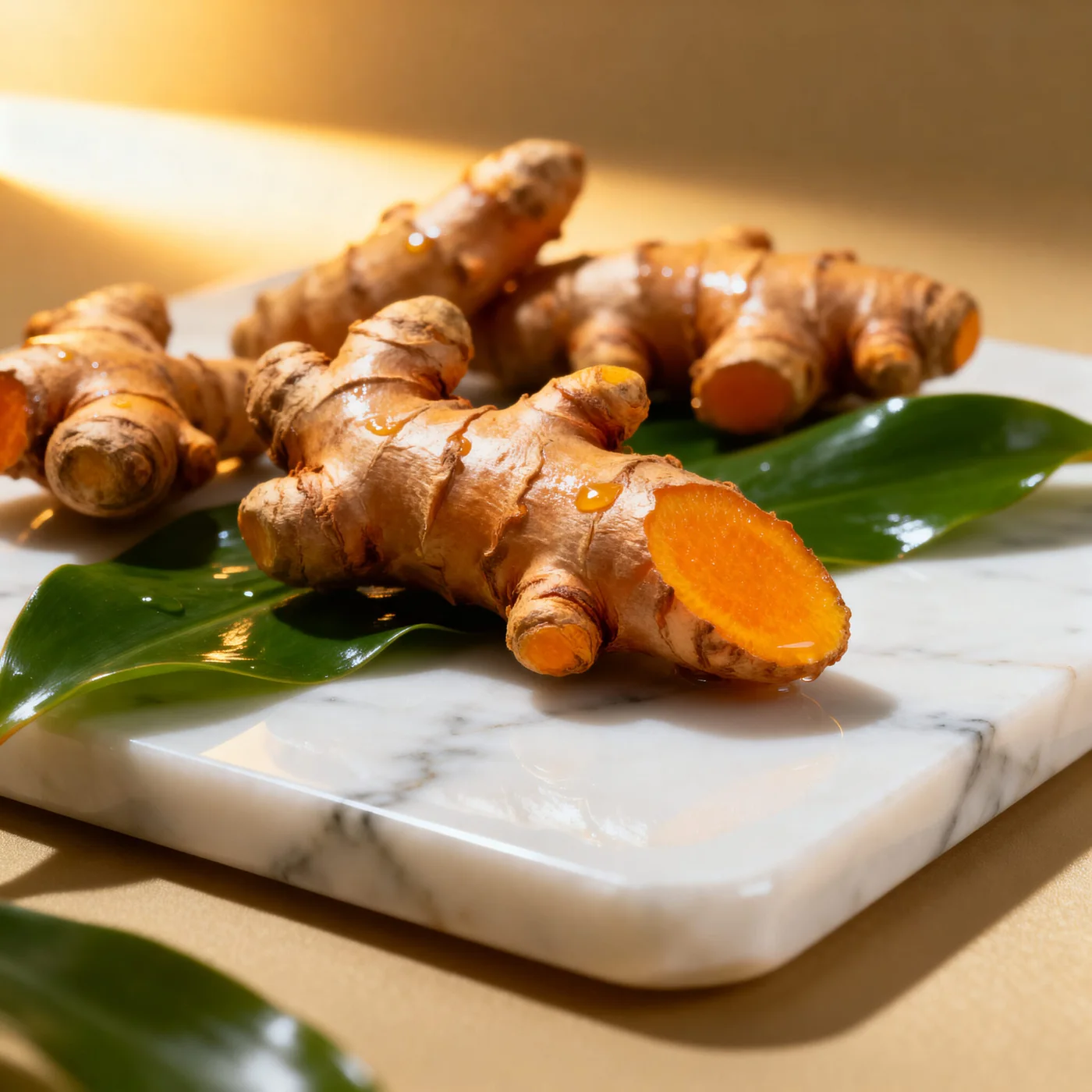
5. Spices: turmeric and ginger
Turmeric and ginger have long traditions in joint wellness. Cooking with them is a healthy habit, though the curcumin in a meal is small and poorly absorbed without black pepper — which is exactly why a standardized supplement pairs turmeric with BioPerine.
| Food group | Everyday examples | Why it helps joints |
|---|---|---|
| Oily fish | Salmon, sardines, mackerel | Omega-3s, central to an anti-inflammatory pattern |
| Colourful produce | Berries, leafy greens, peppers | Antioxidants and polyphenols |
| Healthy fats | Olive oil, avocado, nuts | Replaces processed fats; supports the pattern |
| Fibre-rich plants | Beans, lentils, oats, quinoa | Weight and metabolic support |
| Spices | Turmeric, ginger | Traditional joint-wellness botanicals |
Add a turmeric capsule to your routine →
What to eat less of
Just as important as what you add is what you dial back. The foods most associated with a more inflammatory pattern are the usual suspects: sugar-sweetened drinks and sweets, refined grains such as white bread and pastries, deep-fried food, processed and cured meats in excess, and heavy alcohol use. You do not need perfection — simply shifting the balance toward whole foods most of the time does the heavy lifting. For the fuller picture, see what we found on the vitamins that matter for joint health.
A sample joint-friendly day
Here is one easy way the pattern comes together across a day. Treat it as a template, not a prescription — swap freely for foods you enjoy.
| Meal | Example |
|---|---|
| Breakfast | Oats with berries, walnuts and a spoon of ground flax |
| Lunch | Big salad with leafy greens, chickpeas, olive oil and grilled salmon |
| Snack | A handful of almonds and a piece of whole fruit |
| Dinner | Vegetable and lentil curry with turmeric, ginger and black pepper |
| Drinks | Water, unsweetened tea; green tea for its polyphenols |
Daily habits that protect joints
Food is only half the story. Pair it with the movement and recovery habits from our natural joint-comfort guide: regular low-impact activity, two short strength sessions a week, reaching a comfortable weight, staying hydrated so cartilage and joint fluid can do their job, and protecting consistent sleep. Together, food and habits work far better than either alone.

Where a supplement fits
A supplement is a supplement — it supports a good diet and active routine rather than replacing them, and it is never a treatment for any condition. If you want a concentrated, convenient way to add turmeric to the mix, ArthMira pairs a 4:1 turmeric root extract with a standardized 95% curcuminoid extract, coleus forskohlii and BioPerine® black pepper for absorption, as one daily capsule. Learn more in our guide to turmeric and curcumin for joint pain.
Turmeric support, made simple
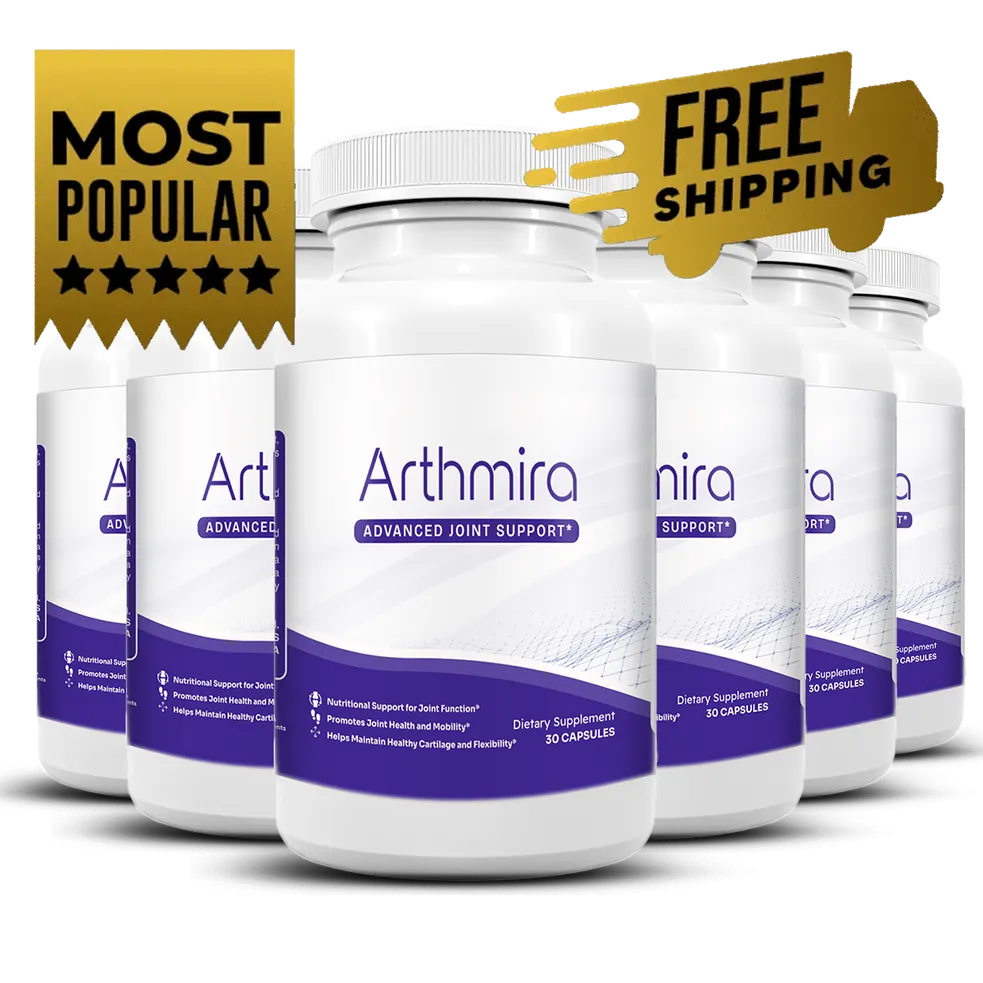
ArthMira brings standardized turmeric curcumin and BioPerine into one daily capsule. The six-bottle bundle is the best value at $49 per bottle, with free U.S. shipping and a 60-day guarantee.
Order ArthMira — from $49/bottleFrequently asked questions
What foods are best for healthy joints?
Foods that fit an anti-inflammatory pattern: oily fish, colourful vegetables and fruit, extra-virgin olive oil, nuts and seeds, beans and whole grains, and spices such as turmeric and ginger. It is the overall pattern, not any single food, that matters most.
Are there foods that make joint discomfort worse?
Diets high in ultra-processed food, added sugar, refined grains, fried food and excess alcohol are associated with a more inflammatory profile. Cutting back on these while adding whole foods tends to help the overall picture over time.
Does turmeric in food help joints, or do I need a supplement?
Culinary turmeric is a healthy addition, though the amount of curcumin in a meal is small and poorly absorbed without black pepper. A standardized supplement like ArthMira concentrates the curcuminoids and adds BioPerine to support absorption, as one daily capsule.
What daily habits protect joints besides diet?
Regular low-impact movement, strength work for the muscles around a joint, reaching a comfortable weight, staying hydrated, and consistent sleep all protect joint comfort. Food and habits work together rather than in isolation.
Does drinking water help joints?
Cartilage and the synovial fluid that lubricates a joint are mostly water, so staying well hydrated supports smooth movement. Water is also the simplest swap for sugary drinks, which push the inflammatory picture the wrong way.
How soon will a better diet help my joints?
Some people notice a difference in how they feel within a couple of weeks of eating better, but the deeper benefits of weight, strength and an anti-inflammatory pattern build over several weeks to months. Consistency is what turns it into a steadier baseline.
Try ArthMira risk-free for 60 days →
ArthMira is a dietary supplement, not a treatment for any medical condition. These statements have not been evaluated by the Food and Drug Administration. This product is not intended to diagnose, treat, cure or prevent any disease. Always consult a qualified healthcare professional about your individual needs.
References & further reading
- National Center for Complementary and Integrative Health (NCCIH). Osteoarthritis and Complementary Health Approaches. nccih.nih.gov/health/osteoarthritis-in-depth
- National Institutes of Health, Office of Dietary Supplements. Omega-3 Fatty Acids — Fact Sheet. ods.od.nih.gov/factsheets/Omega3FattyAcids-HealthProfessional
- Examine.com. Curcumin — evidence-based summary. examine.com/supplements/curcumin
- Morales-Ivorra I, Romera-Baures M, Román-Viñas B, Serra-Majem L. Osteoarthritis and the Mediterranean Diet: A Systematic Review. Nutrients, 2018. Morales-Ivorra et al., Nutrients 2018 — PubMed 30087302
- National Center for Complementary and Integrative Health (NCCIH). Turmeric. nccih.nih.gov/health/turmeric
These references describe the ingredients and habits in general terms and do not constitute evidence that any product treats, cures or prevents any condition.
Keep reading: how to ease joint pain naturally · how turmeric and curcumin work · back to the ArthMira blog · homepage.