Vitamins for joint health: where ArthMira fits in

Updated September 2026 · reviewed by the ArthMira Research Team. We are an independent information resource, not a medical provider, and this article is educational rather than medical advice.
Vitamins for joint health are the everyday nutrients — led by vitamin D, vitamin C, vitamin K2 and the omega-3 fatty acids — that help the body build and maintain the bone, cartilage and connective tissue your joints rely on. They are a foundation you eat every day, not a treatment for any condition, and they work best alongside movement, a healthy weight, and, if you choose, a well-studied botanical such as ArthMira.
Which vitamins for joints matter, in one place.
- The short version
- No single vitamin fixes a joint; a handful of nutrients support the tissues around it, and diet is the main way to get them.
- The core four
- Vitamin D and K2 for bone support, vitamin C for normal collagen formation, and omega-3s for the body’s normal inflammatory response.
- Food first
- Oily fish, leafy greens, citrus, colourful produce and sensible sun cover most of the list — vitamin D is the common gap.
- Where ArthMira fits
- A once-daily turmeric and curcumin capsule that complements, rather than replaces, a nutrient-rich diet.
If you have ever scanned a supplement aisle wondering which bottle actually matters for your knees, hips or hands, you are asking the right question. The honest answer is that joints are built and maintained by a small set of nutrients you can largely get from food, and that supplements fill gaps rather than perform miracles. This guide walks through the nutrients most linked to joint comfort and shows where a turmeric formula like ArthMira fits into the picture.

What are the best vitamins for joint health?
The best vitamins for joint health are the ones that support the raw materials your joints are made of: strong bone, resilient cartilage and flexible connective tissue. That means a short, well-evidenced list rather than a long one. Below are the nutrients that show up again and again in the research and in nutrition guidance from bodies like the NIH Office of Dietary Supplements.

Vitamin D: the bone-and-muscle anchor
Vitamin D helps the body absorb calcium and supports normal bone and muscle function, which is why it is central to any joint-nutrition conversation. It is also the nutrient most people fall short on, because it is hard to get from food and depends on sun exposure that varies by season and skin type. A simple blood test tells you where you stand, and correcting a genuine deficiency is one of the clearest wins in this whole list.
Vitamin C: the collagen builder
Vitamin C is required for the normal formation of collagen, the protein that gives cartilage, tendons and ligaments their structure. Your body cannot make collagen properly without it, so a steady intake from citrus, peppers, berries and leafy greens supports the connective tissue that cushions and stabilises every joint. Most people who eat produce regularly meet their needs without a supplement.
Vitamin K2: directing calcium to the bone
Vitamin K2 helps the body use calcium correctly, supporting its deposit into bone where it belongs. It works hand in hand with vitamin D, and the pair are often discussed together in the context of skeletal support. K2 appears in fermented foods, certain cheeses and animal products, and it is a quieter but genuine part of the bone-and-joint picture.
Omega-3 fatty acids: the anti-inflammatory pattern
Omega-3 fatty acids from oily fish are the nutrient most associated with the body’s normal inflammatory response, which is why they feature in almost every joint-comfort discussion. They are technically fatty acids rather than vitamins, but no honest guide to joint nutrients leaves them out. Two portions of oily fish a week — salmon, sardines, mackerel — is the food-first route many people prefer.
Which minerals and other nutrients support bones and joints?
Beyond the headline vitamins, a handful of minerals and compounds round out the nutrients for joint comfort by supporting the bone matrix and the cartilage cushion. Calcium is the primary mineral in bone and pairs with vitamin D and K2. Magnesium supports normal muscle and bone function and is common in nuts, seeds and whole grains. Collagen peptides and compounds such as glucosamine and chondroitin are widely sold for cartilage support, though the evidence is mixed and general rather than conclusive. The practical takeaway is that variety in the diet quietly covers most of this ground. We go into dietary supplements and arthritis in its own article.
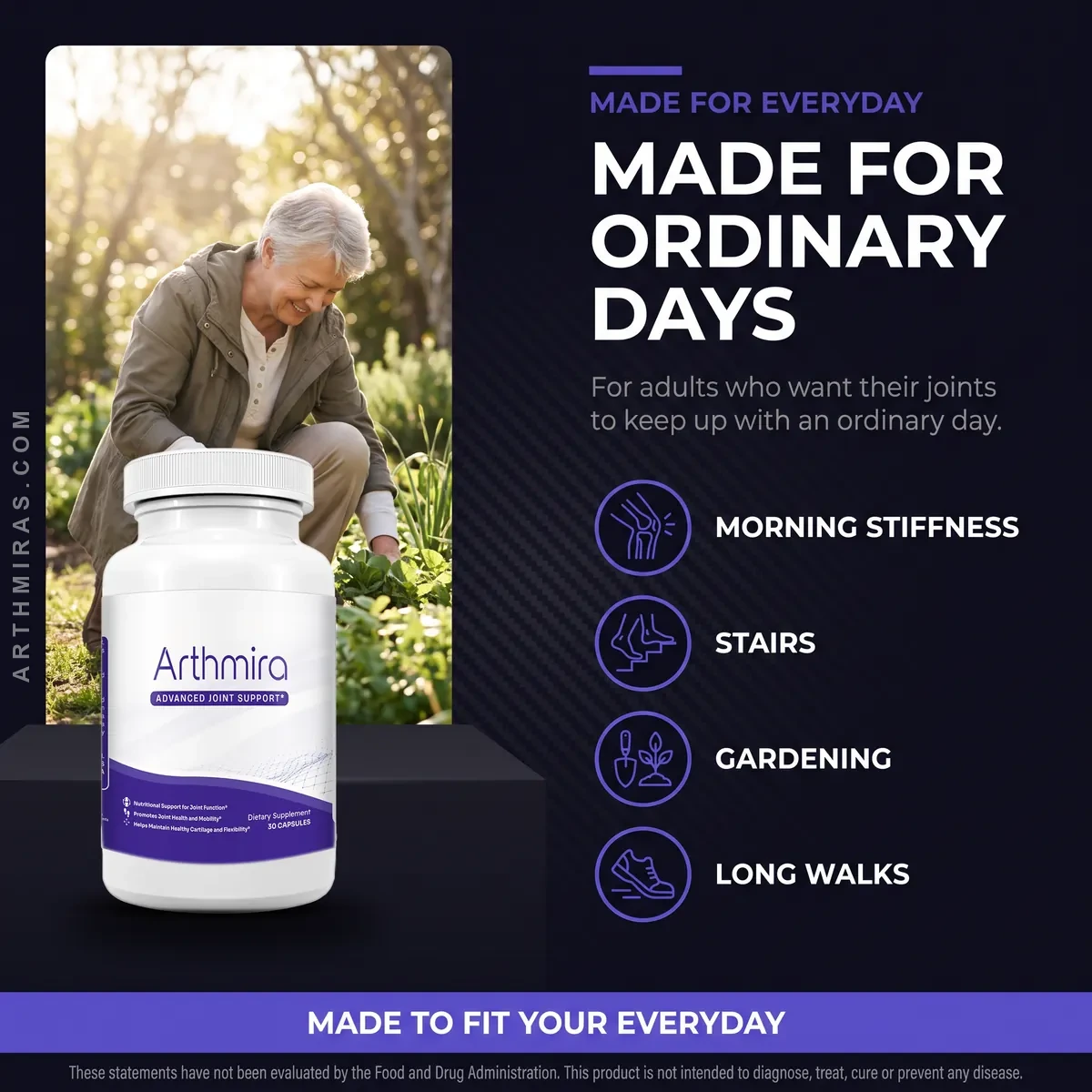
Can you get joint health nutrients from food alone?
For most people, food covers the majority of joint health nutrients, with vitamin D the notable exception that often needs sun or a supplement. A varied, Mediterranean-style plate delivers vitamin C, K2, magnesium and omega-3s without much effort, which is why nutrition guidance keeps pointing back to whole foods rather than pills. The table below maps each nutrient to easy food sources and the general role it plays.
| Nutrient | Everyday food sources | General role for joints & bones |
|---|---|---|
| Vitamin D | Sunlight, oily fish, fortified foods, egg yolk | Supports calcium absorption and normal bone and muscle function. |
| Vitamin C | Citrus, peppers, berries, broccoli, leafy greens | Needed for normal collagen formation in cartilage and connective tissue. |
| Vitamin K2 | Fermented foods, hard cheese, egg yolk, liver | Helps direct calcium into bone, working alongside vitamin D. |
| Omega-3s | Salmon, sardines, mackerel, walnuts, flax | Associated with the body’s normal inflammatory response. |
| Magnesium | Nuts, seeds, beans, whole grains, dark chocolate | Supports normal muscle and bone function. |
| Calcium | Dairy, fortified plant milks, leafy greens, tofu | The primary structural mineral in bone. |
A blood test remains the only reliable way to know whether you personally have a gap. Fat-soluble vitamins like D and K can build up, so more is not automatically better; when in doubt, talk to your doctor before adding anything at a therapeutic dose.
See how ArthMira fits your nutrient routine →
Where does a botanical like ArthMira fit in?
ArthMira is not a multivitamin; it is a once-daily turmeric and curcumin capsule that sits alongside a nutrient-rich diet rather than replacing it. Vitamins supply the building blocks for bone and cartilage, while botanicals such as turmeric are traditionally used to support everyday joint comfort — a different, complementary role. Many people cover vitamin D, C and omega-3 through food, then add a botanical as one optional layer on top.

ArthMira brings the turmeric family together in one capsule: a 4:1 turmeric root extract plus a standardized curcumin extract (95% curcuminoids), with coleus forskohlii and BioPerine® black pepper to help the body take up the curcuminoids. It is a support to a good routine, not a treatment for any disease. To see the exact dose in ArthMira, read our turmeric and curcumin for joint pain guide or the full ingredients section; for the wider habit picture, see the best foods and habits for healthy joints.
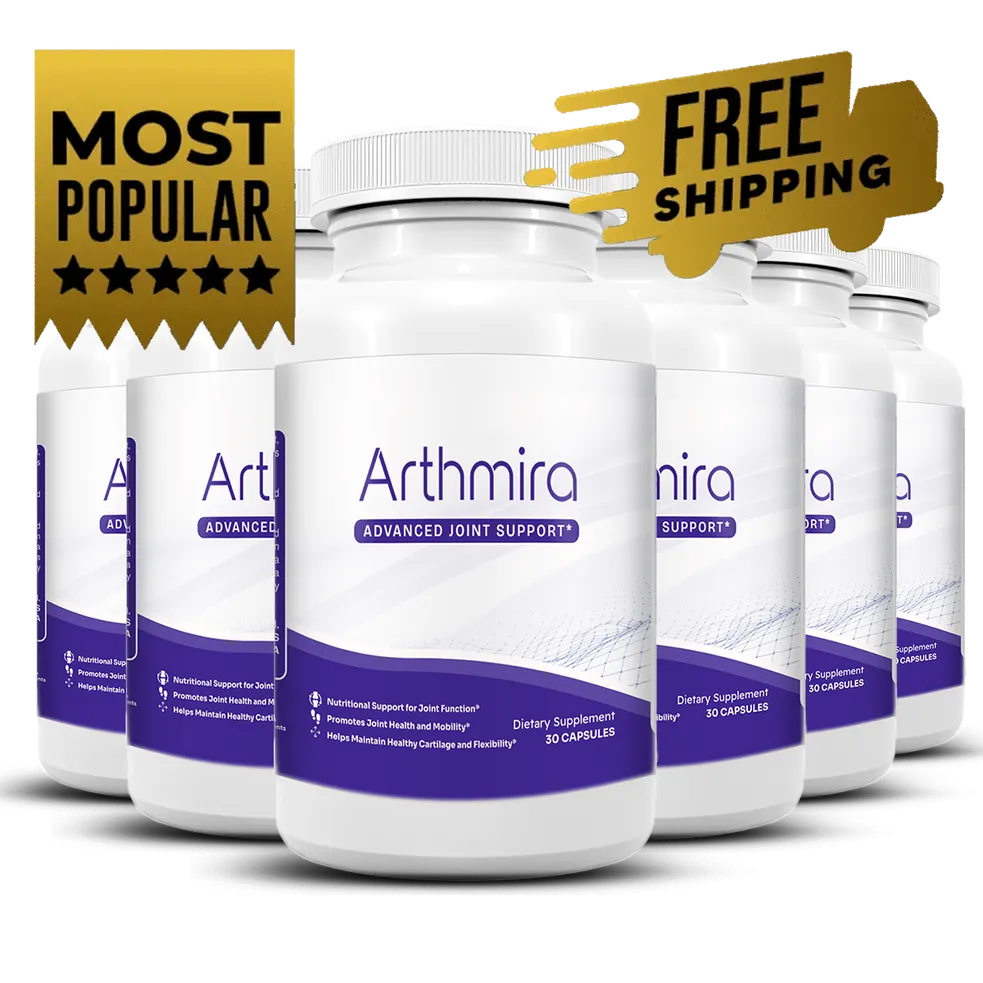
Layer a botanical over your nutrient base
ArthMira is a once-daily capsule pairing standardized turmeric curcumin with BioPerine. The six-bottle bundle is the best value at $49 per bottle, with free U.S. shipping and a 60-day guarantee.
Check today’s ArthMira pricing — from $49/bottleVitamins versus botanicals: how do they compare?
Vitamins and botanicals answer two different questions, so it helps to see them side by side rather than as rivals. Vitamins are essential nutrients your body needs to build and maintain tissue; botanicals are optional plant compounds traditionally used for comfort. This table lays out the contrast at a glance.
| Vitamins & minerals | Botanicals (e.g. turmeric in ArthMira) | |
|---|---|---|
| Main job | Build and maintain bone, cartilage, connective tissue | Support everyday comfort and normal inflammatory response |
| Essential? | Yes — deficiency causes problems | No — optional support |
| Best source | A varied, whole-food diet | Standardized extract, well absorbed |
| Time to act | Weeks to months to correct a gap | Builds gradually over weeks of use |
| Treats disease? | No | No |
Because botanicals build their support gradually, most people choose a multi-month supply to stay consistent — you can compare the packages and pricing on the homepage, or read our full ArthMira review first.
How do you build a joint-friendly day?
A joint-friendly day layers good nutrition onto movement and a healthy weight, because no nutrient works in isolation. Think of vitamins as the foundation, food as the delivery system, and habits as what makes them count. In practice that looks like oily fish or eggs and greens across your meals, sensible sun for vitamin D, a daily low-impact walk, and a consistent sleep routine. If you add a supplement, treat it as the last brick, not the first — and keep expectations realistic, since correcting a vitamin D shortfall or feeling a botanical’s support both take weeks, not days.
When should you talk to a doctor?
Vitamins and botanicals support comfortable everyday joints, but they are not a substitute for medical care. Speak with your doctor before starting a supplement if you are pregnant or nursing, under 18, take medication such as blood thinners, or manage a health condition — and see a professional if joint pain is severe, follows an injury, comes with swelling, redness or warmth, wakes you at night, or does not improve with sensible self-care. A quick check ensures anything you add fits safely with the rest of your care.
Frequently asked questions
What are the best vitamins for joint health?
The nutrients most often linked to joint health are vitamin D and vitamin K2 for bone support, vitamin C for normal collagen formation, and the omega-3 fatty acids from oily fish for the body’s normal inflammatory response. No single vitamin treats a joint; they work best as part of a balanced, nutrient-rich diet.
Can vitamins repair or cure joint damage?
No. Vitamins and nutrients support the normal structure and function of bones, cartilage and connective tissue, but no vitamin or supplement is proven to repair, cure or reverse joint damage. They are a foundation for everyday comfort alongside movement and a healthy weight, not a treatment for any disease.
Do I need a supplement if I eat a healthy diet?
Many people meet most nutrient needs through food, especially with oily fish, colourful produce, leafy greens and sensible sun exposure. Vitamin D is a common exception because it is hard to get from food alone. A blood test and a conversation with your doctor are the reliable way to know whether you need to supplement.
Where does ArthMira fit alongside vitamins for joints?
ArthMira is a once-daily turmeric and curcumin capsule with BioPerine black pepper and coleus forskohlii. It is a botanical complement to a nutrient-rich diet rather than a multivitamin, so many people pair it with foods or a vitamin routine that covers vitamin D, C and omega-3.
Is it safe to combine joint vitamins with turmeric?
For most healthy adults, food-level vitamins and a standardized turmeric capsule are used together without issue. Because curcumin and high-dose vitamins can interact with some medications, check with your doctor first if you take blood thinners, are pregnant or nursing, or manage a health condition.
How long before joint nutrients make a difference?
Correcting a genuine deficiency, such as low vitamin D, can take several weeks to months to reflect in blood levels. Botanicals like turmeric build their support gradually over weeks of consistent daily use, and individual results vary. Nutrition works best as a steady long-term habit, not a quick fix.
See the exact dose in ArthMira — risk-free for 60 days →
ArthMira is a dietary supplement, not a treatment for any medical condition. These statements have not been evaluated by the Food and Drug Administration. This product is not intended to diagnose, treat, cure or prevent any disease. Always consult a qualified healthcare professional about your individual needs.
References & further reading
- National Institutes of Health, Office of Dietary Supplements. Vitamin D — Fact Sheet for Health Professionals. ods.od.nih.gov/factsheets/VitaminD-HealthProfessional
- National Institutes of Health, Office of Dietary Supplements. Vitamin C — Fact Sheet for Health Professionals. ods.od.nih.gov/factsheets/VitaminC-HealthProfessional
- National Institutes of Health, Office of Dietary Supplements. Omega-3 Fatty Acids — Fact Sheet for Health Professionals. ods.od.nih.gov/factsheets/Omega3FattyAcids-HealthProfessional
- National Center for Complementary and Integrative Health (NCCIH). Turmeric. nccih.nih.gov/health/turmeric
- Examine.com. Curcumin — evidence-based summary. examine.com/supplements/curcumin
- Mayo Clinic. Nutrition and healthy eating — vitamins and supplements. mayoclinic.org/healthy-lifestyle/nutrition-and-healthy-eating
These references describe the nutrients and habits in general terms and do not constitute evidence that any product treats, cures or prevents any condition.
Keep reading: how turmeric and curcumin work · how to ease joint pain naturally · the best foods and habits for healthy joints · the ArthMira review.