Arthritis & dietary supplements: the ArthMira guide to what people take

Updated September 2026 · reviewed by the ArthMira Research Team. We are an independent information resource, not a medical provider, and this article is educational rather than medical advice.
Arthritis dietary supplements are food-derived products — botanicals, nutrients and joint-structure compounds — that people take to support everyday joint comfort and mobility alongside movement, a healthy weight and medical care. They are regulated as foods rather than drugs, which means they are meant to complement a care plan, not to treat, cure or prevent arthritis. This guide maps the categories people actually explore, what the authoritative sources say, and where a turmeric-forward formula like ArthMira fits.
Which arthritis supplements do people explore, and what does the evidence actually support?
- Most discussed
- Turmeric and curcumin, omega-3 fatty acids, glucosamine and chondroitin, collagen and boswellia are the categories that come up most for joint comfort.
- Best-supported
- Curcumin and omega-3s have the most consistent research for supporting the body’s normal inflammatory response; glucosamine and chondroitin results are mixed.
- Osteoarthritis vs. inflammatory
- Osteoarthritis is wear-related; inflammatory arthritis is autoimmune and needs medical treatment, so supplements there are only ever a doctor-guided add-on.
- Where ArthMira fits
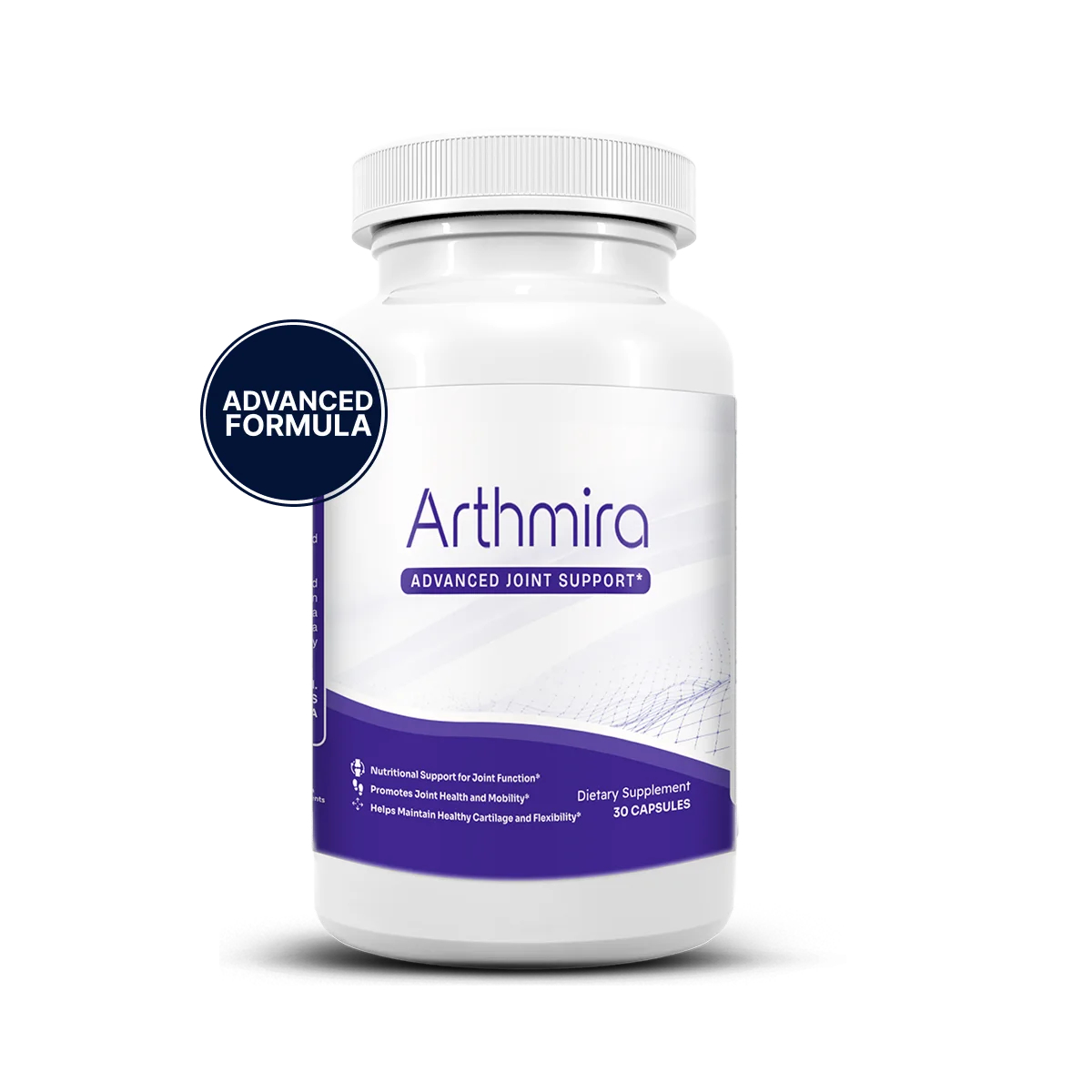
- ArthMira is a once-daily standardized turmeric-curcumin option with BioPerine — a support for the routine, not a treatment for any disease.
If you have searched “supplements good for arthritis,” you have probably found a wall of confident claims and little context. The honest picture is more measured: a few well-studied ingredients, a lot of mixed evidence, and a clear rule that nothing on a supplement shelf treats arthritis. What follows sorts the noise into categories and is upfront about where the science is thin.
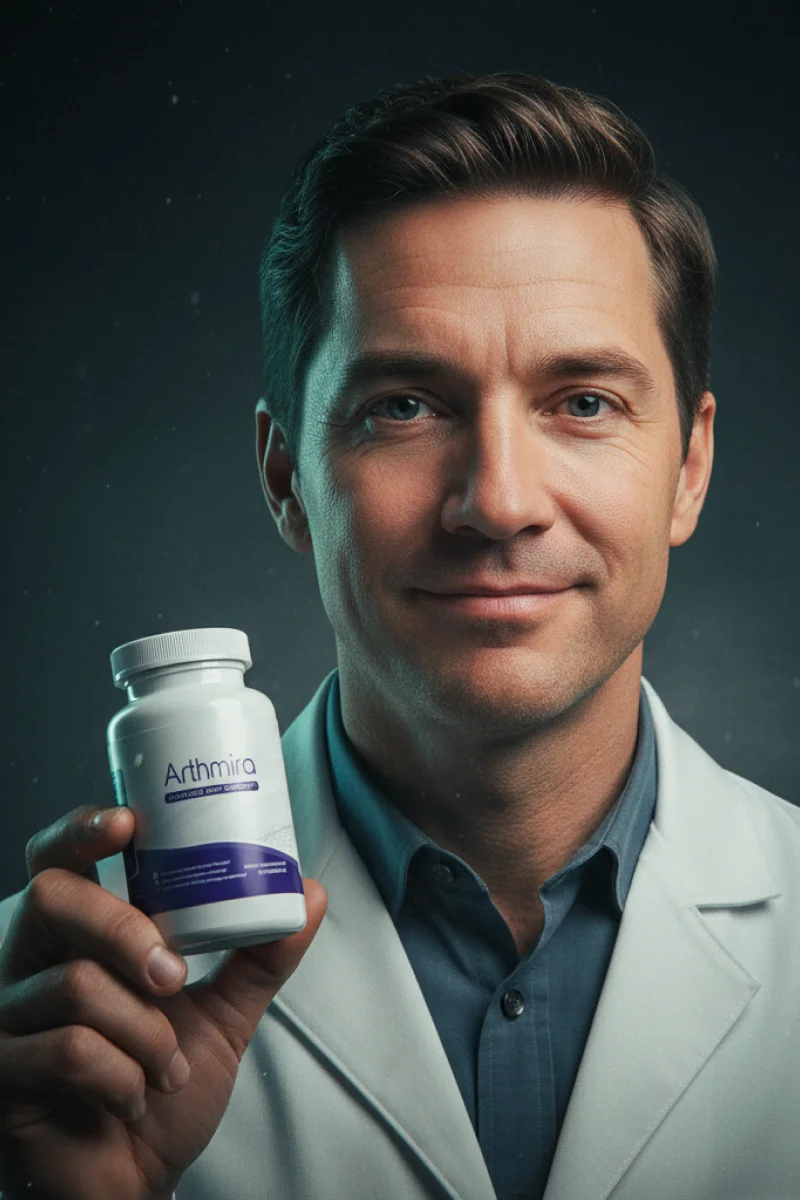
What are arthritis dietary supplements?
Arthritis dietary supplements are non-drug products — capsules, powders or softgels made from botanicals, nutrients or connective-tissue compounds — taken to support joint comfort in people living with arthritis. Because U.S. regulators treat them as foods, a label may say a nutrient “supports joint comfort,” but it cannot say it treats osteoarthritis. Understanding that boundary is the most useful thing to know before you buy anything.
“Arthritis” itself is an umbrella term for more than a hundred conditions. The two that dominate the supplement conversation are osteoarthritis, the wear-and-load form that grows common with age, and inflammatory arthritis such as rheumatoid arthritis, an autoimmune condition. The distinction changes which category makes sense and how large a role a supplement can play.
Why do people with arthritis explore supplements?
People turn to supplements because arthritis is often a long-running discomfort rather than a one-time problem, and they want everyday support they can control. Surveys collected by the National Center for Complementary and Integrative Health consistently show joint conditions among the top reasons adults try complementary approaches. The appeal is understandable: a once-daily capsule is simple and pairs naturally with the movement and diet changes clinicians already recommend.
The important caveat is expectation. Supplements are a support layer, not a foundation. The habits with the most influence on joint comfort — regular low-impact movement, strong supporting muscles and a manageable weight — do the heaviest lifting, a point we cover in our guide to easing joint pain naturally.
Which supplement categories are most discussed for arthritis?
The arthritis supplement landscape narrows to about five categories that come up again and again. Each has a different rationale, and the strength of evidence varies widely.
Turmeric and curcumin
Turmeric and its active curcuminoids are the most studied botanicals in this space. Curcumin is widely researched for its role in the body’s normal inflammatory response, and the NCCIH turmeric overview and the Examine.com curcumin summary both note research on joint comfort, while flagging that curcumin is poorly absorbed on its own — the reason formulas pair it with black pepper (piperine).
Omega-3 fatty acids
Omega-3s from oily fish are the other category with relatively consistent support. The NIH Office of Dietary Supplements describes their role in the body’s inflammatory pathways, and they are core to the Mediterranean eating pattern associated with joint comfort. Many people get them from diet, fish oil, or both.
Glucosamine and chondroitin
These joint-structure compounds are among the best-known osteoarthritis supplements, but the evidence is genuinely mixed. Large independent trials have produced conflicting results, and Mayo Clinic’s review concludes benefit is uncertain and modest at best. Some people feel they help; the data cannot promise they will. This sits alongside our article on coleus forskohlii and forskolin for joints, which comes at the same question from another angle.
Collagen and boswellia
Collagen peptides are marketed for cartilage support and boswellia (Indian frankincense) for the inflammatory response. Both have early, mostly small studies behind them, so they sit in the “plausible, not proven” column — we weigh one up in collagen vs. turmeric for joints.
See the exact dose in ArthMira →
What does the evidence actually say?
The most honest summary is that evidence quality falls on a spectrum, not a pass-fail line. The table below ranks the main categories by how consistent the research is and the realistic role of each — deliberately conservative, because over-promising helps no one.
| Category | Consistency of evidence | Realistic role |
|---|---|---|
| Curcumin (turmeric) | Relatively strong & growing | Supports the body’s normal inflammatory response; best absorbed with piperine. |
| Omega-3s | Relatively consistent | Part of an anti-inflammatory eating pattern linked to joint comfort. |
| Glucosamine / chondroitin | Mixed / conflicting | Popular for osteoarthritis; benefit uncertain and modest at best. |
| Collagen peptides | Early / limited | Marketed for cartilage support; more research needed. |
| Boswellia | Early / limited | Traditional anti-inflammatory botanical; small studies only. |
Notice that no row says “treats” or “cures.” That reflects the actual state of the literature: a supplement can be a reasonable part of a routine while still not being a medicine.
Are supplements for inflammatory arthritis different?
Supplements for inflammatory arthritis are only ever an add-on to medical treatment, never a substitute for it. Inflammatory arthritis such as rheumatoid arthritis is an autoimmune disease that can damage joints if it is not managed with the medicines a rheumatologist prescribes. Anti-inflammatory nutrients like omega-3s are sometimes discussed as a complement there, but the decision belongs with the treating doctor. Osteoarthritis, by contrast, is wear-related, so the conversation centers on comfort, cushioning nutrients and botanicals — a lower-stakes context where a well-chosen supplement can fit a daily routine.
Where does ArthMira fit among arthritis supplements?
ArthMira is the turmeric-forward option in this landscape: a once-daily capsule that focuses on the best-studied botanical category rather than covering everything at once. It brings the turmeric family together as a 4:1 turmeric root extract plus a standardized curcumin extract (95% curcuminoids), with coleus forskohlii and BioPerine® black pepper to help the body take up curcuminoids that turmeric is otherwise poor at absorbing.
That focus is deliberate: rather than a scattershot blend, ArthMira concentrates on the ingredient with the most research behind it and solves its main weakness — absorption — with piperine. Our explainer on turmeric and curcumin for joint pain covers how the actives work, and the ingredients section lists the exact amounts.
The simple daily supplement step
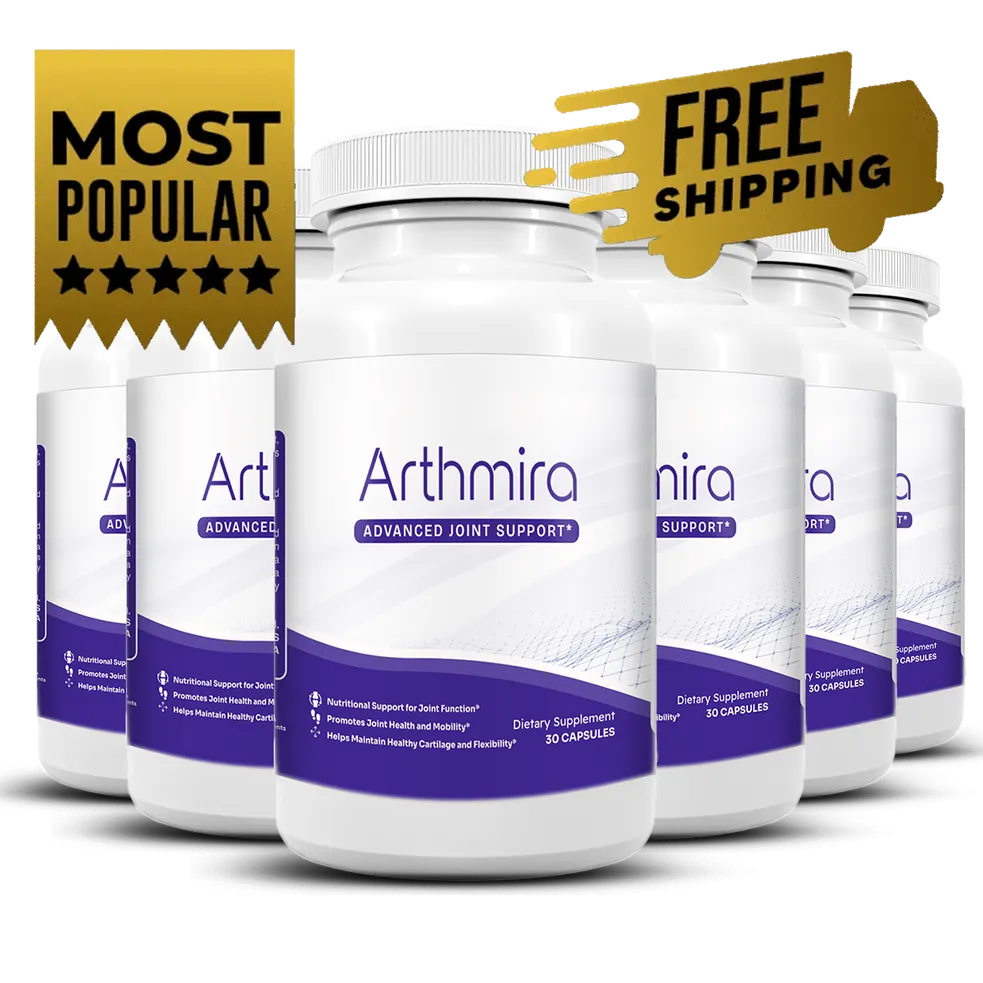
ArthMira is a once-daily capsule pairing standardized turmeric curcumin with BioPerine. The six-bottle bundle is the best value at $49 per bottle, with free U.S. shipping and a 60-day guarantee.
Check today’s ArthMira pricing — from $49/bottleHow do you choose a dietary supplement for osteoarthritis safely?
Choosing an arthritis supplement safely comes down to quality, transparency and fit with your medications. The checklist below is worth applying before any purchase.
| What to check | Why it matters |
|---|---|
| Standardized, named extracts | “95% curcuminoids” tells you the active level; a vague “turmeric blend” does not. |
| An absorption aid | Curcumin absorbs poorly alone; BioPerine or a similar piperine helps uptake. |
| GMP-certified, made in a regulated facility | Signals consistent manufacturing and dose accuracy. |
| Realistic, non-disease claims | Honest labels say “supports comfort,” not “treats arthritis.” |
| Medication check | Turmeric and omega-3s can interact with blood thinners — ask a pharmacist. |
| A guarantee | A money-back window lets you try it without a large upfront risk. |
Because botanicals build support gradually over weeks rather than days, most people choose a multi-month supply so they do not run out mid-routine — compare the packages and pricing or read our full ArthMira review first.
When should you talk to a doctor?
A supplement decision should always sit inside medical care, not outside it. Speak with your doctor before starting any arthritis supplement if you take medication such as blood thinners, are pregnant or nursing, are under 18, or have an inflammatory or autoimmune form of arthritis. See a professional promptly if joint pain is severe, follows an injury, comes with swelling, redness or warmth, wakes you at night, or does not improve with self-care.
Frequently asked questions
What are arthritis dietary supplements?
Arthritis dietary supplements are food-derived products — botanicals, nutrients or joint-structure compounds — that people take to support everyday joint comfort and mobility. They are regulated as foods, not drugs, so they are meant to complement movement, weight management and medical care, not to treat, cure or prevent arthritis.
Which supplements are most studied for osteoarthritis?
The most discussed categories are turmeric and curcumin, omega-3 fatty acids, glucosamine and chondroitin, collagen, and boswellia. Evidence is strongest and most consistent for curcumin and omega-3s in supporting the body’s normal inflammatory response, while glucosamine and chondroitin show mixed results across large trials.
Are supplements for inflammatory arthritis the same as for osteoarthritis?
Not entirely. Inflammatory arthritis such as rheumatoid arthritis is an autoimmune condition that requires medical treatment, so supplements are only ever an add-on discussed with a rheumatologist. Osteoarthritis is wear-related, and the supplement conversation there centers more on comfort, cushioning nutrients and anti-inflammatory botanicals.
What is a good dietary supplement for osteoarthritis to start with?
Many people begin with a standardized turmeric-curcumin formula because it is well studied and easy to take once daily. ArthMira is one such option, pairing a 4:1 turmeric extract and 95% curcuminoids with BioPerine black pepper for absorption. It supports a routine rather than replacing diet, exercise or a doctor’s plan.
How long before an arthritis supplement might help?
Botanicals such as curcumin build support gradually, so most studies and users look at a window of several weeks to a few months rather than days. Because of that timeline, people often choose a multi-month supply, and individual results vary.
Are arthritis dietary supplements safe to combine with medication?
Some are not. Turmeric, omega-3s and other botanicals can interact with blood thinners and other medicines, and quality varies between brands. Always check with a pharmacist or doctor before combining a supplement with prescription medication, and choose products made in a GMP-certified facility.
Try ArthMira risk-free for 60 days →
ArthMira is a dietary supplement, not a treatment for any medical condition. These statements have not been evaluated by the Food and Drug Administration. This product is not intended to diagnose, treat, cure or prevent any disease. Always consult a qualified healthcare professional about your individual needs.
References & further reading
- National Center for Complementary and Integrative Health (NCCIH). Osteoarthritis and Complementary Health Approaches. nccih.nih.gov/health/osteoarthritis-in-depth
- National Center for Complementary and Integrative Health (NCCIH). Turmeric. nccih.nih.gov/health/turmeric
- Examine.com. Curcumin — evidence-based summary. examine.com/supplements/curcumin
- Mayo Clinic. Glucosamine — drugs & supplements. mayoclinic.org/drugs-supplements-glucosamine
- National Institutes of Health, Office of Dietary Supplements. Omega-3 Fatty Acids — Fact Sheet. ods.od.nih.gov/factsheets/Omega3FattyAcids-HealthProfessional
- Liu X, Machado GC, Eyles JP, et al. Dietary supplements for treating osteoarthritis: a systematic review and meta-analysis. British Journal of Sports Medicine, 2018. Liu et al., Br J Sports Med 2018 — PubMed 29018060
These references describe the ingredients and habits in general terms and do not constitute evidence that any product treats, cures or prevents any condition.
Keep reading: how turmeric and curcumin work · collagen vs. turmeric for joints · back to the ArthMira blog · homepage.