How to soothe aching joints naturally with ArthMira

Updated September 2026 · reviewed by the ArthMira Research Team. We are an independent information resource, not a medical provider, and this article is educational rather than medical advice.
To soothe aching joints naturally means using warmth, a sensible balance of rest and movement, and an anti-inflammatory way of eating to calm the everyday aches of ordinary wear — and, if you choose, adding a well-studied botanical such as turmeric as a simple daily habit. It is about gentle consistency rather than quick fixes, and it works alongside, not instead of, the guidance of your doctor.
How to soothe aching joints naturally, in one place.
- Fastest relief
- Gentle warmth — a warm shower, a bath or a heat pack — relaxes the muscles around a stiff joint and helps it move more freely.
- Rest vs. movement
- Balance them: brief rest after a flare, then gentle low-impact movement, because complete stillness tends to make everyday joints stiffer.
- Food that helps
- A colourful, anti-inflammatory plate — oily fish, vegetables, olive oil, nuts and spices such as turmeric and ginger.
- Where supplements fit
- Botanicals like turmeric, curcumin and coleus forskohlii can support the routine, but they are not a treatment for any disease.
- Timeframe
- Warmth and a short walk help the same day; diet, strength and weight changes build over weeks to months, and results vary.
Aching joints are one of the most ordinary parts of being human. A knee that grumbles on the stairs, fingers that feel thick first thing in the morning, a hip that stiffens after a long sit — these are the small frictions of everyday wear, not a sign that something dramatic is wrong. The good news is that the levers with the most influence over daily comfort are simple ones you already control. This how-to guide walks through them in order, and shows where a turmeric formula like ArthMira fits as one easy step.

What does it mean to soothe aching joints naturally?
Soothing aching joints naturally means easing everyday stiffness and soreness through warmth, movement, recovery and nutrition rather than reaching first for anything stronger than your own habits. It is not a cure and it does not claim to be; it is a set of small, repeatable choices that keep ordinary aches gentler and mobility steadier. Two ideas anchor the whole guide: comfort comes from consistency, not intensity, and these habits stack — warmth, movement and diet each help a little, and together they add up.
Why do ordinary joints start to ache?
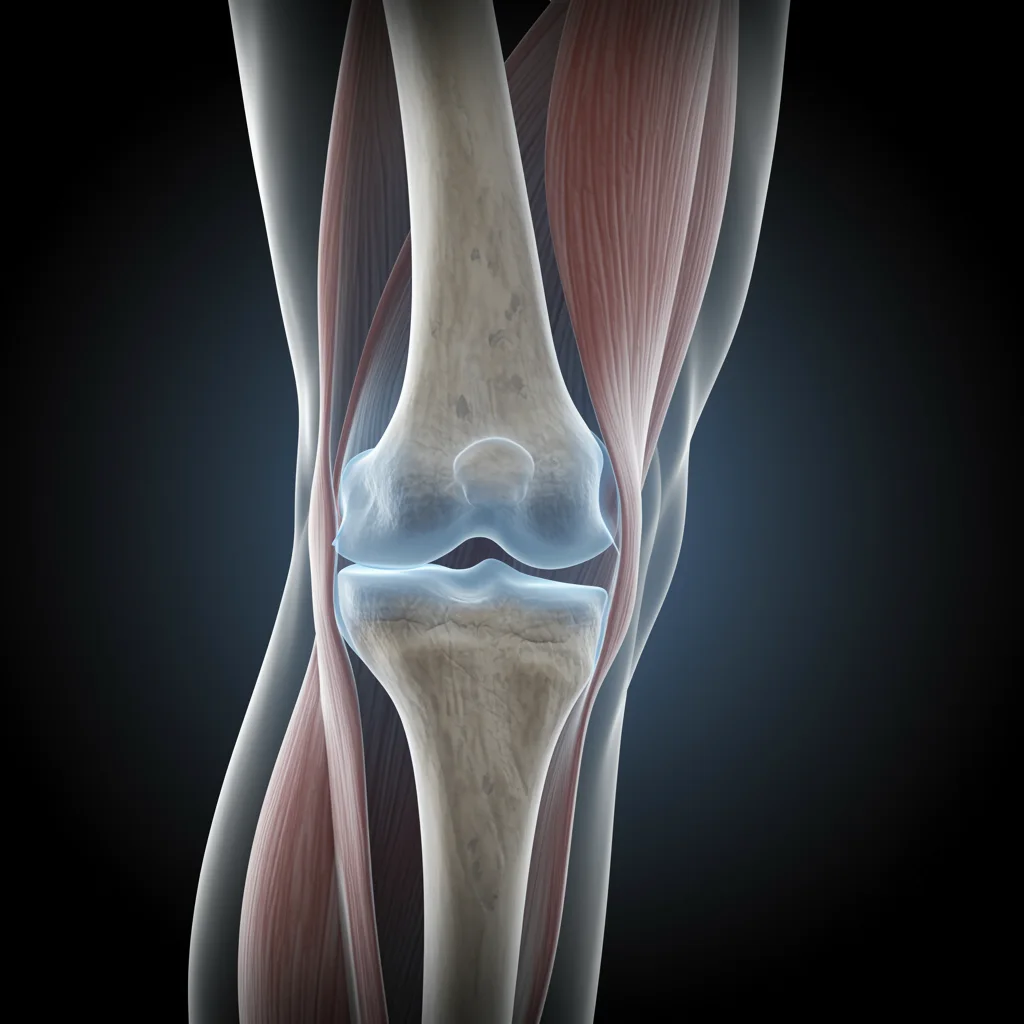
A joint is simply where two bones meet, cushioned by cartilage and bathed in synovial fluid so the surfaces glide smoothly. Years of ordinary use, repetitive movement, an old injury and extra load can leave that cushioning less supple, which is why joints feel tight after rest and loosen once you get moving. A sedentary day, short sleep and an inflammatory diet all turn up the volume on those sensations. The encouraging part is that nearly every one of those factors — how much you move, how you eat, how you sleep, how you warm up — is something you can nudge in a kinder direction starting today.
How does warmth help ease sore joints?
Gentle heat is often the quickest way to soothe an aching joint because it relaxes the surrounding muscles, encourages blood flow and makes stiff tissue easier to move. A warm shower or bath in the morning, a heat pack over a tight knee, or simply wrapping up warm on a cold day can take the edge off within minutes. Warmth suits the dull, everyday stiffness of ordinary wear; a fresh injury or a joint that is visibly swollen is the more usual moment for cold instead. Many people settle into a natural rhythm: heat to loosen up and get going, and cold reserved for the occasional puffy or recently strained joint. Contrast bathing — alternating warm and cool — suits some people too, though for the ordinary morning stiffness this guide is about, plain warmth is usually the gentlest and most reliable starting point.

Which everyday habits soothe aching joints best?
The everyday habits that soothe aching joints best are the unglamorous ones you repeat without thinking: moving a little often, keeping the supporting muscles strong, easing excess load, eating well and sleeping enough. None of them is dramatic on its own, and that is exactly the point — comfort is built from a handful of small habits layered together and kept up over time. The five below are ordered roughly by how much they tend to influence how a joint feels day to day.
1. Balance rest with gentle movement
The single most useful habit for sore joints is to keep moving gently rather than shutting down completely. A little rest after a flare is sensible, but long stretches of stillness leave everyday joints stiffer, not happier. Motion is lotion, as physiotherapists say: gentle, regular movement circulates the fluid that lubricates a joint and keeps the muscles around it strong. Low-impact choices — walking, cycling, swimming, water aerobics — give you that benefit without the pounding. Aim for a little most days rather than an occasional heroic session that leaves you sore.
2. Strengthen the muscles that support the joint
Strong muscles work like built-in shock absorbers, carrying load that would otherwise fall on the joint itself. Two or three short sessions a week of simple resistance work — chair squats, wall sits, gentle band work, calf raises — can make ordinary movement noticeably more comfortable within a few weeks. Focus on the muscles around your sorest joints: quads and glutes for knees and hips, gentle grip and wrist work for aching hands. The practical detail lives in our piece on how to reduce joint inflammation naturally.
3. Ease the load with a comfortable weight
Because the knees carry several times your body weight with every step, even a small, steady reduction in load can meaningfully lower the force passing through them over a day of walking — one of the highest-return natural steps for lower-body comfort. There is no need for a dramatic transformation; a gentle, sustainable direction is what matters, and it pairs neatly with the low-impact movement above.

4. Eat an anti-inflammatory pattern
No single food soothes a joint, but the overall pattern of your plate genuinely matters. A Mediterranean-style way of eating — oily fish, colourful produce, olive oil, nuts, beans and whole grains — is associated with a calmer inflammatory profile, while ultra-processed food, excess sugar and fried food tend to push the other way. Turmeric and ginger have long traditions in the kitchen here too, which is part of why the turmeric family shows up so often in joint-comfort formulas.
5. Protect your sleep
Sleep is when tissues recover, and short nights leave you more sensitive to discomfort the next day. Seven to nine hours of reasonably regular sleep, plus a little wind-down to manage stress, supports everyday joint comfort in a way no supplement can replace — a quiet foundation under everything else in this guide.
See the exact dose in ArthMira →
Where do supplements for aching joints fit?
Supplements for aching joints support the habits above; they are not a substitute for them, and never a treatment for any condition. That said, a small handful of botanicals have been part of the joint-comfort conversation for a very long time, and several of them sit inside ArthMira. The table below is a plain-language summary of why each is discussed, described in traditional and general terms rather than as any medical claim.
| Botanical / nutrient | Why it is discussed | Traditional / general role |
|---|---|---|
| Turmeric | Ayurvedic root | Used for centuries in joint wellness; the source of curcuminoids, its signature actives. |
| Curcumin | Standardized extract | Widely studied for its role in the body’s normal inflammatory response and everyday joint comfort. |
| Black pepper (piperine) | Absorption aid | Traditionally paired with turmeric; BioPerine is included to help the body take up curcuminoids. |
| Coleus forskohlii | Ayurvedic herb | A traditional botanical and the natural source of forskolin, used in wellness formulas. |
| Omega-3s | From oily fish | Part of an anti-inflammatory eating pattern associated with joint comfort. |
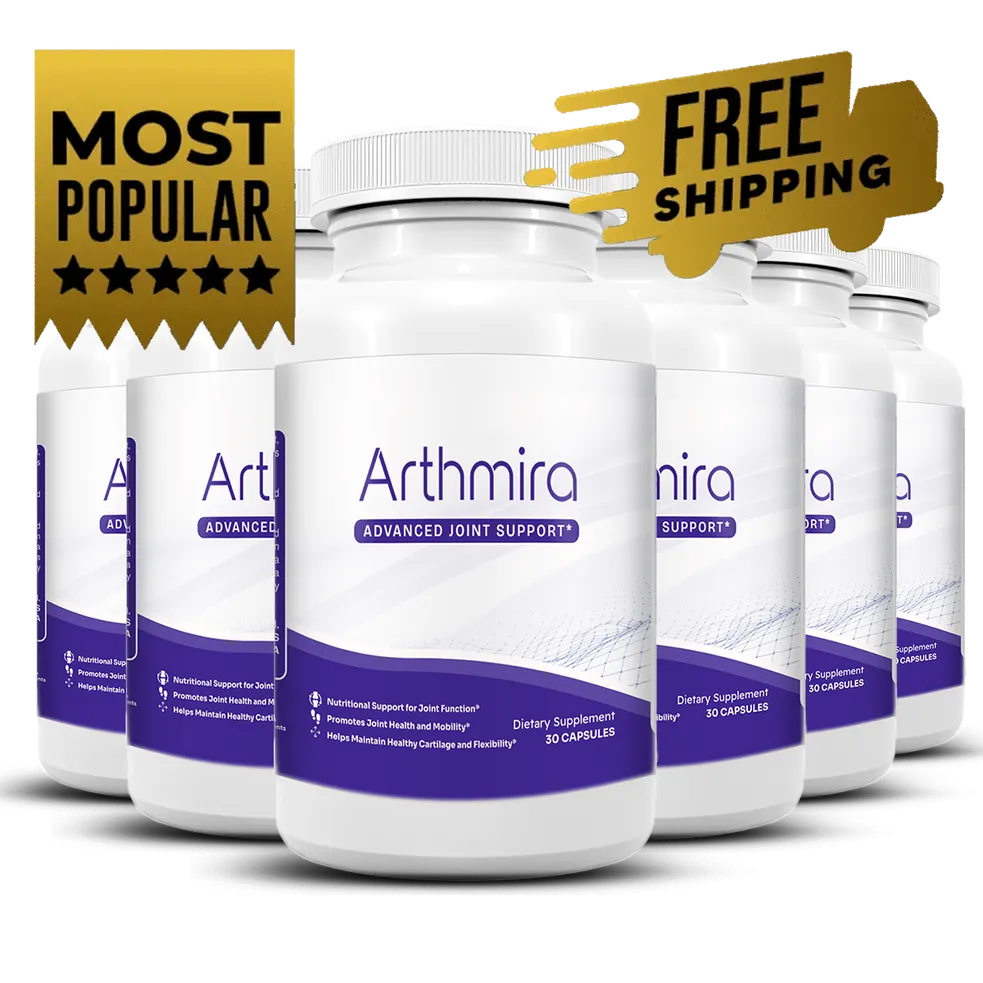
ArthMira brings the turmeric family together in one place: a 4:1 turmeric root extract plus a standardized curcumin extract (95% curcuminoids), with coleus forskohlii and BioPerine® black pepper for absorption, taken as a single daily capsule. The idea is to make the supplement step effortless so it slots into the warmth, movement and diet habits above instead of competing with them. For the detail, read our full ArthMira review, our guide to turmeric and curcumin for joint pain, or the ingredients section on the homepage.
Make it one easy daily habit
ArthMira is a once-daily capsule pairing standardized turmeric curcumin with BioPerine black pepper. The six-bottle bundle is the best value at $49 per bottle, with free U.S. shipping and a 60-day money-back guarantee.
Check today’s ArthMira pricing — from $49/bottleWhich soothing methods work fastest?
A “fast” method is one you can feel within a day; a “slow” one reshapes your baseline comfort over weeks. This table sorts the core approaches in this guide by how quickly they tend to help and the everyday effort they ask, so you can start with the quick wins and layer the slower habits on top.
| Method | Typical time to notice | Everyday effort |
|---|---|---|
| Warmth (shower, bath, heat pack) | Minutes to same day | Low |
| Morning warm-up / gentle mobility | Same day | Low |
| Daily low-impact walk | Days | Low |
| Anti-inflammatory eating pattern | Days to weeks | Medium |
| Strength work around the joint | Weeks | Medium |
| Easing load toward a comfortable weight | Weeks to months | Higher |
Botanicals build their support gradually rather than overnight, so most people choose a multi-month supply to give the routine a fair, uninterrupted run — you can compare the packages and pricing on the homepage, or see how the pieces come together in our wider guide to easing joint pain naturally.
When should aching joints be checked by a doctor?
Natural, soothing habits support comfortable everyday joints, but they are not a replacement for medical care. Speak with your doctor if joint pain is severe, follows an injury, comes with swelling, redness or warmth, wakes you at night, or simply does not improve with sensible self-care — and before starting any supplement if you are pregnant or nursing, under 18, or take medication such as blood thinners. A quick professional check makes sure that anything you add sits safely alongside the rest of your care. None of the habits in this guide is a substitute for that conversation; they are the ordinary, low-risk foundations that most people can lean on between check-ups to keep everyday joints moving comfortably.
Frequently asked questions
How can I soothe aching joints naturally at home?
Start with warmth, a gentle balance of rest and movement, and an anti-inflammatory plate. A warm shower or heat pack loosens a stiff joint, short low-impact walks keep it lubricated, and colourful whole foods support a calmer inflammatory profile. A daily botanical such as turmeric can sit alongside these habits, and none of it replaces medical care.
Does heat or cold work better for sore joints?
For the everyday stiffness of ordinary wear, gentle heat usually feels best because it relaxes muscles and helps a joint move. Cold is more often chosen for a fresh injury or visible swelling. Many people use warmth in the morning to loosen up and cold only when a joint is puffy or recently strained.
Should I rest or move an aching joint?
Usually both, in balance. Brief rest after a flare is sensible, but complete inactivity tends to make everyday joints stiffer, while gentle regular movement keeps them lubricated and the supporting muscles strong. Sharp, worsening or injury-related pain is a reason to rest and see a professional.
What are the best supplements for aching joints?
The most discussed botanicals for everyday joint comfort are turmeric and its curcuminoids, often paired with black pepper for absorption, alongside coleus forskohlii. They are a support to movement and diet rather than a treatment for any condition, and results build gradually and vary between people.
How long does it take to ease sore joints?
Warmth and a short walk can loosen a stiff joint the same day, while diet, strength and weight changes usually show over several weeks to a few months. Botanicals build their support gradually, so most people give a routine a fair, consistent run before judging it.
When should aching joints be checked by a doctor?
See a professional if joint pain is severe, follows an injury, comes with swelling, redness or warmth, wakes you at night, or does not improve with sensible self-care. A quick check makes sure anything you add, including a supplement, fits safely with your care.
Try ArthMira risk-free for 60 days →
ArthMira is a dietary supplement, not a treatment for any medical condition. These statements have not been evaluated by the Food and Drug Administration. This product is not intended to diagnose, treat, cure or prevent any disease. Always consult a qualified healthcare professional about your individual needs.
References & further reading
- National Center for Complementary and Integrative Health (NCCIH). Osteoarthritis and Complementary Health Approaches. nccih.nih.gov/health/osteoarthritis-in-depth
- National Center for Complementary and Integrative Health (NCCIH). Turmeric. nccih.nih.gov/health/turmeric
- Mayo Clinic. Arthritis pain: Do’s and don’ts — heat, cold and activity. mayoclinic.org/diseases-conditions/arthritis
- Examine.com. Curcumin — evidence-based summary. examine.com/supplements/curcumin
- Lawford BJ, Hall M, Hinman RS, et al. Exercise for osteoarthritis of the knee. Cochrane Database of Systematic Reviews, 2024. Lawford et al., Cochrane Database Syst Rev 2024 — PubMed 39625083
- National Institutes of Health, Office of Dietary Supplements. Omega-3 Fatty Acids — Fact Sheet. ods.od.nih.gov/factsheets/Omega3FattyAcids-HealthProfessional
These references describe the ingredients and habits in general terms and do not constitute evidence that any product treats, cures or prevents any condition.
Keep reading: how to ease joint pain naturally · the best foods and habits for healthy joints · how turmeric and curcumin work · back to the ArthMira blog · homepage.