Fish oil supplements for joint pain vs curcumin: the ArthMira guide

Updated September 2026 · reviewed by the ArthMira Research Team. We are an independent information resource, not a medical provider, and this article is educational rather than medical advice.
Fish oil supplements for joint pain and turmeric curcumin are the two most-discussed natural options for everyday joint comfort, and each works through a different path in the body's normal inflammatory response. Fish oil supplies the omega-3 fatty acids EPA and DHA; curcumin is the standardized active drawn from turmeric root. Neither treats any disease, and this guide compares them honestly so you can see where a curcumin-forward formula like ArthMira fits.
Omega-3 fish oil vs turmeric curcumin, at a glance.
- The honest verdict
- Both support the body's normal inflammatory response; neither is a treatment for joint disease. Curcumin research skews toward joint comfort, fish oil toward whole-body inflammation.
- Fish oil is for
- People who eat little oily fish and want the EPA and DHA omega-3s that underpin an anti-inflammatory eating pattern.
- Curcumin is for
- People who want a concentrated, standardized botanical (95% curcuminoids) targeted at everyday joint comfort in one small capsule.
- Can you use both?
- Yes — they act differently and are commonly paired. Check with a doctor first if you take blood thinners.
- Where ArthMira sits
- ArthMira concentrates on standardized curcuminoids with BioPerine® black pepper, and pairs well with a fish-rich diet.
If you have stood in a supplement aisle holding fish oil in one hand and turmeric in the other, this guide is for you — and below we explain why ArthMira builds its formula around the turmeric family.
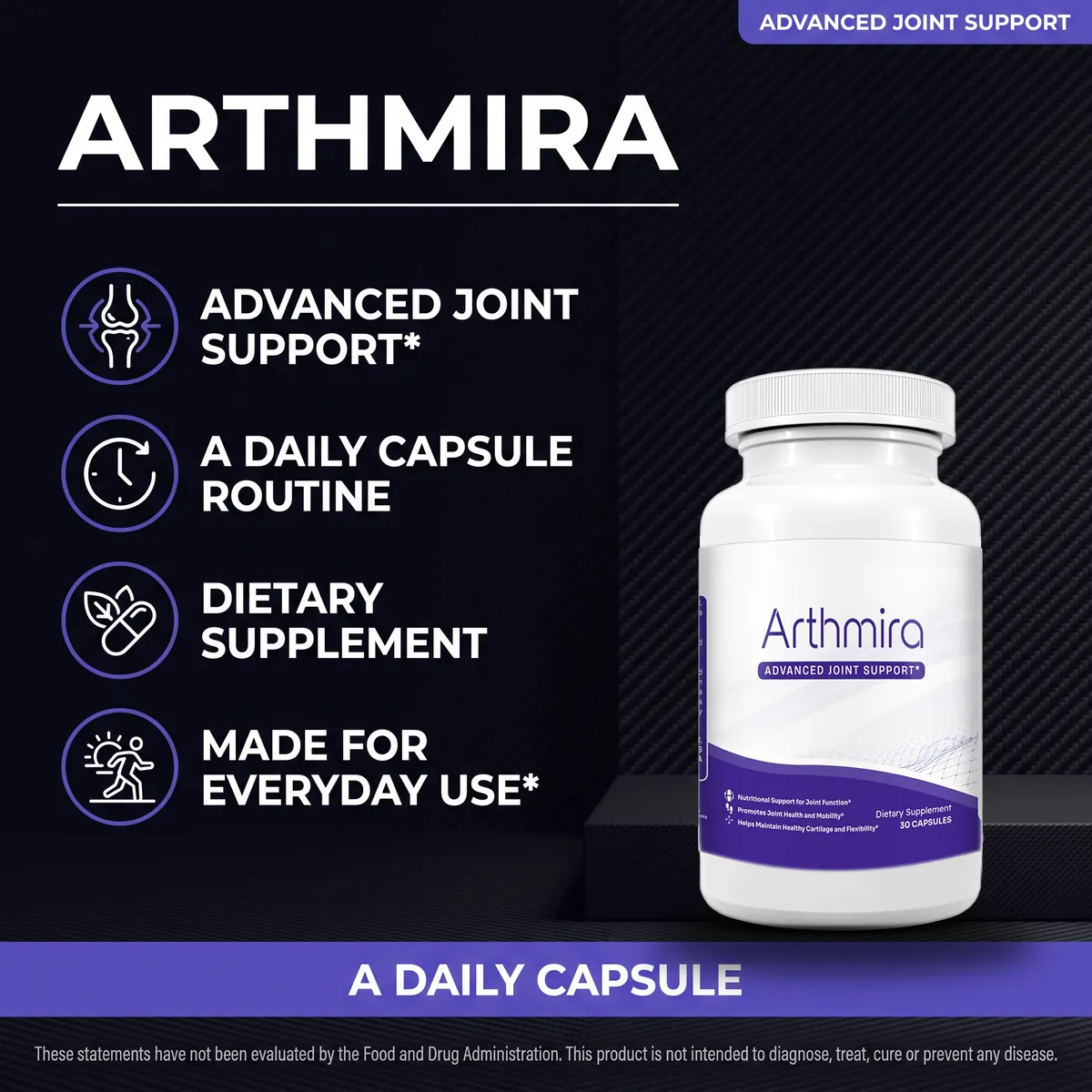
What is the difference between fish oil and curcumin for joints?
The difference between fish oil and curcumin is their source and the pathway each supports: fish oil delivers omega-3 fatty acids the body converts into inflammation-resolving molecules, while curcumin is a plant polyphenol that interacts with the signalling steps of the body's normal inflammatory response. Fish oil is a fat; curcumin is a botanical extract. That distinction explains almost every practical difference between them — and it means they are not really rivals but complementary.
How does omega-3 fish oil work for joint comfort?
Omega-3 fish oil works by supplying EPA and DHA, two long-chain fatty acids the body uses to make specialized molecules that help resolve its normal inflammatory response. It shifts the fatty-acid balance of your tissues over weeks, so it is a background, whole-body support rather than a fast-acting remedy.
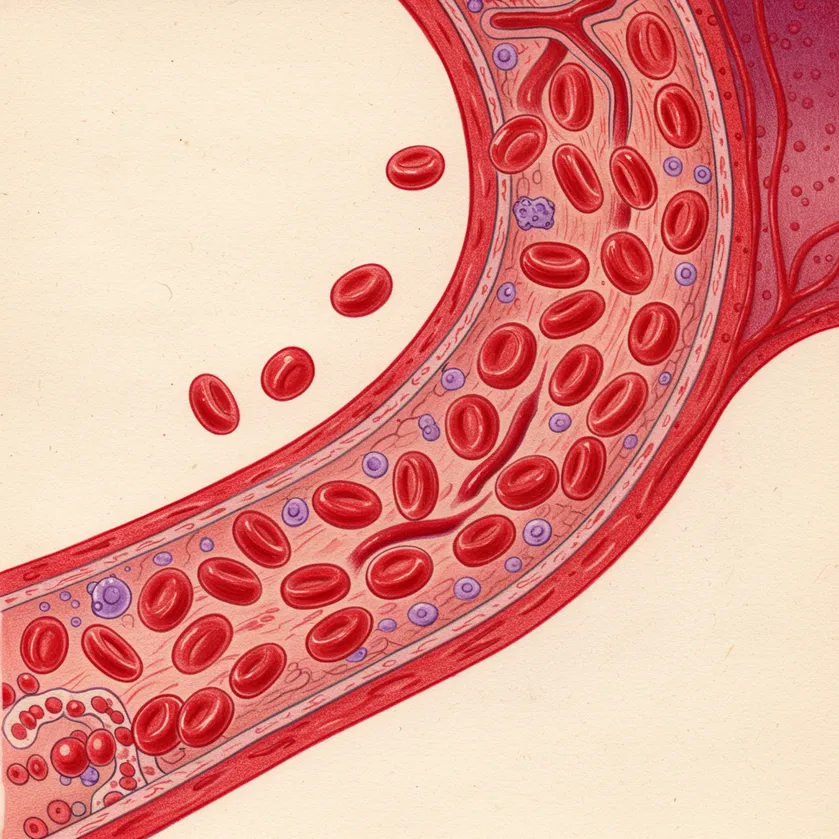
What does the evidence say about omega 3 for joints?
The evidence for omega 3 for joints is broad but modest: national health bodies note omega-3s are part of an anti-inflammatory eating pattern and may support comfort as an adjunct rather than a cure. The strongest, most consistent fish-oil research actually sits in heart and general wellness, not joints specifically — an honest limitation.
How much fish oil is typically discussed?
Most guidance frames fish oil in grams of combined EPA and DHA rather than "one capsule," so meaningful amounts usually mean large or multiple soft-gels a day. A useful omega-3 dose is bulky and best obtained partly from food: two servings of oily fish a week — salmon, sardines, mackerel — cover much of the need.
How does turmeric curcumin work for joints?
Turmeric curcumin works as a concentrated plant polyphenol that interacts with the signalling molecules of the body's normal inflammatory response, which is why it has been studied more specifically for everyday joint comfort than fish oil has. Turmeric is the root; curcumin and its curcuminoids are the standardized active drawn from it, and in research on "turmeric for joints," it is almost always the curcuminoids at work.
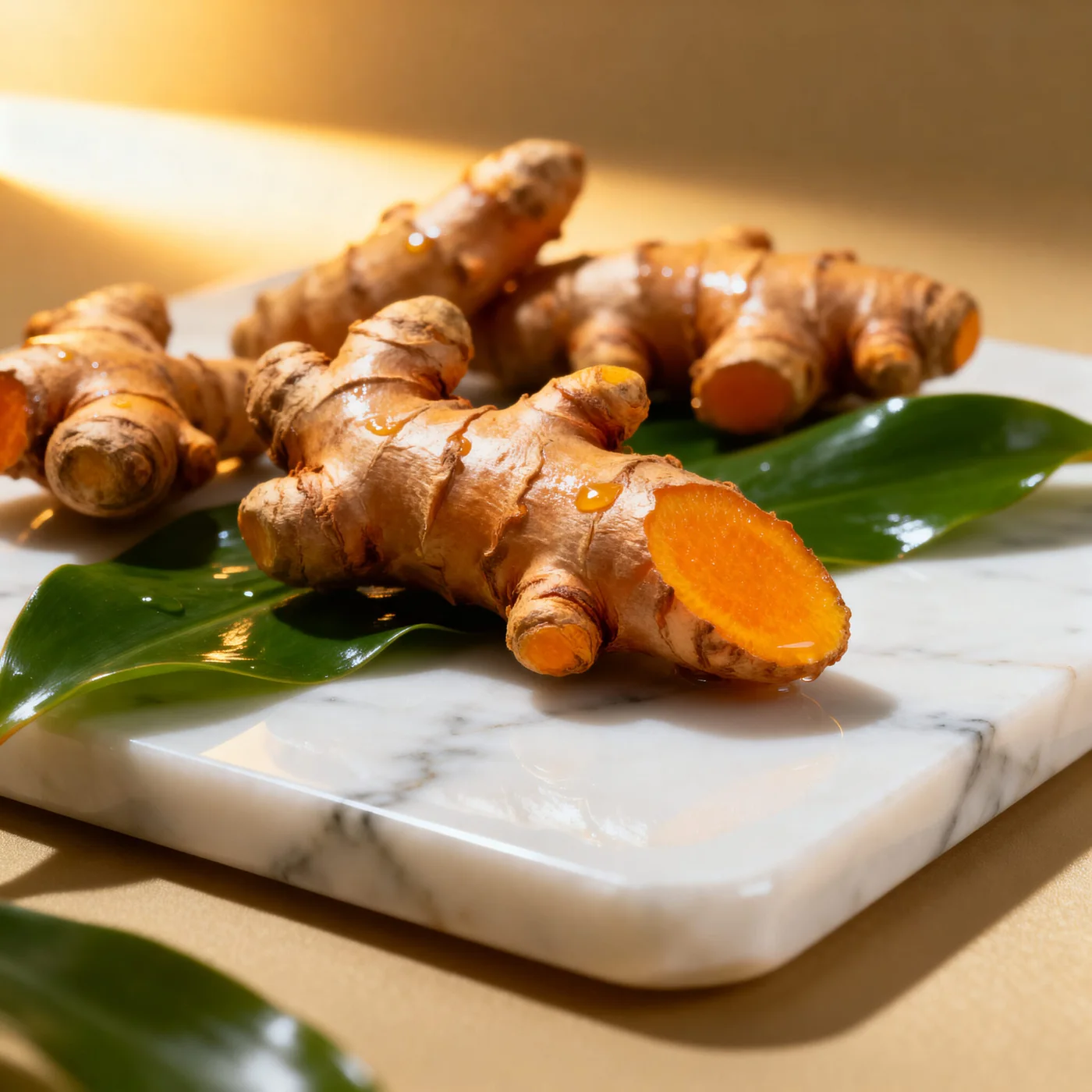
Why do 95% curcuminoids and BioPerine matter?
Raw turmeric powder is only a few percent curcuminoids, so a standardized extract at 95% curcuminoids delivers many times the active compound in a fraction of the volume. Curcumin's one real weakness is absorption — which is why turmeric is traditionally paired with black pepper, and why ArthMira includes BioPerine® black pepper extract to help the body take up curcuminoids. For more, read our explainers on 95% curcuminoids and BioPerine and absorption.
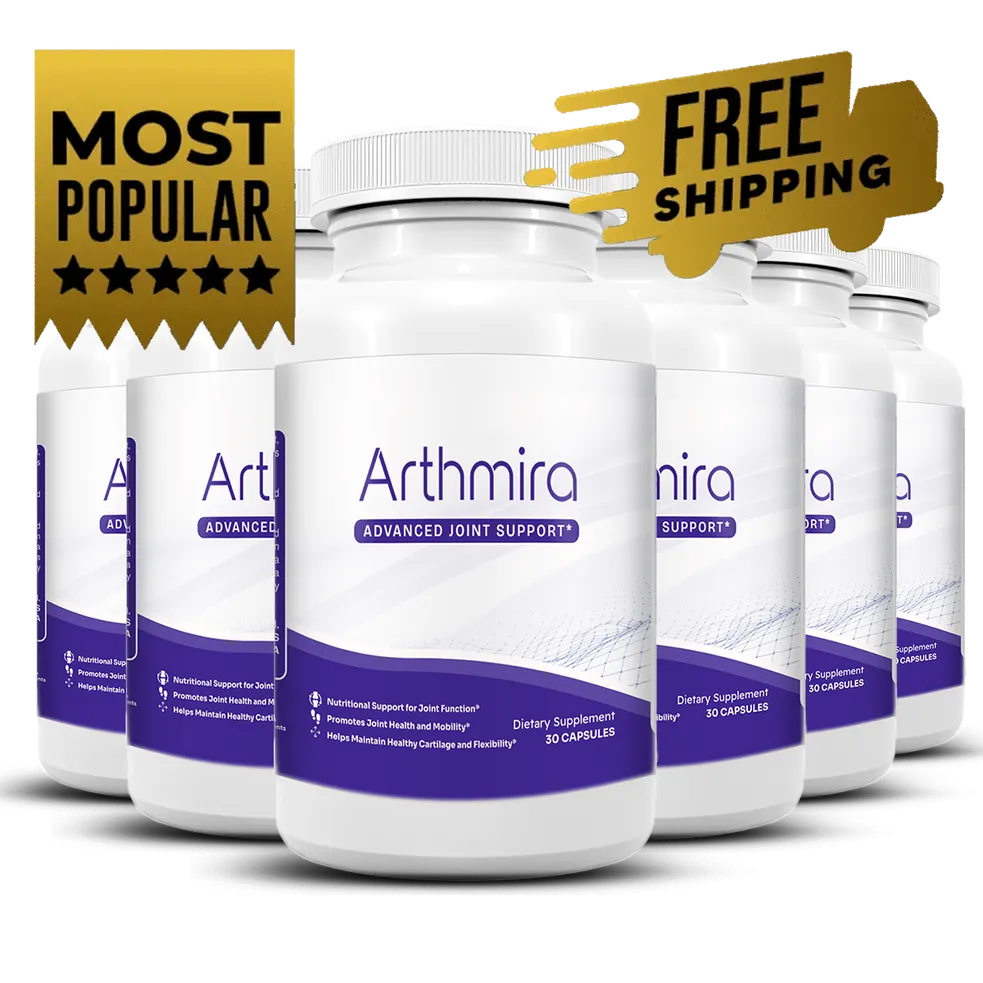
See the exact dose in ArthMira
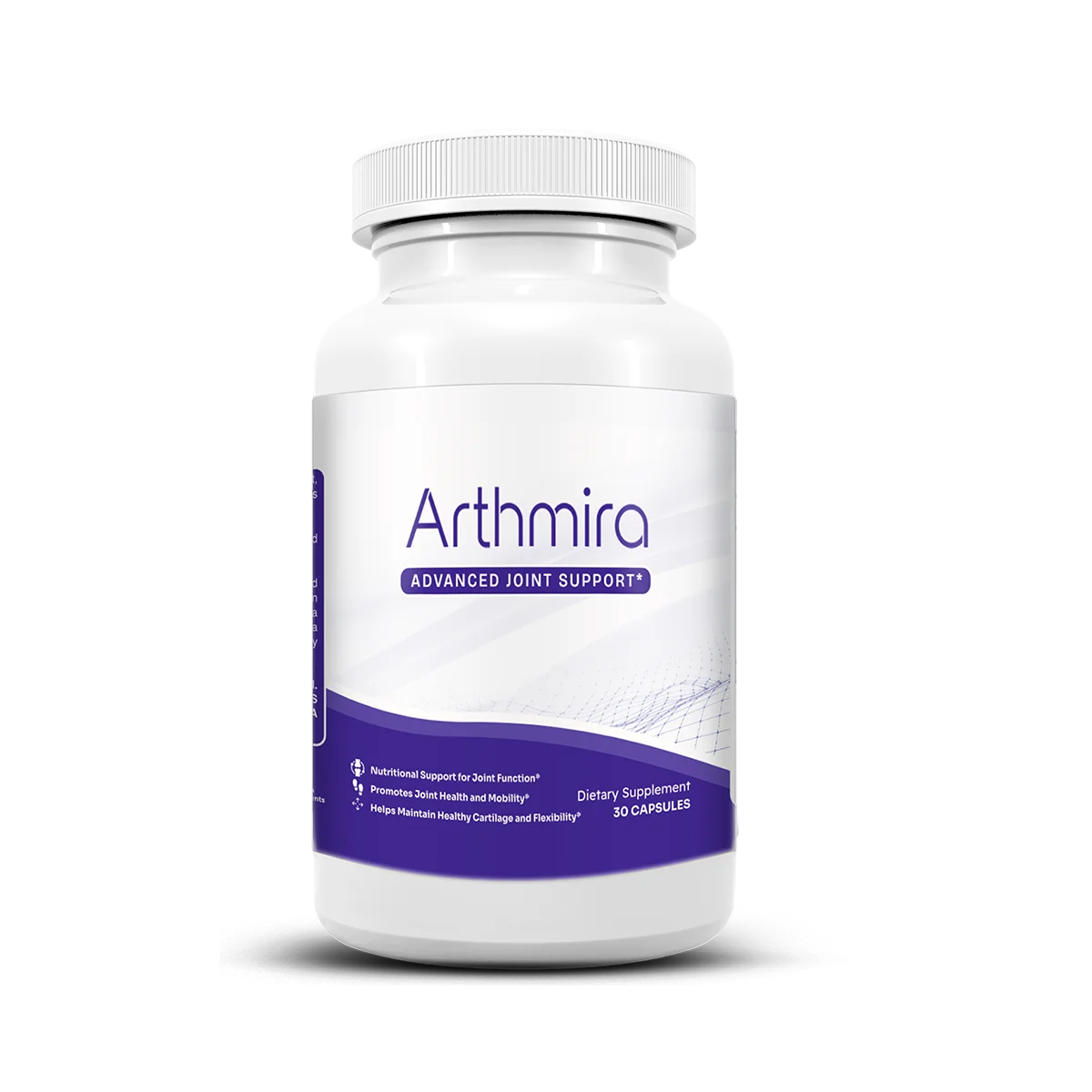
ArthMira concentrates the turmeric family into one daily capsule: a 4:1 turmeric root extract, standardized curcumin at 95% curcuminoids, coleus forskohlii and BioPerine® black pepper. The six-bottle bundle is the best value at $49 per bottle, free U.S. shipping, 60-day guarantee. That thread is picked up in our guide to glucosamine sulfate versus curcumin.
Check today's ArthMira pricing — from $49/bottleFish oil vs turmeric: a side-by-side comparison
Comparing fish oil vs turmeric side by side shows they are built for different jobs, so the "better" choice depends on your diet and your goal. The table below lines up the practical differences that matter when you are deciding.
| Omega-3 fish oil | Turmeric curcumin | |
|---|---|---|
| What it is | A fat supplying EPA & DHA omega-3s | A standardized plant polyphenol from turmeric root |
| Main role discussed | Whole-body inflammatory response; heart & general wellness | Everyday joint comfort and the normal inflammatory response |
| Joint-specific evidence | Supportive, part of an anti-inflammatory diet | More directly studied for joint comfort |
| Typical form | Large or multiple soft-gels; grams of EPA+DHA | One small capsule of concentrated extract |
| Absorption note | Well absorbed as a fat | Needs a helper like BioPerine® black pepper |
| Easy from food? | Yes — oily fish twice a week | Hard to reach a useful dose from spice alone |
| Common downsides | Fishy aftertaste; bulky dose; allergy concern | Very well tolerated; may color the stool yellow |
Curcumin or fish oil — which should you choose?
Whether you choose curcumin or fish oil comes down to two questions: how much oily fish you already eat, and whether you want a concentrated botanical aimed at joint comfort. If your plate rarely includes salmon or sardines, fish oil closes a real dietary gap. If you already eat fish but want standardized joint support in one small capsule, curcumin is the more direct fit.
And you do not have to pick a side. Because the two work through different pathways, pairing a fish-rich diet with a curcumin supplement is a sensible strategy — the food covers your omega-3s while the capsule concentrates the turmeric active. The one caution: both can mildly thin the blood at higher intakes, so anyone on anticoagulants or facing surgery should ask a doctor first.
Why does ArthMira concentrate on standardized curcuminoids?
ArthMira concentrates on standardized curcuminoids because a botanical extract is where a capsule adds the most value: a precise 95% curcuminoid dose is hard to get from food, whereas omega-3s are readily available from oily fish. ArthMira delivers a focused turmeric stack — a 4:1 turmeric root extract, standardized curcumin, coleus forskohlii and BioPerine® black pepper — in one daily capsule, a design choice rather than a knock on fish oil.
Put simply: eat the fish, take the curcumin. For the full breakdown, see our turmeric and curcumin for joint pain guide or the complete ingredients list.
What should you look for in joint inflammation supplements?
The best joint inflammation supplements state exactly what is inside them — standardization, dose and absorption aids — rather than hiding behind a proprietary blend. Whichever way you lean, the checklist below separates a real formula from marketing.
| Look for | Why it matters | ArthMira |
|---|---|---|
| Standardized actives | A stated percentage (e.g. 95% curcuminoids) means a consistent, measurable dose | Standardized curcumin, 95% curcuminoids |
| An absorption aid | Curcumin is poorly absorbed alone; a helper improves uptake | BioPerine® black pepper included |
| Honest positioning | Support for the normal inflammatory response, not disease claims | Educational, no treatment claims |
| Transparent label | Named ingredients and doses beat a hidden blend | Full label on the product page |
| Sensible daily format | A once-daily capsule is easier to keep up than handfuls of soft-gels | One capsule a day |
| A guarantee | Room to try it removes the risk of guessing | 60-day money-back guarantee |
Botanicals build their support gradually, so most people choose a multi-month supply — compare the packages and pricing.
When should you talk to a doctor?
Both fish oil and curcumin are supports for a healthy routine, not replacements for medical care, so speak with your doctor before starting either if you take blood thinners, are pregnant or nursing, are under 18, or have a fish or shellfish allergy. See a professional, too, if joint pain is severe, follows an injury, comes with swelling or warmth, wakes you at night, or does not improve with self-care.
Frequently asked questions
Is fish oil or curcumin better for joint pain?
Neither is a treatment for joint disease; both are studied as support for the body's normal inflammatory response rather than as cures. Curcumin research tends to focus more specifically on joint comfort, while fish oil is studied more broadly. Many people use both, and ArthMira concentrates on standardized curcuminoids.
Can I take fish oil and turmeric curcumin together?
For most people the two are used together because they act through different pathways, and a diet rich in oily fish pairs naturally with a curcumin supplement like ArthMira. Because both may mildly affect bleeding, anyone on blood thinners or preparing for surgery should check with a doctor first.
What does omega-3 do for joints?
Omega-3 fatty acids from fish oil, mainly EPA and DHA, are the building blocks the body uses to make molecules that help resolve its normal inflammatory response. They are part of an anti-inflammatory eating pattern, but they support a routine rather than treating any condition.
Why does ArthMira use curcumin instead of fish oil?
ArthMira concentrates on the turmeric family because standardized curcumin at 95% curcuminoids gives a consistent, measurable dose in one small capsule, paired with BioPerine black pepper for absorption. Fish oil is valuable but easy to get from food and needs large soft-gels, so ArthMira focuses where a concentrated extract adds the most.
How long before joint supplements make a difference?
Both curcumin and fish oil build their support gradually rather than overnight, so most guides suggest several weeks to a few months of consistent daily use. Individual results vary, and a supplement works best alongside movement, a healthy weight and good sleep.
Are fish oil supplements for joint pain safe?
Fish oil is generally well tolerated, with fishy aftertaste or mild digestive upset the most common complaints, though high doses can thin the blood. Speak with your doctor first if you are pregnant or nursing, under 18, take blood thinners, or have a fish or shellfish allergy.
See the exact dose in ArthMira — try it risk-free for 60 days →
ArthMira is a dietary supplement, not a treatment for any medical condition. These statements have not been evaluated by the Food and Drug Administration. This product is not intended to diagnose, treat, cure or prevent any disease. Always consult a qualified healthcare professional about your individual needs.
References & further reading
- National Institutes of Health, Office of Dietary Supplements. Omega-3 Fatty Acids — Health Professional Fact Sheet. ods.od.nih.gov/factsheets/Omega3FattyAcids-HealthProfessional
- National Center for Complementary and Integrative Health (NCCIH). Turmeric. nccih.nih.gov/health/turmeric
- National Center for Complementary and Integrative Health (NCCIH). Omega-3 Supplements: In Depth. nccih.nih.gov/health/omega3-supplements-in-depth
- Examine.com. Curcumin — evidence-based summary. examine.com/supplements/curcumin
- Examine.com. Fish Oil — evidence-based summary. examine.com/supplements/fish-oil
- Kuptniratsaikul V, Dajpratham P, Taechaarpornkul W, et al. Efficacy and safety of Curcuma domestica extracts compared with ibuprofen in patients with knee osteoarthritis: a multicenter study. Clinical Interventions in Aging, 2014. Kuptniratsaikul et al., Clin Interv Aging 2014 — PubMed 24672232
These references describe the ingredients and habits in general terms and do not constitute evidence that any product treats, cures or prevents any condition.
Keep reading: how turmeric and curcumin work · how to ease joint pain naturally · read the full ArthMira review · back to the ArthMira blog.