Glucosamine sulfate for joint pain vs curcumin: the ArthMira comparison

Published August 2026 · reviewed by the ArthMira Research Team. We are an independent information resource, not a medical provider, and this article is educational rather than medical advice.
Glucosamine sulfate and curcumin are two of the most searched-for joint ingredients, but they are not rivals doing the same job — glucosamine sulfate supplies a raw material the body uses to build cartilage, while curcumin, the active in turmeric, is studied for its role in the body’s normal inflammatory response. This guide compares how each one works, what the evidence says, and where a curcumin-first formula like ArthMira fits for everyday joint comfort.
Glucosamine sulfate vs curcumin, honestly compared.
- Different jobs
- Glucosamine sulfate is a cartilage building block; curcumin is studied for the body’s normal inflammatory response and everyday comfort. Neither is a treatment for any disease.
- The evidence
- Both have real research behind them, but findings are mixed and effects tend to be modest and gradual rather than dramatic.
- Can you combine them?
- Yes — many people layer both because they target different parts of the joint picture. Check with your doctor first, especially with a shellfish allergy.
- Where ArthMira sits
- ArthMira is curcumin-first: standardized turmeric curcumin with BioPerine® for absorption, not a glucosamine product.
If you have compared joint supplement labels, you have probably seen both names side by side and wondered which to choose. The honest answer starts with a simple idea: they are aimed at two different layers of the same joint. Below we cover what each one is, how it works, what studies find, and where ArthMira’s standardized curcumin approach fits.
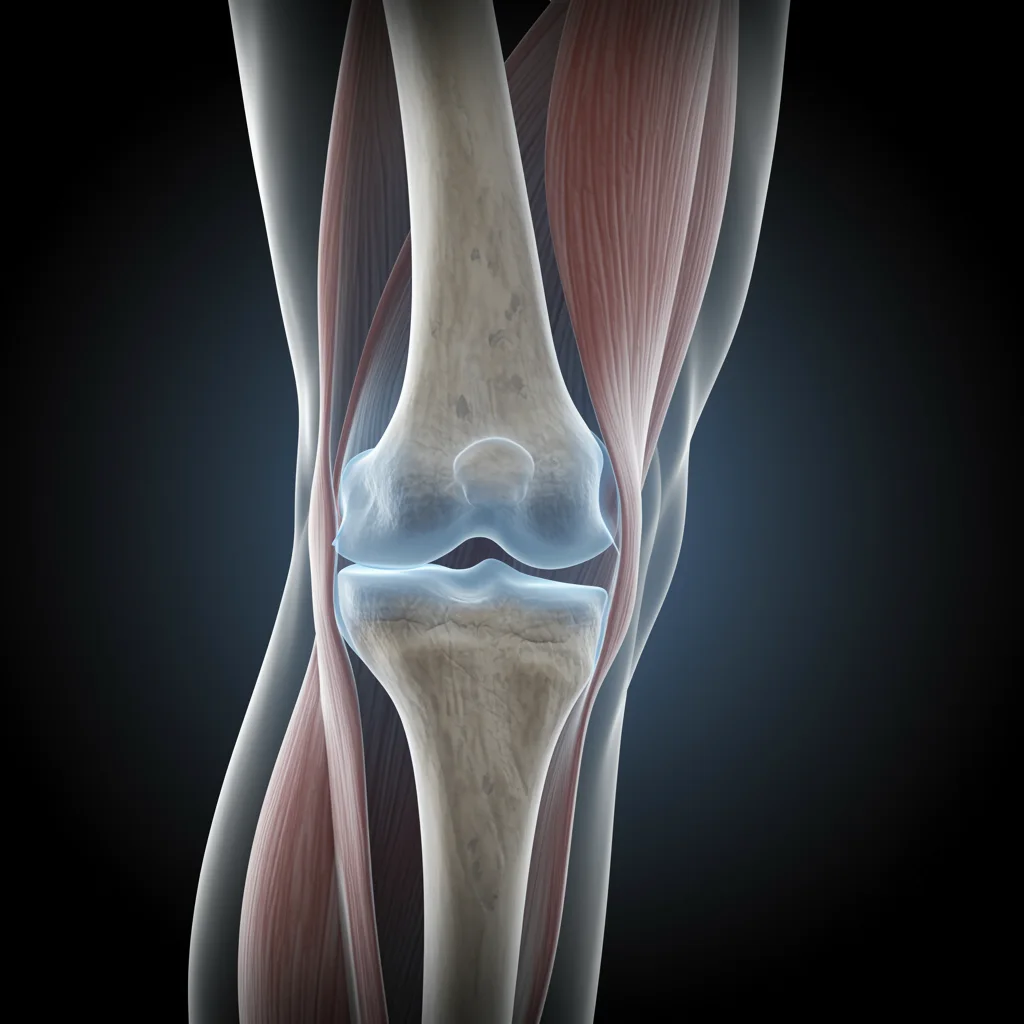
What is glucosamine sulfate, and how does it work for joint pain?
Glucosamine sulfate is a form of glucosamine, an amino sugar your body naturally makes and uses to build and maintain cartilage and the fluid that lubricates a joint. As a supplement it is usually sourced from shellfish shells or made by fermentation, and the “sulfate” form is the one most used in research. The logic is intuitive: cartilage is the cushion between bones, and glucosamine is one of its raw materials, so supplementing it is thought to support that cushion over time.
What the science shows is more nuanced than the marketing. Reviews summarized by the National Center for Complementary and Integrative Health report that glucosamine’s effect on joint comfort is inconsistent — some trials show a modest benefit, others little difference from placebo. It is best understood as slow-acting structural support that may help some people, not a guaranteed fix and not a treatment for any disease.
What is curcumin, and how is it different from glucosamine?
Curcumin is the most-studied active compound in turmeric, and it works on a different layer of the joint than glucosamine does. Rather than acting as a building block for cartilage, curcumin is researched for its role in the body’s normal inflammatory response — the background signaling that influences how comfortable a joint feels after use. That is the key distinction: glucosamine aims at the structure, while curcumin is studied for the comfort and inflammatory environment around it.
Curcumin has one well-known catch: on its own it is poorly absorbed, with much of an ordinary dose passing through the body unused, which is why serious formulas pair it with a black pepper extract. In ArthMira, that partner is BioPerine® standardized piperine, included to help the body take up more curcuminoids. Read the mechanism in our guide to BioPerine and curcumin absorption and the extract detail in our 95% curcuminoids explainer.
Glucosamine sulfate vs curcumin: a side-by-side comparison
The clearest way to compare glucosamine sulfate and curcumin is to line up what each one is, what it targets, and how the evidence reads. The table below is a general, educational summary — not a claim that either ingredient treats, cures or prevents any condition.
| Feature | Glucosamine sulfate | Curcumin (from turmeric) |
|---|---|---|
| What it is | An amino sugar; a cartilage building block | A polyphenol; the signature active of turmeric |
| Main focus | Cartilage structure & joint cushioning | The body’s normal inflammatory response & comfort |
| Typical source | Shellfish shells or fermentation | Turmeric root extract, standardized to curcuminoids |
| Absorption note | Reasonably absorbed on its own | Poorly absorbed unless paired with piperine (BioPerine®) |
| Evidence read | Mixed; modest and inconsistent in reviews | Widely studied; supportive but not a treatment |
| Time to assess | Weeks to months | Weeks of consistent use |
| In ArthMira? | No | Yes — standardized 95% curcuminoids |
Which one targets cartilage, and which targets comfort?
Think of a joint in two layers. The structural layer is the cartilage cushion and lubricating fluid; the comfort layer is the everyday inflammatory signaling that shapes how a joint feels. Glucosamine sulfate is aimed at the structural layer, supplying a raw material for cartilage. Curcumin is aimed at the comfort layer, which is why it appears in so many joint-wellness formulas. Choosing is really a question of which layer you want to support first.
See the exact curcumin dose in ArthMira →
What does the evidence actually say about each one?
Both ingredients have genuine research behind them, and in both cases the honest summary is “promising but not conclusive.” For glucosamine sulfate, the trials are large but contradictory: some suggest a small benefit for joint comfort, while rigorous reviews find the average effect close to placebo. Here the evidence is genuinely weak and mixed. For the fuller picture, see what we found on curcumin versus fish oil for joint pain.
Curcumin’s research is younger but active. It is widely studied for its interaction with the pathways behind the body’s normal inflammatory response, and independent summaries such as Examine.com rate the joint-comfort literature as encouraging while noting that absorption and study quality vary. Neither ingredient has earned the right to be called a treatment; both belong in the “reasonable, evidence-referenced support” category, useful alongside movement, weight management and an anti-inflammatory diet — see our post on the best foods and habits for healthy joints.
Can you take glucosamine and curcumin together?
Yes — because they target different layers of the joint, many people use them together rather than choosing one, and there is no widely reported interaction between the two. That said, sensible caution applies: some glucosamine is shellfish-derived, so a shellfish allergy is a reason to check labels, and anyone on blood thinners, pregnant, nursing, or under 18 should speak with a doctor first, since concentrated curcumin can interact with some medications.
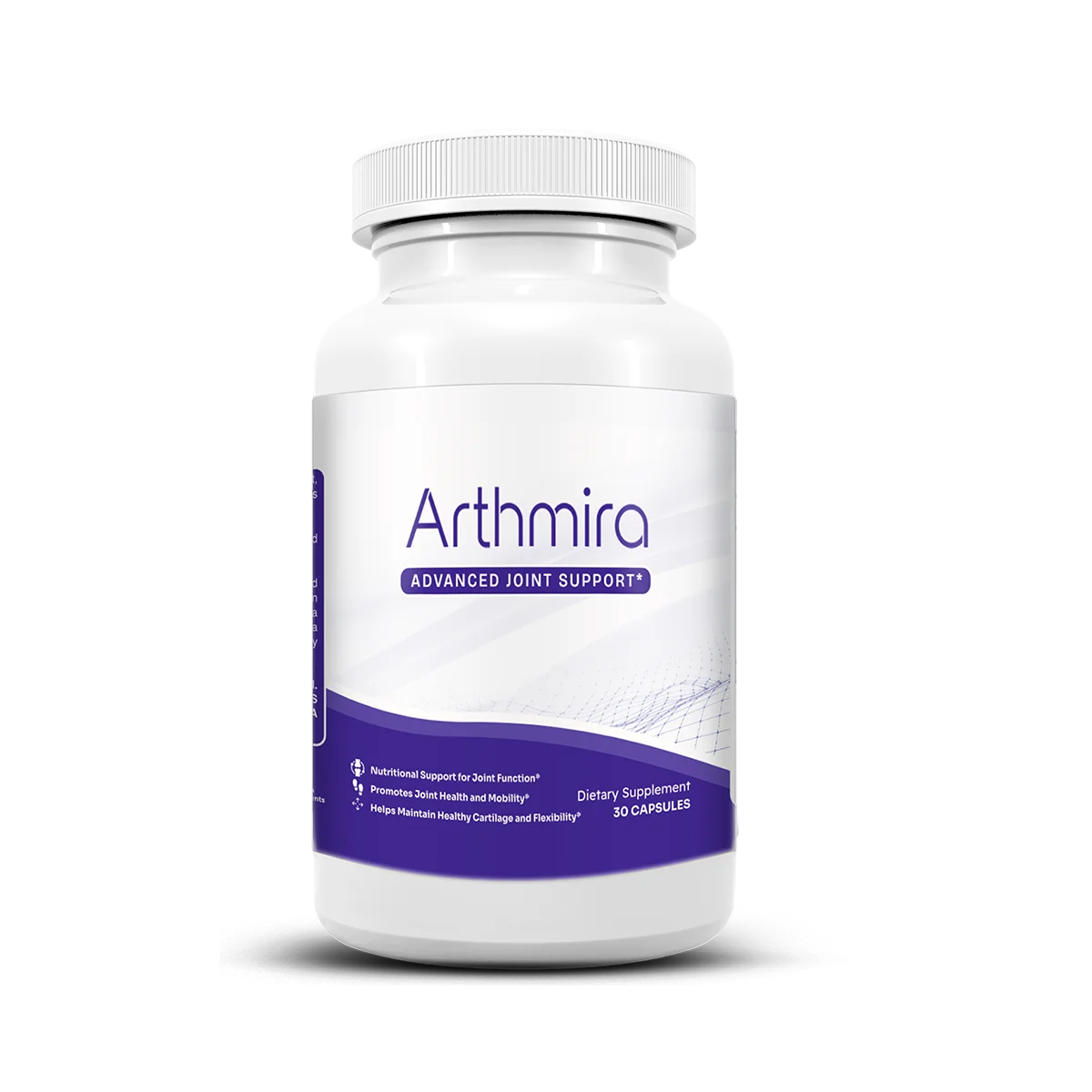
ArthMira takes a focused position. Rather than being a glucosamine product, it commits fully to the curcumin side, combining a 4:1 turmeric root extract with a standardized curcumin extract (95% curcuminoids), plus coleus forskohlii and BioPerine® black pepper for absorption, in one daily capsule. If you already take glucosamine and want to add a well-formulated curcumin, or simply prefer the comfort-focused route, that is where it fits.
The curcumin side, done properly
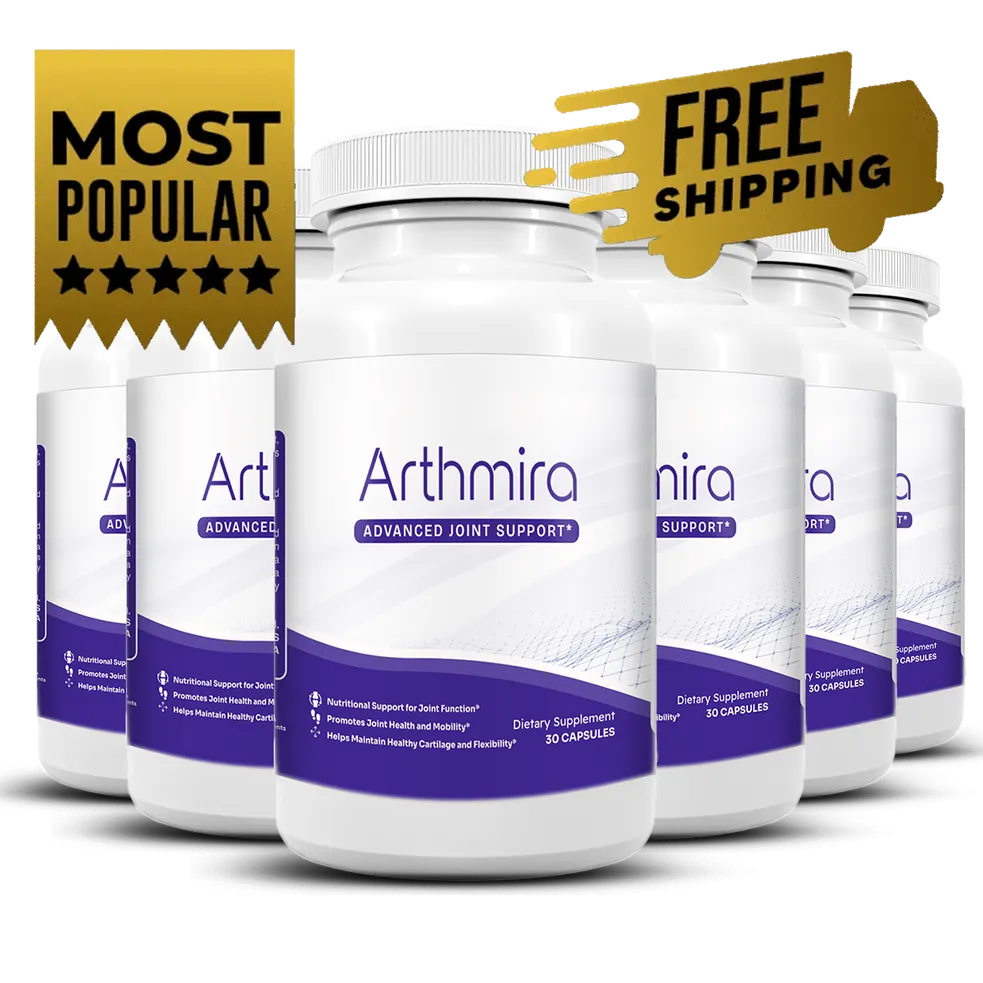
ArthMira is a once-daily capsule pairing standardized 95% curcuminoids with BioPerine® for absorption. The six-bottle bundle is the best value at $49 per bottle, with free U.S. shipping and a 60-day guarantee.
Check today’s ArthMira pricing — from $49/bottleHow do you choose between glucosamine sulfate and curcumin?
Choosing comes down to which layer of the joint you want to prioritise. The quick decision table below sorts the two by focus and best-fit situation, so you can match an ingredient to your own goal.
| If your priority is… | Leans toward | Why |
|---|---|---|
| Cartilage / structural support | Glucosamine sulfate | Supplies a raw material used in cartilage; slow-acting. |
| Everyday comfort & inflammatory balance | Curcumin | Studied for the body’s normal inflammatory response. |
| A traditional, food-derived botanical | Curcumin | Turmeric has centuries of culinary and Ayurvedic use. |
| Covering both layers | Both together | They target different jobs and are commonly combined. |
| A single, absorption-optimised capsule | ArthMira | Standardized curcumin plus BioPerine® in one daily dose. |
Whichever route you take, no capsule replaces the basics. Movement, a comfortable weight and good sleep still do the heavy lifting, and a supplement supports that routine. For the full picture, our guide on how to ease joint pain naturally puts the habits and ingredients together.
When should you talk to a doctor?
Supplements like glucosamine and curcumin support comfortable everyday joints; they are not a replacement for medical care. Speak with your doctor before starting either if you are pregnant or nursing, under 18, take medication such as blood thinners, or have a shellfish allergy — and see a professional if joint pain is severe, follows an injury, comes with swelling, redness or warmth, wakes you at night, or does not improve with self-care.
Frequently asked questions
Is glucosamine sulfate or curcumin better for joint pain?
They work differently, so neither is universally better. Glucosamine sulfate supplies a building block found in cartilage and is studied mainly for structural, cartilage-focused support, while curcumin is studied for its role in the body’s normal inflammatory response and everyday comfort. Some people use one, some layer both, and results vary.
What is glucosamine sulfate and how does it work for joints?
Glucosamine sulfate is a form of an amino sugar the body uses to make and maintain cartilage and joint fluid. As a supplement it is taken to support the cartilage cushion between bones. Evidence is mixed and often modest, and it is a support to healthy habits rather than a treatment for any disease.
Does ArthMira contain glucosamine sulfate?
No. ArthMira is a turmeric-forward formula built on a 4:1 turmeric root extract and a standardized curcumin extract (95% curcuminoids) with coleus forskohlii and BioPerine black pepper for absorption. It focuses on the curcumin side of joint support rather than glucosamine.
Can you take glucosamine and curcumin together?
Many people do, because they target different parts of the joint-comfort picture. There is no widely reported interaction between them, but you should check with your doctor first if you take medication such as blood thinners, are pregnant or nursing, or have a shellfish allergy, since some glucosamine is shellfish-derived.
Why does ArthMira add BioPerine black pepper to curcumin?
Curcumin on its own is poorly absorbed. BioPerine, a standardized black pepper (piperine) extract, is included to help the body take up curcuminoids so more of the active reaches circulation, which is why ArthMira pairs the two in one daily capsule.
How long before glucosamine sulfate or curcumin might help?
Both are gradual. Studies of glucosamine sulfate often run for several weeks to months before any change is assessed, and curcumin support also builds over weeks of consistent use rather than working overnight. Individual results vary, and neither is a quick fix.
See the exact dose in ArthMira — risk-free for 60 days →
ArthMira is a dietary supplement, not a treatment for any medical condition. These statements have not been evaluated by the Food and Drug Administration. This product is not intended to diagnose, treat, cure or prevent any disease. Always consult a qualified healthcare professional about your individual needs.
References & further reading
- National Center for Complementary and Integrative Health (NCCIH). Glucosamine and Chondroitin for Osteoarthritis. nccih.nih.gov/health/glucosamine-and-chondroitin-for-osteoarthritis
- National Center for Complementary and Integrative Health (NCCIH). Turmeric. nccih.nih.gov/health/turmeric
- Examine.com. Curcumin — evidence-based summary. examine.com/supplements/curcumin
- Examine.com. Glucosamine — evidence-based summary. examine.com/supplements/glucosamine
- Sterzi S, Giordani L, Morrone M, et al. The efficacy and safety of a combination of glucosamine hydrochloride, chondroitin sulfate and bio-curcumin with exercise in the treatment of knee osteoarthritis: a randomized, double-blind, placebo-controlled study. European Journal of Physical and Rehabilitation Medicine, 2016. Sterzi et al., Eur J Phys Rehabil Med 2016 — PubMed 26937646
- Mayo Clinic. Glucosamine — consumer drug & supplement information. mayoclinic.org/drugs-supplements-glucosamine
These references describe the ingredients in general terms and do not constitute evidence that any product treats, cures or prevents any condition.
Keep reading: how turmeric and curcumin work · why 95% curcuminoids matters · back to the ArthMira blog · read the full ArthMira review.