Does glucosamine work for joints? The ArthMira verdict

Updated September 2026 · reviewed by the ArthMira Research Team. We are an independent information resource, not a medical provider, and this article is educational rather than medical advice.
Does glucosamine work for joints? The honest answer is that the evidence is mixed: a few trials show a modest benefit, several large independent ones show none, and major health bodies call the overall effect small and uncertain. That gap is exactly why many people look beyond glucosamine — and why ArthMira takes a turmeric-forward route instead.
Does glucosamine really work? The short, honest version.
- The verdict
- Glucosamine may help some people a little; independent research finds the average effect small, and often no better than placebo.
- Best case
- Prescription-grade glucosamine sulfate, taken consistently for months, is where the more positive results cluster.
- Why people move on
- Slow to act, inconsistent results, and little felt change after a fair trial lead many to try other ingredients.
- The ArthMira route
- ArthMira skips glucosamine entirely and builds on standardized turmeric curcumin with BioPerine — a support to routine, not a treatment.
Glucosamine is still one of the first supplements people reach for when a knee starts to grumble, but popularity is not the same as proof. Here we weigh what the research actually shows about glucosamine effectiveness, how it stacks up against turmeric, and where a formula like ArthMira fits for people who want a different approach.
What is glucosamine, and what is it supposed to do?
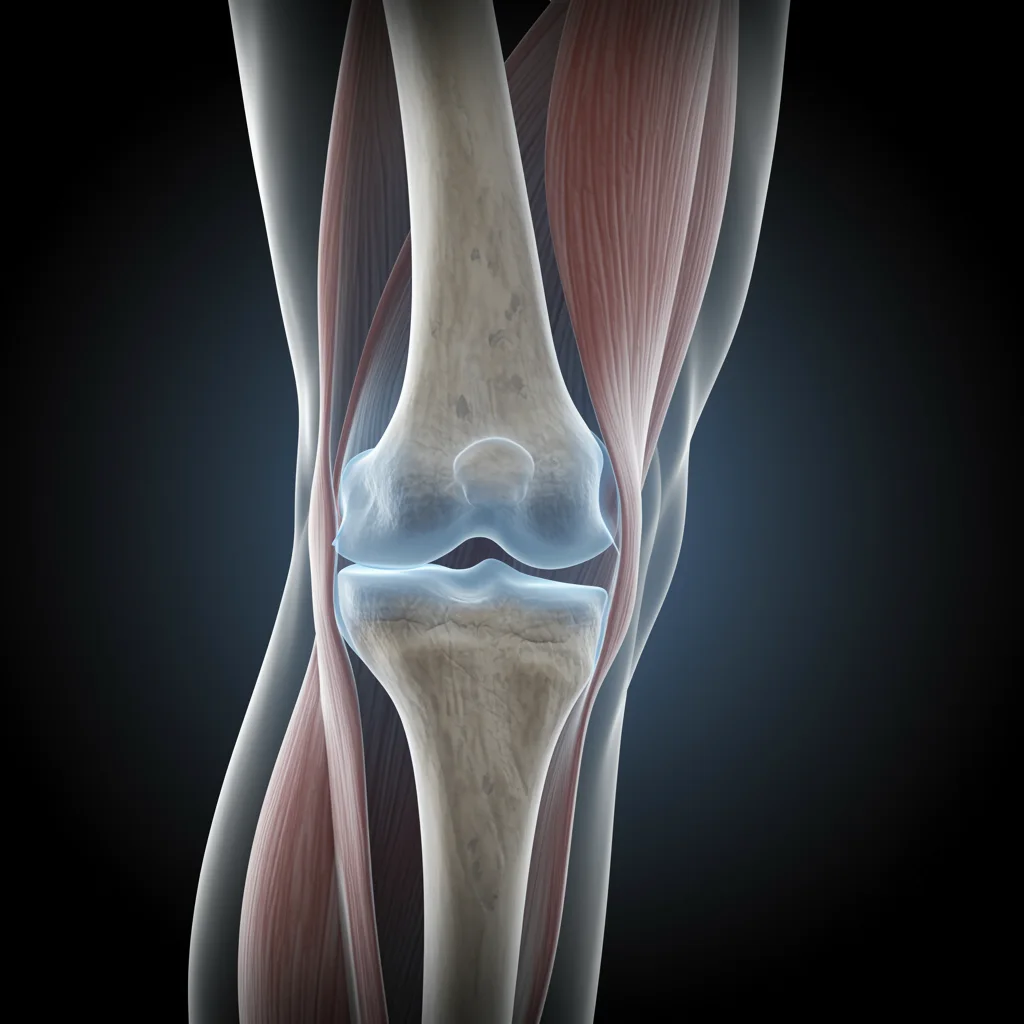
Glucosamine is a natural compound your body makes and a building block of cartilage, the smooth tissue that cushions the ends of bones inside a joint. The theory is simple: if cartilage wears down over years of use, feeding the body more of its raw material might help maintain that cushioning. Most products use one of two forms — glucosamine sulfate or hydrochloride — and many are sourced from shellfish. Supplemental glucosamine is not a drug and is not approved to treat any joint condition; it is a dietary ingredient studied for general joint comfort.
Does glucosamine really work for joints? What the evidence says
The most accurate summary of glucosamine research is that the results genuinely conflict. Some studies report a small benefit; several large, carefully run studies report essentially nothing. Rather than cherry-pick, it helps to look at both sides.
The studies that showed a benefit
A number of trials — often using a specific prescription-grade glucosamine sulfate formulation common in Europe — have reported modest improvements in joint comfort and function over several months. Supporters point out that these used a consistent, pharmaceutical-quality product at a steady daily dose, which may explain the more favourable numbers. Where glucosamine looks best, it looks like a slow, mild support taken faithfully over a long period, not a quick fix.
The studies that showed little or nothing
On the other side sit some of the largest and most independent trials, including government-funded research, which found glucosamine performed no better than a placebo for most participants. Reviews that pool many studies together tend to land in the middle: any average benefit is small, and it shrinks further when researchers look only at the highest-quality, industry-independent trials. This is why national health bodies describe the evidence as weak and inconsistent rather than convincing.
Does the form of glucosamine matter?
One reason the trials disagree may be that not all glucosamine is the same. Much of the more positive evidence involves glucosamine sulfate, while glucosamine hydrochloride and combination products have generally fared worse in testing. Dose, product quality and how long people took it all vary between studies too. The practical takeaway is that if you try glucosamine, the sulfate form taken consistently for a proper trial period is the version with the most research behind it — though even then the expected benefit is modest.
Is glucosamine worth it? Why some people look beyond it
Whether glucosamine is worth taking comes down to weighing a low risk against a small, uncertain reward. It has a long safety record and is inexpensive, so a supervised trial costs little. But three frustrations lead many people to move on. First, it is slow: studies that show anything usually run for months before measuring change. Second, results are inconsistent, so a friend's success is no guarantee of your own. Third, and most decisive, many people simply feel nothing after a fair, consistent trial. When that happens, it is reasonable to reassess and look at other well-studied ingredients. For the fuller picture, see what we found on which supplements people try for knee pain.
See the exact dose in ArthMira →
Glucosamine vs turmeric: how do they compare?
Glucosamine and turmeric take different routes to the same goal of joint comfort. Glucosamine tries to supply a raw material for cartilage; turmeric's curcuminoids are studied instead for their role in the body's normal inflammatory response. Neither is a proven treatment, and head-to-head trials are limited, so the table below compares them on the practical points people care about rather than declaring a winner.
| Point of comparison | Glucosamine | Turmeric / curcumin |
|---|---|---|
| How it is meant to work | Supplies a building block of cartilage | Curcuminoids studied for the body’s normal inflammatory response |
| State of the evidence | Mixed; large independent trials often show no benefit | Actively studied; promising but not conclusive for joints |
| Time to notice | Weeks to a few months, if at all | Builds gradually over weeks |
| Absorption challenge | Generally well absorbed | Poor on its own; paired with BioPerine black pepper to help uptake |
| Common source note | Often shellfish-derived (allergy check) | Plant root; typically vegetarian-friendly |
| What it is | A dietary supplement, not a treatment | A dietary supplement, not a treatment |
For a deeper side-by-side, our guide to turmeric vs glucosamine for joints and our note on glucosamine sulfate vs curcumin go further into the research. The key point here: turmeric is not a magic upgrade — it is simply a different, well-studied route that many people prefer to try.

Where does ArthMira fit for people rethinking glucosamine?
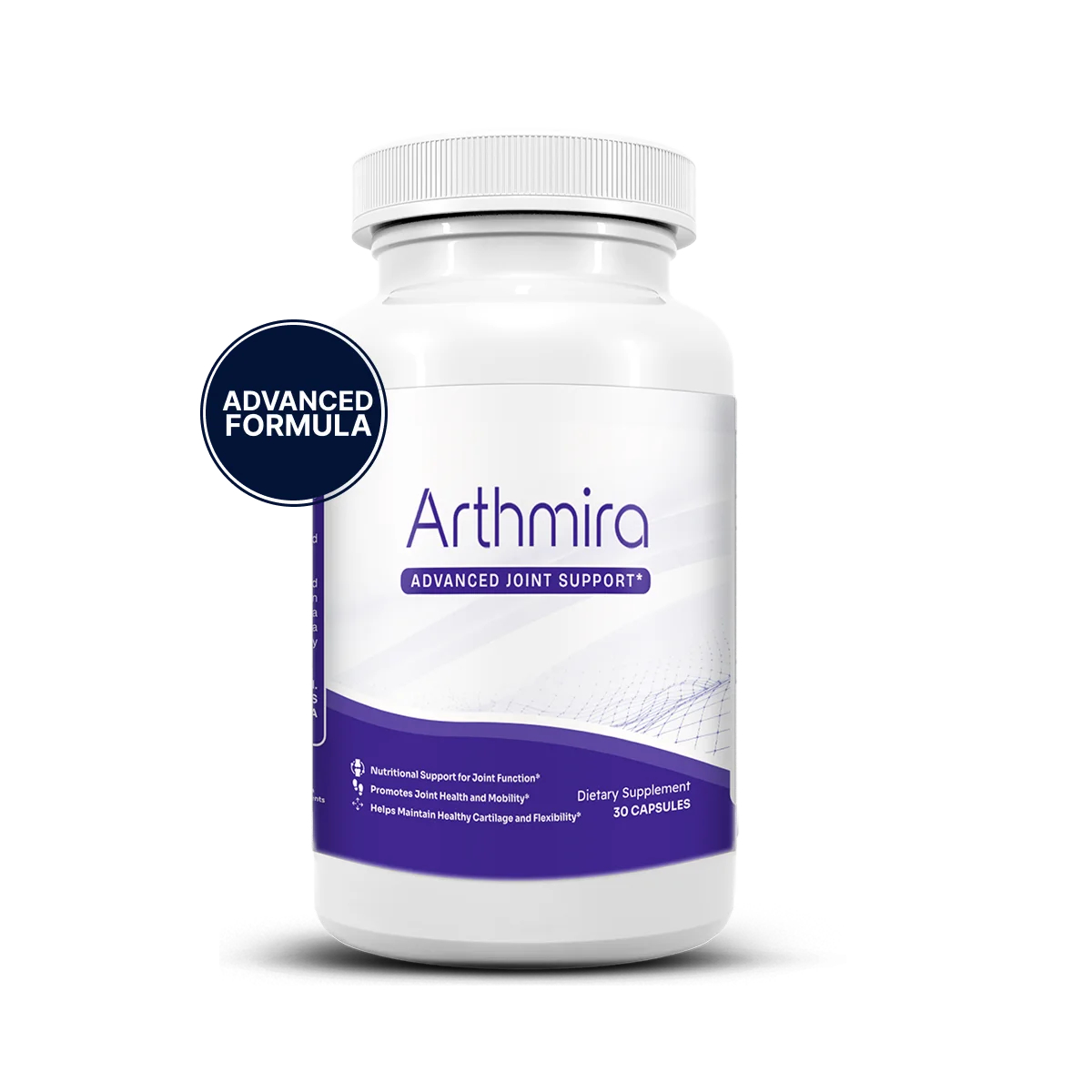
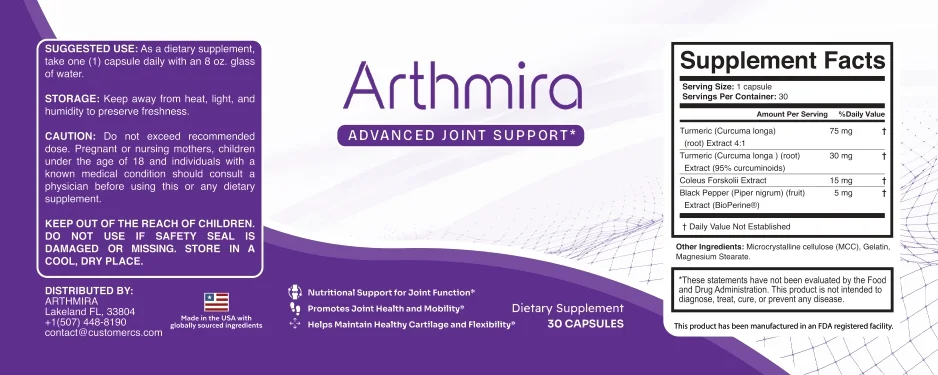
ArthMira is a once-daily, turmeric-forward joint support supplement that deliberately does not contain glucosamine. Instead of supplying a cartilage building block, it is built around a 4:1 turmeric root extract and a standardized curcumin extract (95% curcuminoids), with coleus forskohlii and BioPerine® black pepper to help absorb those curcuminoids. It is a support to movement, weight and diet — not a treatment for any condition. For anyone who gave glucosamine a fair run and felt little, it is a different, well-studied approach to try; see the full breakdown in our ArthMira review.
A different route from glucosamine
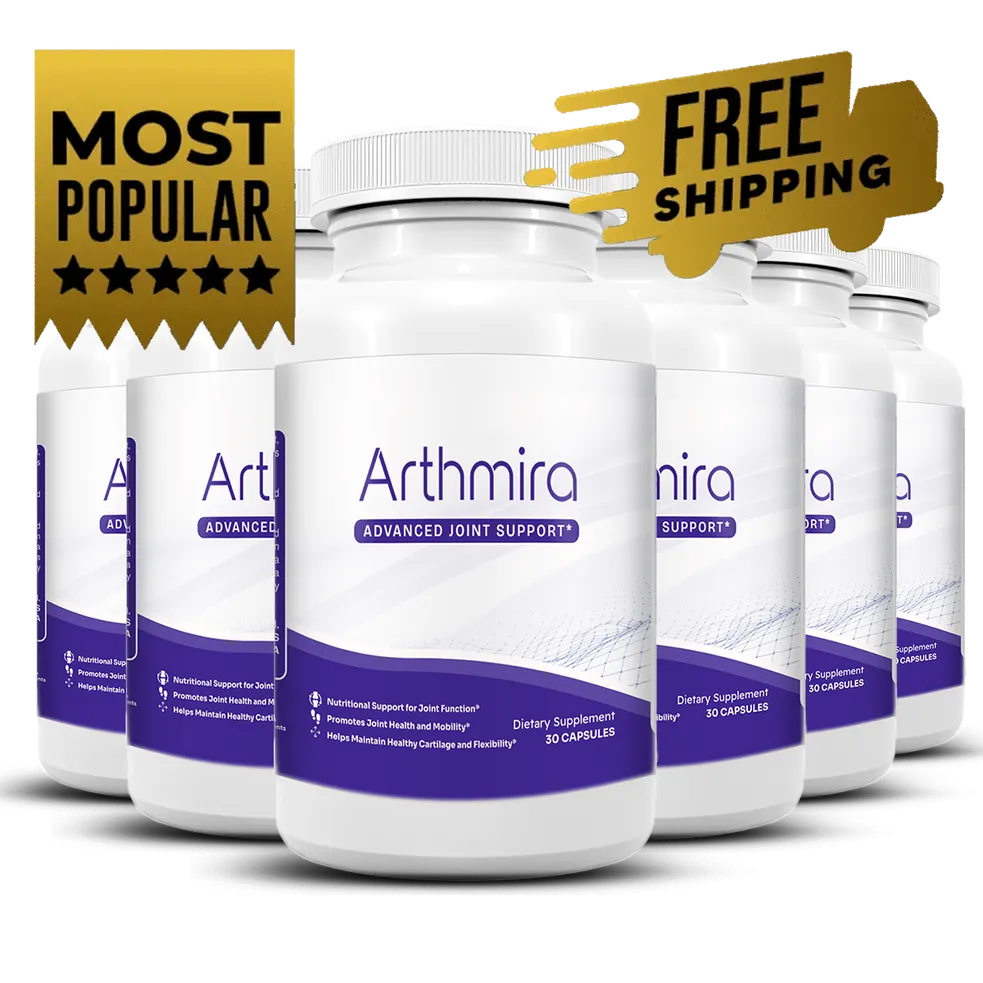
ArthMira pairs standardized turmeric curcumin with BioPerine in one daily capsule. The six-bottle bundle is the best value at $49 per bottle, with free U.S. shipping and a 60-day guarantee.
Check today’s ArthMira pricing — from $49/bottleHow should you read a glucosamine label and set expectations?
A sensible glucosamine trial has a few markers you can check before you spend a penny, and knowing them keeps expectations realistic. The table below sets out what a reasonable, evidence-aligned approach looks like, and when — if ever — you would expect to notice anything.
| What to check | Sensible expectation | Realistic timeframe |
|---|---|---|
| Form of glucosamine | Sulfate has the most supportive research | Choose before you start |
| Daily dose consistency | Taken every day, not now and then | Ongoing |
| Trial length | Give it a full, fair run before judging | 8–12 weeks minimum |
| Shellfish source | Check the label if you have an allergy | Before you start |
| Felt benefit | Modest at best; may be none | Reassess at 3 months |
| Reassessment point | No change? Discuss alternatives | After a fair trial |
The same discipline applies to any joint ingredient, turmeric included: pick a quality product, take it consistently, give it a fair window, and be willing to reassess. You can compare the ArthMira packages and pricing if you decide a turmeric-forward trial is the next step.
When should you talk to a doctor about glucosamine?
Supplements are a personal choice best made with professional input, especially if you already manage a health condition. Speak with your doctor before starting glucosamine or any joint supplement if you take blood thinners, are managing blood sugar, are pregnant or nursing, are under 18, or have a shellfish allergy. And see a professional promptly if joint pain is severe, follows an injury, or comes with swelling, redness or warmth — those are signals for medical assessment, not a supplement. Nothing here is a substitute for that care.
Frequently asked questions
Does glucosamine really work for joints?
The evidence is genuinely mixed. Some trials, especially of prescription-grade glucosamine sulfate, report modest improvements in comfort, while several large independent trials found glucosamine performed no better than a placebo. Major health bodies describe the overall effect as small and uncertain, so it may help some people a little and do little for others.
Is glucosamine or turmeric better for joint comfort?
Neither is a proven treatment, and head-to-head research is limited. Glucosamine is a cartilage building block with mixed trial results, while turmeric’s curcuminoids are studied for their role in the body’s normal inflammatory response. Many people who saw little from glucosamine choose to try a turmeric-forward option instead. Both are supports to movement and diet, not cures.
How long does glucosamine take to work?
Studies that report a benefit usually run for eight to twelve weeks or longer before any change is measured, so glucosamine is not a fast-acting option. If you have taken a sensible dose consistently for a few months and noticed nothing, that is a reasonable point to reassess with a professional.
Is glucosamine worth taking?
That depends on your priorities. It has a long safety record and is inexpensive, so a monitored trial is low-risk, but the average benefit in independent research is small and may be nil for many people. If it has not helped after a few consistent months, it is reasonable to look at other well-studied ingredients.
Are there side effects or people who should avoid glucosamine?
Glucosamine is generally well tolerated, with occasional mild digestive upset. Because many products are sourced from shellfish, people with a shellfish allergy should check the source, and anyone taking blood thinners, who is pregnant or nursing, or managing blood sugar should speak with a doctor first.
Does ArthMira contain glucosamine?
No. ArthMira is a turmeric-forward formula built on a 4:1 turmeric root extract and a standardized curcumin extract with BioPerine black pepper for absorption, plus coleus forskohlii. It takes a different route from glucosamine and is a support to a healthy routine, not a treatment for any condition.
Try the turmeric-forward ArthMira risk-free for 60 days →
ArthMira is a dietary supplement, not a treatment for any medical condition. These statements have not been evaluated by the Food and Drug Administration. This product is not intended to diagnose, treat, cure or prevent any disease. Always consult a qualified healthcare professional about your individual needs.
References & further reading
- National Center for Complementary and Integrative Health (NCCIH). Glucosamine and Chondroitin for Osteoarthritis. nccih.nih.gov/health/glucosamine-and-chondroitin-for-osteoarthritis
- Mayo Clinic. Glucosamine — drugs and supplements. mayoclinic.org/drugs-supplements-glucosamine
- Examine.com. Glucosamine — evidence-based summary. examine.com/supplements/glucosamine
- Examine.com. Curcumin — evidence-based summary. examine.com/supplements/curcumin
- Clegg DO, Reda DJ, Harris CL, et al. Glucosamine, chondroitin sulfate, and the two in combination for painful knee osteoarthritis. New England Journal of Medicine, 2006. Clegg et al., N Engl J Med 2006 — PubMed 16495392
- National Center for Complementary and Integrative Health (NCCIH). Turmeric. nccih.nih.gov/health/turmeric
These references describe the ingredients and habits in general terms and do not constitute evidence that any product treats, cures or prevents any condition.
Keep reading: turmeric vs glucosamine for joints · how turmeric and curcumin work · back to the ArthMira blog · homepage.