Glucosamine for joint pain vs turmeric: the ArthMira verdict

Updated September 2026 · reviewed by the ArthMira Research Team. We are an independent information resource, not a medical provider, and this article is educational rather than medical advice.
Glucosamine and turmeric are the two most popular joint approaches, and they work in completely different ways: glucosamine supplies a building block your body uses to maintain cartilage, while turmeric’s curcuminoids are studied for the body’s normal inflammatory response. Neither treats any disease, the evidence for both is mixed, and the honest answer to “which is better” is that it depends on what you want a supplement to do — which is exactly where a botanical route like ArthMira fits the conversation.
Glucosamine vs turmeric for joints, in one place.
- Glucosamine
- A cartilage building block, usually glucosamine sulfate from shellfish, taken as long-term structural support. Evidence is mixed and it works slowly.
- Turmeric & curcumin
- A plant route that targets the body’s everyday inflammatory response; often the easier one to feel day to day, and vegetarian.
- Better for you?
- Depends on your goal, your diet and any allergies. Many formulas combine both because they act on different pathways.
- Where ArthMira sits
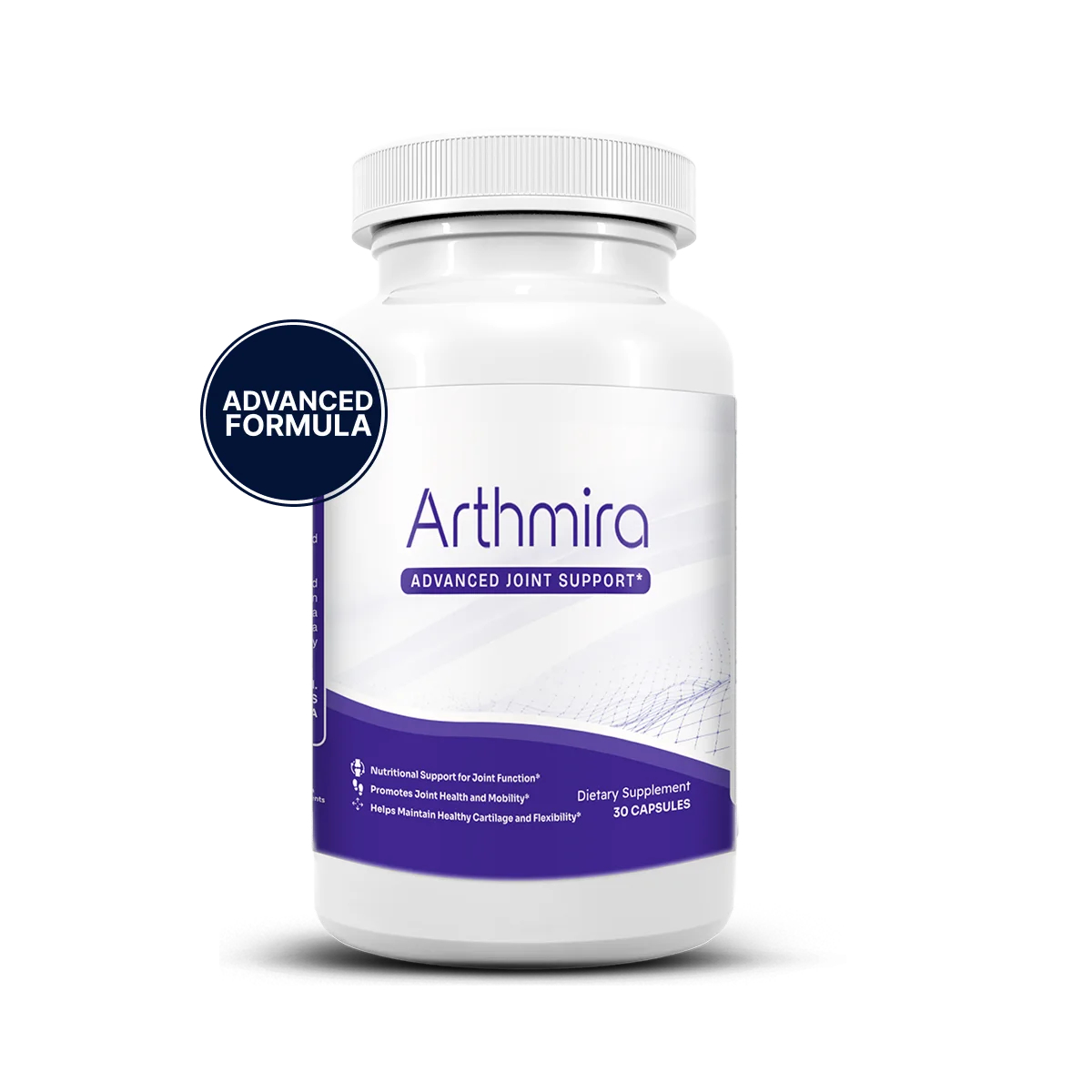
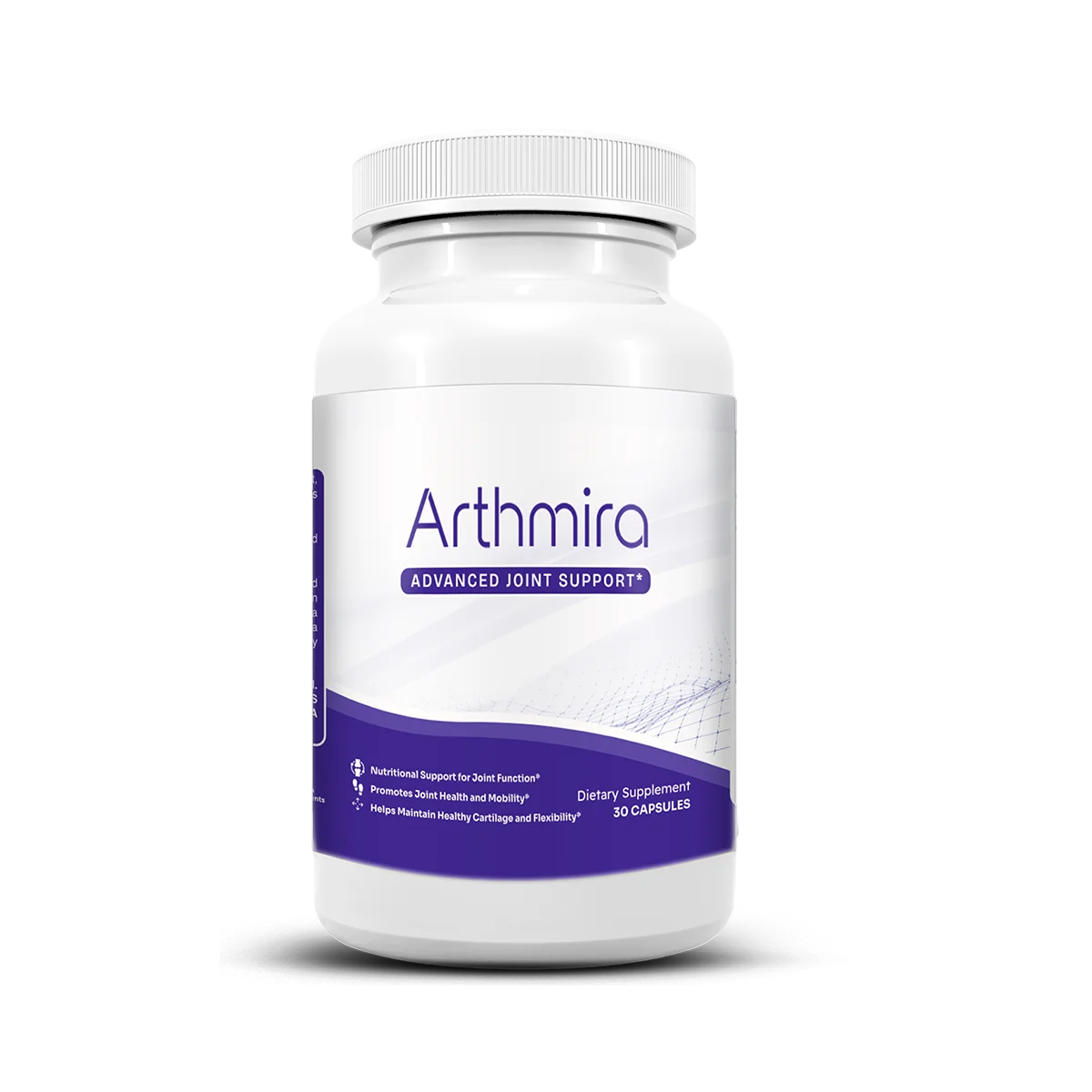
- ArthMira takes the turmeric route: standardized 95% curcuminoids with BioPerine for absorption — a support to your routine, not a treatment.
If you have stood in a pharmacy aisle weighing a glucosamine bottle against a turmeric one, you are not alone: these are the two names most people meet first when they start looking after their joints. They are not really competitors so much as different tools, and understanding the difference makes the choice far easier. This guide walks through how each one works, what the evidence actually says, and why ArthMira is built around curcumin rather than glucosamine.
What is the difference between glucosamine and turmeric for joints?
The core difference is that glucosamine is a structural raw material while turmeric is an anti-inflammatory botanical. Glucosamine gives the body a compound it uses to build cartilage; turmeric’s curcuminoids interact with the pathways behind the body’s normal inflammatory response. One aims to support the cushion inside a joint over the long term, and the other aims to keep the surrounding environment calmer day to day. Because they act on separate mechanisms, comparing them is less about “which wins” and more about which job you are trying to do.
How does glucosamine work for joint pain?
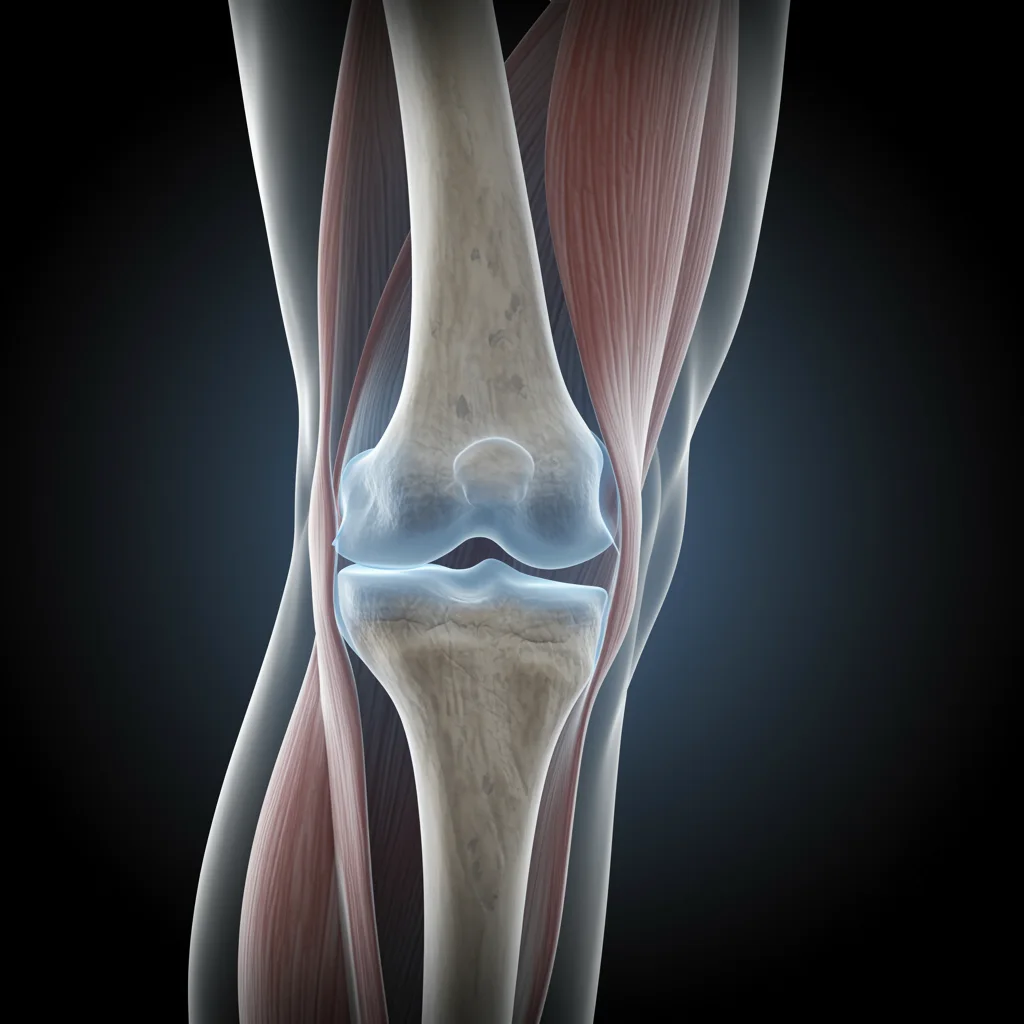
Glucosamine is a natural compound your body already makes and uses to build and maintain cartilage, the smooth tissue that cushions the ends of bones. As a supplement it is usually sold as glucosamine sulfate, often alongside chondroitin, and the idea is to supply extra raw material for the cartilage matrix.
Where does glucosamine come from?
Most glucosamine on the shelf is derived from the shells of shellfish such as shrimp and crab, which matters if you have a shellfish allergy or avoid animal-derived ingredients. Corn-fermented vegetarian versions exist but are less common and usually cost more. This sourcing is one practical reason some people look for a plant-based alternative.
What does the evidence say about glucosamine?
Glucosamine is one of the most-studied joint supplements, and the results are genuinely mixed. Some large trials and reviews found little difference from placebo for knee pain, while others suggested a modest benefit for certain people, particularly with the sulfate form used consistently over months. Major health bodies describe the evidence as inconsistent, so glucosamine is best understood as a slow, structural support that helps some people and not others — not a reliable painkiller and not a treatment for arthritis.
How does turmeric and curcumin compare for joints?
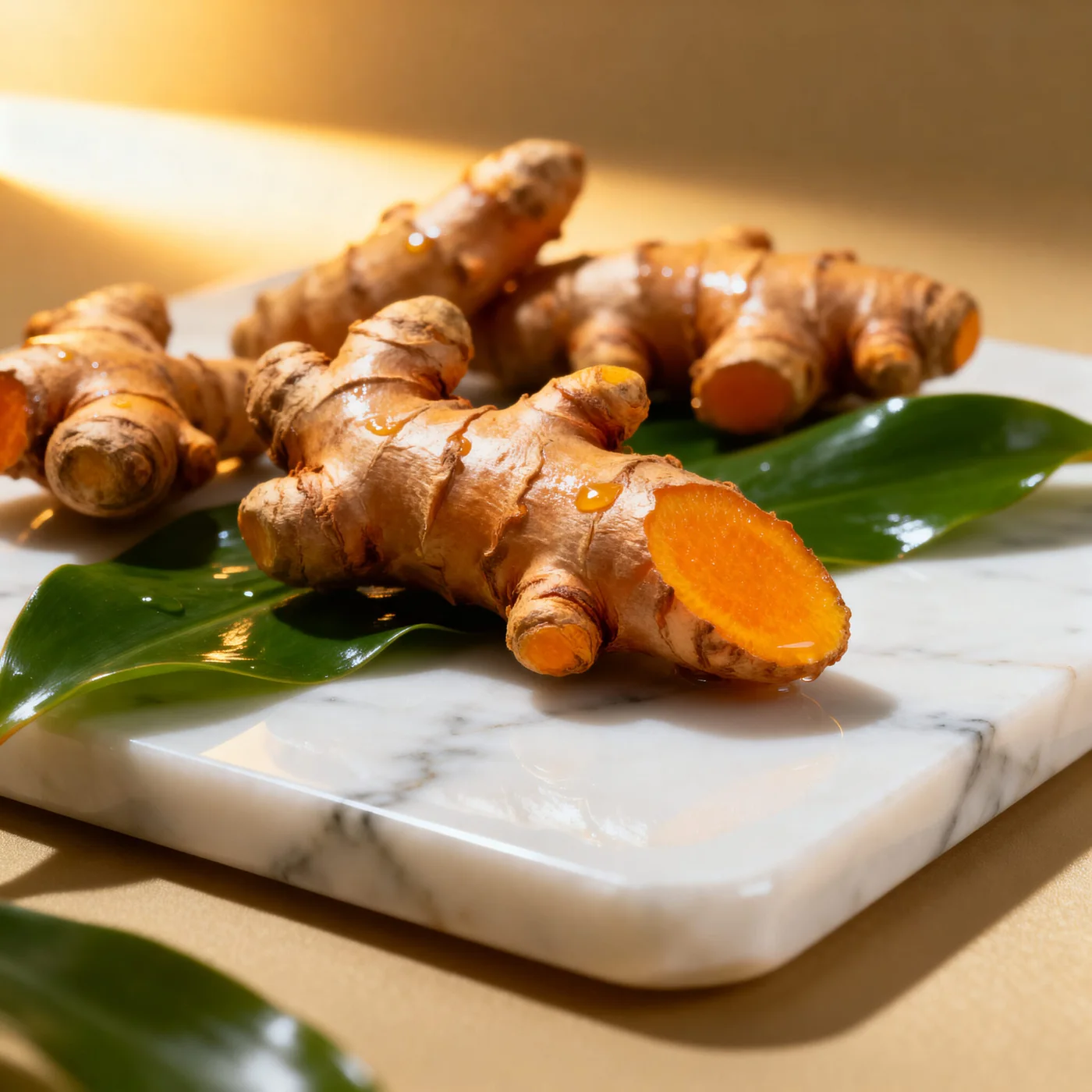
Turmeric is an Ayurvedic root whose active curcuminoids — chiefly curcumin — are studied for their role in the body’s normal inflammatory response rather than for rebuilding cartilage. Instead of supplying a building block, curcumin works on the biochemical signalling that shapes how comfortable a joint feels. It has a long traditional history in joint wellness and a large, active research literature, though like glucosamine the human evidence is still developing and results vary. The practical detail lives in our piece on whether glucosamine really works.
Why is absorption the key to curcumin?
Curcumin on its own is poorly absorbed, which is the single biggest reason a plain turmeric capsule can underdeliver. The traditional fix — pairing turmeric with black pepper — has real science behind it: piperine, standardized as BioPerine®, is included to help the body take up curcuminoids far more effectively. Any fair comparison of turmeric against glucosamine has to account for this, because a well-absorbed, standardized curcumin extract is a very different thing from raw turmeric powder.
| Glucosamine | Turmeric / curcumin | |
|---|---|---|
| What it is | Cartilage building block | Anti-inflammatory botanical |
| Main goal | Structural cartilage support | Body’s normal inflammatory response |
| Typical source | Shellfish (mostly) | Turmeric root (plant) |
| Vegetarian-friendly | Usually not | Yes |
| Absorption issue | Generally absorbed | Needs piperine / BioPerine |
| Speed | Slow, structural (weeks-months) | Gradual (weeks) |
| In ArthMira? | No | Yes — the core of the formula |
Prefer the turmeric route?
ArthMira pairs a standardized 95% curcumin extract with BioPerine® black pepper in one daily capsule — no shellfish, vegetarian-friendly. See the exact dose in ArthMira and compare the bundles; the six-bottle pack is the best value at $49 per bottle with free U.S. shipping and a 60-day guarantee.
Check today’s ArthMira pricing — from $49/bottleTurmeric or glucosamine: which has stronger evidence?
Honestly, both sit in the “promising but mixed” category, and anyone claiming one is proven to beat the other is overstating the science. Glucosamine has the longer and larger trial record, but many of those trials were neutral; curcumin has a smaller but active body of research and a strong traditional history. The table below summarises where each stands without overpromising — and it is worth repeating that neither is a medicine.
| Question | Glucosamine | Curcumin (turmeric) |
|---|---|---|
| Size of research base | Large, long-running | Growing, active |
| Consistency of results | Mixed / often neutral | Mixed, some positive |
| Traditional use | Modern supplement | Centuries in Ayurveda |
| How quickly people notice | Slow (structural) | Gradual |
| Suits a plant-based routine | Rarely | Yes |
| Treats a disease? | No | No |
For a deeper look at the curcumin side, read our explainer on turmeric and curcumin for joint pain, or the piece on why black pepper unlocks curcumin absorption.
Where does ArthMira land in the glucosamine vs curcumin debate?
ArthMira deliberately takes the turmeric route rather than the glucosamine one, because its formula is built to support the body’s everyday inflammatory response with well-absorbed plant compounds. Each daily capsule combines a 4:1 turmeric root extract, a standardized curcumin extract (95% curcuminoids), coleus forskohlii and BioPerine® black pepper for absorption. There is no glucosamine and no shellfish, which makes it a fit for people who want a vegetarian-friendly routine or simply prefer a botanical approach. It is a support to movement, weight and diet — not a replacement for them, and not a treatment for any condition. You can see the full breakdown in the ingredients section of our ArthMira review.
Can you take glucosamine and turmeric together?
Yes — because they act on different pathways, glucosamine and turmeric are frequently combined in the same joint formula, and there is no well-known interaction between the two. If you already take a glucosamine product and want to add a botanical angle, the pairing is a common one. The main caution is that turmeric and curcumin can thin the blood slightly, so anyone on blood thinners, with a bleeding disorder, or who is pregnant or nursing should check with a doctor before stacking supplements.
When should you talk to a doctor?
Supplements support comfortable everyday joints; they are not a substitute for medical care. Speak with your doctor if joint pain is severe, follows an injury, comes with swelling, redness or warmth, wakes you at night, or does not improve with sensible self-care — and before starting either glucosamine or turmeric if you are pregnant or nursing, under 18, have a shellfish allergy, or take medication such as blood thinners. A quick check makes sure whatever you add fits safely with the rest of your care. For the everyday habits that matter most, see our guide to easing joint pain naturally.
Frequently asked questions
Is glucosamine or turmeric better for joint pain?
Neither is universally better; they work differently. Glucosamine is a cartilage building block taken for structural joint support, while turmeric’s curcuminoids are studied for the body’s normal inflammatory response. Many people find a botanical curcumin routine easier to feel day to day, but evidence for both is mixed and individual, and neither treats any disease.
What is glucosamine and how does it work for joints?
Glucosamine is a natural compound your body uses to build and maintain cartilage, the cushioning tissue at the ends of bones. As a supplement it is usually taken as glucosamine sulfate to supply that building block, on the theory that it supports the cartilage matrix. Study results are mixed, and it is a long-term structural support rather than a fast-acting comfort aid.
Can I take glucosamine and turmeric together?
Many joint formulas combine them because they act on different pathways, and there is no well-known interaction between the two. Turmeric and curcumin can, however, thin the blood slightly, so if you take blood thinners, are pregnant or nursing, or have a bleeding condition, check with your doctor before stacking supplements.
Why does ArthMira use turmeric instead of glucosamine?
ArthMira is built around the turmeric family — a 4:1 turmeric root extract, standardized 95% curcuminoids, coleus forskohlii and BioPerine black pepper — because those botanicals target the body’s everyday inflammatory response and absorb well when paired with piperine. It is a plant-based comfort route rather than a cartilage-building supplement, and it is not a treatment for any condition.
How long does each take to work?
Glucosamine is typically taken for several weeks to a few months before any structural benefit is judged. Curcumin also builds gradually and is usually given a similar multi-week trial. Neither is an instant fix, so most people commit to a consistent daily routine of two to three months before deciding whether it suits them.
Is glucosamine vegetarian, and is turmeric a good alternative?
Most glucosamine is derived from shellfish, so it is not suitable for people with a shellfish allergy or those avoiding animal sources, though vegetarian corn-fermented versions exist. Turmeric and curcumin are plant-based, which is one reason a botanical formula like ArthMira appeals to people who prefer a vegetarian joint routine.
See the exact dose in ArthMira — try it risk-free for 60 days →
ArthMira is a dietary supplement, not a treatment for any medical condition. These statements have not been evaluated by the Food and Drug Administration. This product is not intended to diagnose, treat, cure or prevent any disease. Always consult a qualified healthcare professional about your individual needs.
References & further reading
- National Center for Complementary and Integrative Health (NCCIH). Glucosamine and Chondroitin for Osteoarthritis. nccih.nih.gov/health/glucosamine-and-chondroitin-for-osteoarthritis
- National Center for Complementary and Integrative Health (NCCIH). Turmeric. nccih.nih.gov/health/turmeric
- Examine.com. Glucosamine — evidence-based summary. examine.com/supplements/glucosamine
- Examine.com. Curcumin — evidence-based summary. examine.com/supplements/curcumin
- Wandel S, Jüni P, Tendal B, et al. Effects of glucosamine, chondroitin, or placebo in patients with osteoarthritis of hip or knee: network meta-analysis. BMJ, 2010. Wandel et al., BMJ 2010 — PubMed 20847017
- Mayo Clinic. Glucosamine — consumer overview. mayoclinic.org/drugs-supplements-glucosamine
These references describe the ingredients in general terms and do not constitute evidence that any product treats, cures or prevents any condition.
Keep reading: how turmeric and curcumin work · why 95% curcuminoids matter · back to the ArthMira blog · read the full ArthMira review.