MSM supplement for joint pain vs turmeric: why ArthMira picks its blend

Updated September 2026 · reviewed by the ArthMira Research Team. We are an independent information resource, not a medical provider, and this article is educational rather than medical advice.
An MSM supplement for joint pain uses methylsulfonylmethane, a natural sulfur compound, to support everyday comfort, while turmeric supplements work through curcuminoids that act on the body’s normal inflammatory response. Both are supports rather than treatments, and the honest difference is in the evidence and the absorption — which is exactly why ArthMira builds its formula on standardized turmeric curcumin paired with BioPerine rather than on sulfur alone.
MSM vs turmeric for aching joints, and where ArthMira lands.
- MSM in one line
- A sulfur donor sold for joints; a few small trials suggest modest symptom support, but the evidence is early and mixed.
- Turmeric in one line
- Its curcuminoids are far more widely studied for the body’s normal inflammatory balance and everyday joint comfort.
- The catch with curcumin
- It absorbs poorly on its own, so it is paired with black pepper (BioPerine) to help the body take it up.
- What ArthMira picks
- The turmeric-curcumin family — 4:1 root extract plus 95% curcuminoids, coleus forskohlii and BioPerine — not MSM.
If you have compared joint supplements online, you have almost certainly seen MSM and turmeric on the same shelf, often in the same bottle. They are two of the most searched-for joint ingredients, but they work in different ways and carry different amounts of research behind them. This guide lays out what each one actually is, what the evidence does and does not say, and the reasoning behind why ArthMira chose an absorption-paired turmeric blend.
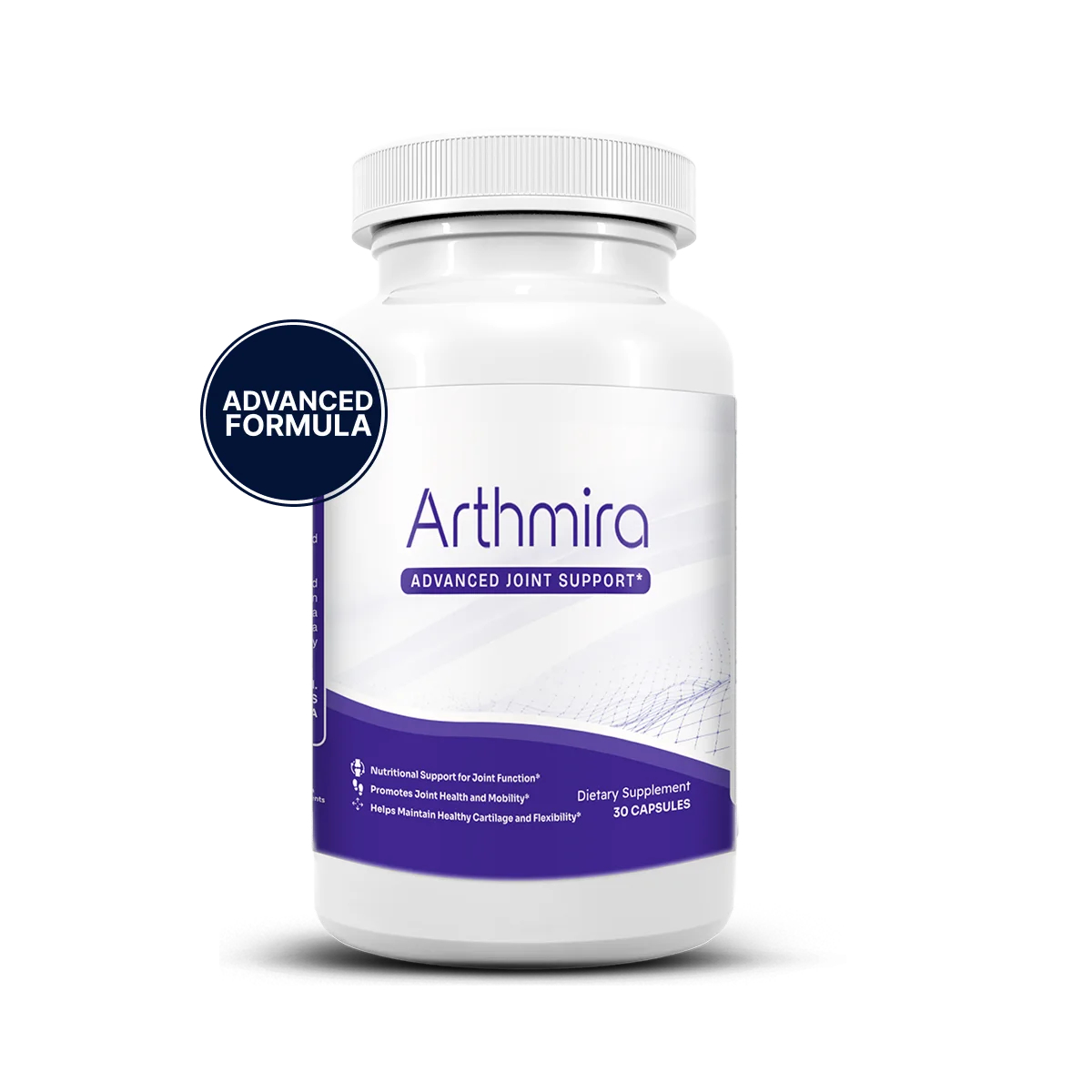
What is an MSM supplement, and how is it meant to help joints?
MSM, short for methylsulfonylmethane, is a naturally occurring sulfur compound found in small amounts in plants, animals and humans, and sold as a mobility supplement. The logic behind it is straightforward: sulfur is a raw material the body uses to build and maintain connective tissue, and MSM is discussed for its role in the body’s normal antioxidant and inflammatory balance. In practice it is one of the more affordable single-ingredient joint powders and capsules on the market.
The important caveat is the strength of the evidence. Most human research on MSM for joint comfort comes from small, short studies, and reviewers consistently describe the findings as promising but preliminary. That does not make MSM useless — it makes it a reasonable, low-cost option to discuss with a professional, rather than a proven answer. MSM supports a routine; it does not treat osteoarthritis or any disease.
What is turmeric, and why is it studied so heavily for joints?
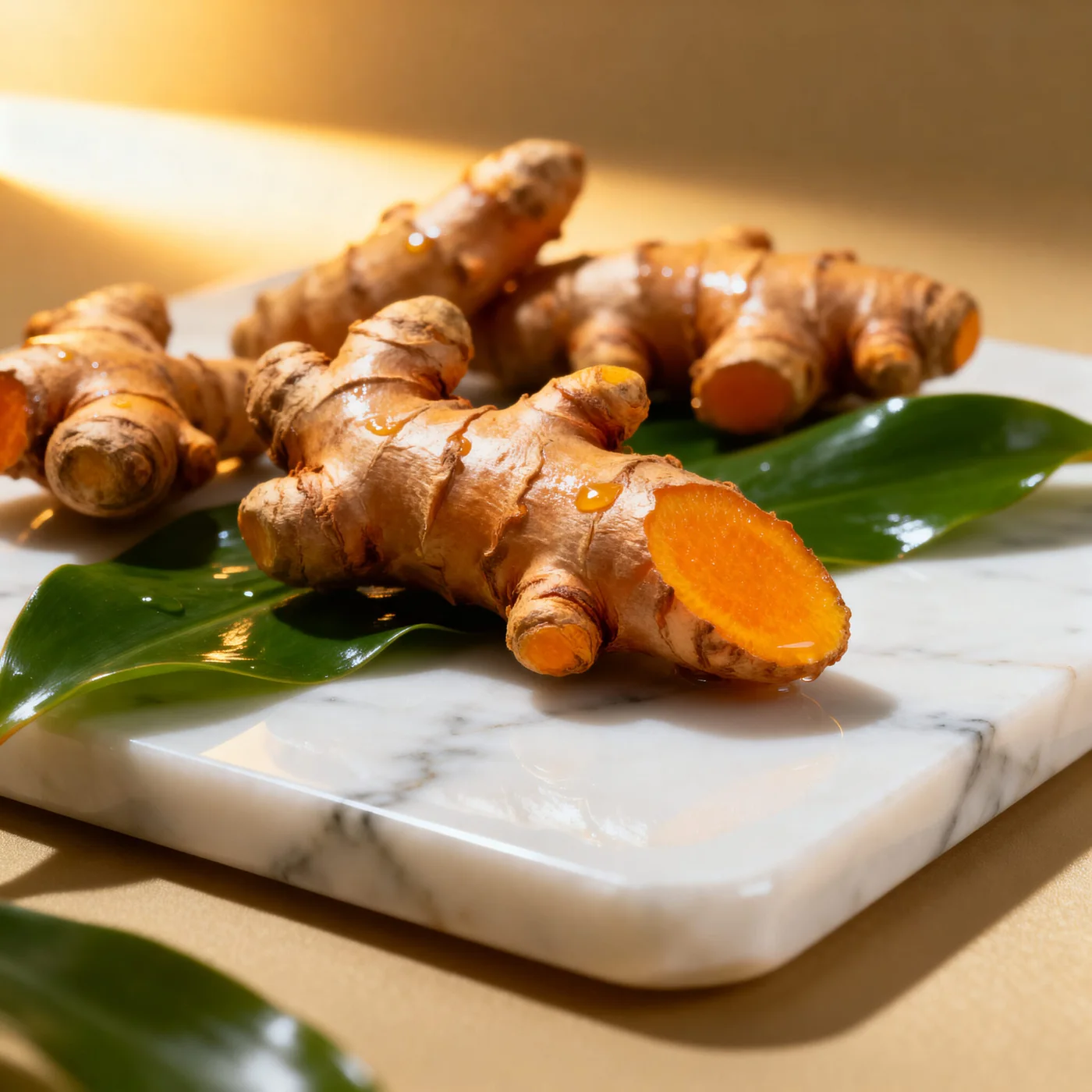
Turmeric is the golden Ayurvedic root whose active compounds — a group of curcuminoids led by curcumin — are among the most researched botanicals in the joint-comfort space. Where MSM has a handful of trials, curcumin has hundreds of studies exploring its interaction with the pathways behind the body’s normal inflammatory response. Its traditional use in joint wellness stretches back centuries, and modern interest has followed that long history rather than replaced it. This sits alongside our article on whether glucosamine really works, which comes at the same question from another angle.
Turmeric has one well-known weakness, though, and it is the whole reason formulation matters: plain curcumin is absorbed poorly and largely passed before the body can use much of it. This is where the pairing with black pepper comes in, and why a raw turmeric spice jar and a standardized, absorption-enhanced extract are not the same thing.
MSM vs curcumin: how do they compare at a glance?
The clearest way to see the difference between MSM and turmeric curcumin is side by side, on the points that actually decide which belongs in a daily formula: what they are, how they act, and how much research stands behind each.
| Point of comparison | MSM (sulfur) | Turmeric / curcumin |
|---|---|---|
| What it is | A natural sulfur compound (methylsulfonylmethane) | A botanical root and its standardized curcuminoids |
| Proposed role | Sulfur for connective tissue; antioxidant balance | Supports the body’s normal inflammatory response |
| Depth of research | Early and limited; small, short trials | Large and long-running; hundreds of studies |
| Traditional history | Modern supplement, few decades | Centuries of use in Ayurveda |
| Absorption issue | Generally well absorbed | Poor alone; needs a pairing such as BioPerine |
| Everyday tolerability | Usually well tolerated; mild GI upset possible | Usually well tolerated; mild GI upset possible |
Read the table honestly and a pattern emerges: MSM is inexpensive and generally well absorbed but thinly studied, while turmeric curcumin is deeply researched and traditionally rooted but needs an absorption partner to be worth taking. That single trade-off is the heart of the whole comparison — and it points directly at how you formulate.
See the exact dose in ArthMira →
Why does ArthMira pick turmeric over an MSM sulfur supplement?
ArthMira picks the turmeric-curcumin family because it offers the strongest combination of research depth, traditional history and, when formulated correctly, real absorption — the three things a daily joint supplement should be judged on. Rather than lean on a single thinly studied compound, the formula stacks the parts of the turmeric story that work together. The practical detail lives in our piece on turmeric versus glucosamine for joints.
The formula is built for absorption, not just ingredients
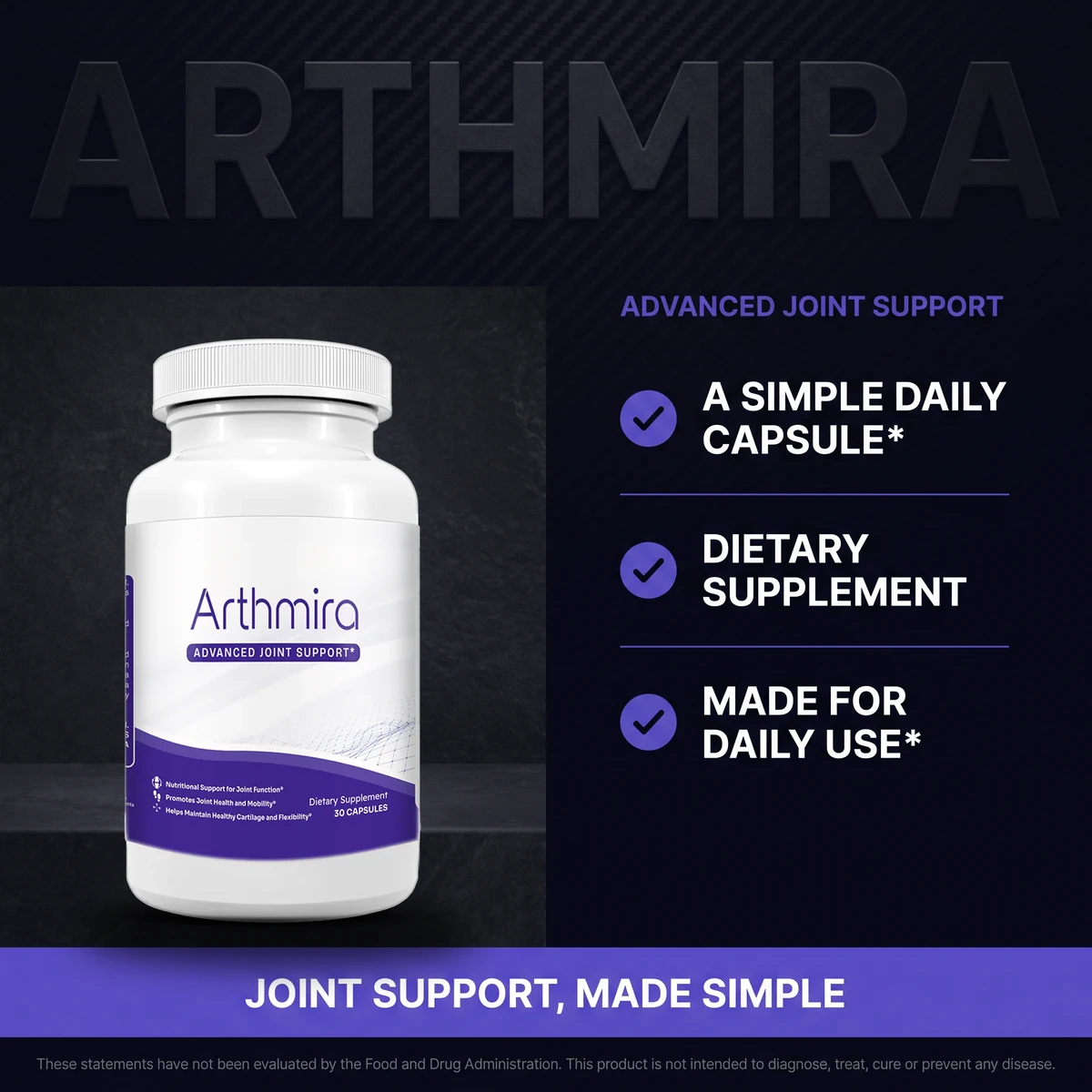
Absorption is where most turmeric products quietly fail, so ArthMira addresses it head-on. It combines a 4:1 turmeric root extract with a standardized curcumin extract at 95% curcuminoids, then adds BioPerine® black pepper, the piperine extract traditionally paired with turmeric to help the body take up more of what you swallow. A high-curcuminoid extract without an absorption partner is a common shortcut; pairing the two is the point.
It layers in a second botanical, coleus forskohlii
Alongside the turmeric family, ArthMira includes coleus forskohlii, the Ayurvedic herb and natural source of forskolin used in wellness formulas. The idea is a small, considered stack of well-known botanicals working in one daily capsule, rather than a single mega-dose of any one thing. For the full breakdown, see the ingredients section or our deep dive on turmeric and curcumin for joint pain.
Where MSM would still be a fair choice
In the interest of honesty: MSM is not a bad ingredient, and if your priority is the lowest cost or you have had a good experience with it, it is reasonable to discuss with your doctor. ArthMira’s position is simply that, given one daily capsule to fill, the turmeric-curcumin-BioPerine route carries more research and a clearer absorption story than sulfur alone.
Skip the sulfur-vs-turmeric guesswork
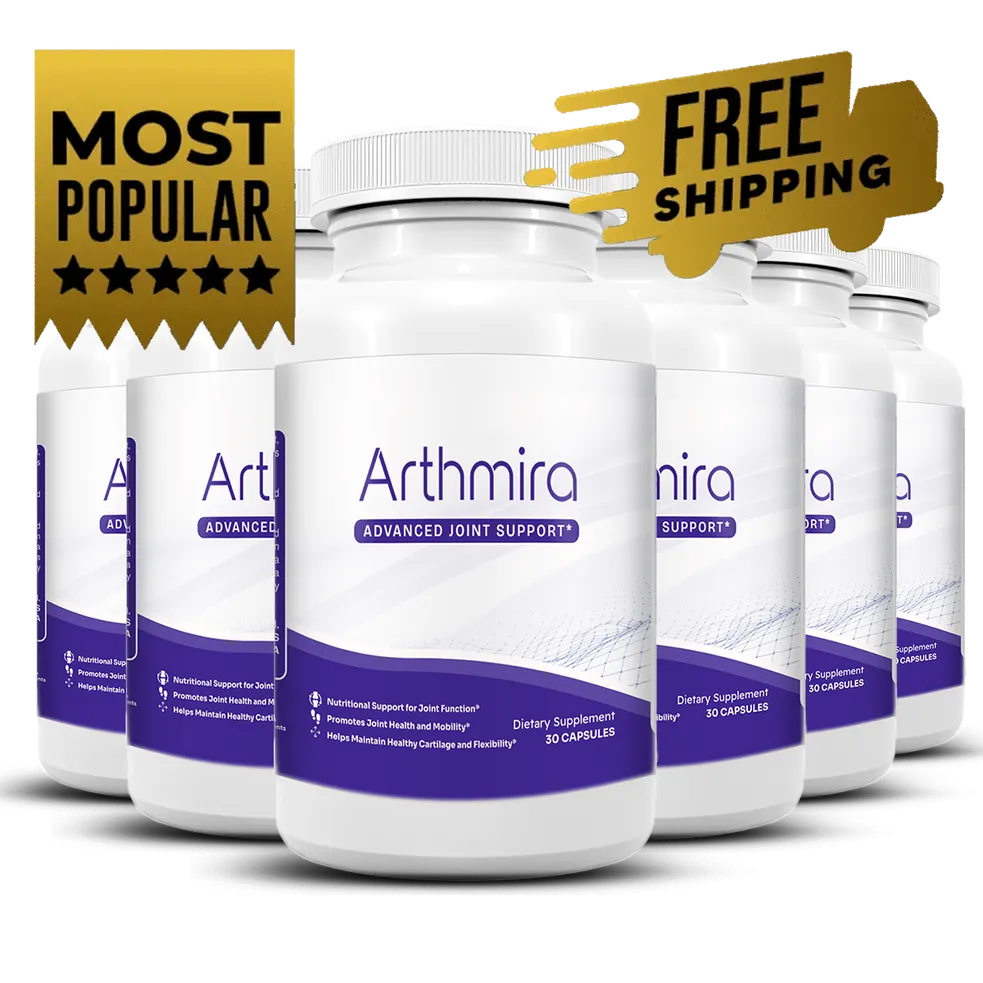
ArthMira is a once-daily capsule pairing standardized turmeric curcumin (95% curcuminoids) with BioPerine and coleus forskohlii. The six-bottle bundle is the best value at $49 per bottle, with free U.S. shipping and a 60-day money-back guarantee.
Check today’s ArthMira pricing — from $49/bottleHow do the doses and daily routines compare?
A supplement only helps if it fits your day, so the practical questions are how much you take, how often, and how long before you judge it. This table sets typical MSM use beside ArthMira’s once-daily turmeric approach.
| Practical factor | Typical MSM product | ArthMira (turmeric blend) |
|---|---|---|
| Common form | Powder or large capsules | One small daily capsule |
| Doses per day | Often split, once to three times | Once daily |
| Absorption support | Not usually needed | BioPerine black pepper included |
| Additional botanicals | Usually MSM alone | Curcumin extract + coleus forskohlii |
| Time to assess | Several weeks | Several weeks to a few months |
Because botanicals build their support gradually, most people choose a multi-month supply so they do not run out mid-routine — you can compare the packages and pricing on the homepage, or read how to ease joint pain naturally for the movement and diet habits that work alongside any capsule.
When should you talk to a doctor before choosing?
Neither MSM nor turmeric is a substitute for medical care, and choosing between them is a wellness decision, not a medical one. Speak with your doctor or pharmacist before starting either if you are pregnant or nursing, under 18, take blood thinners or other medication, have gallbladder concerns, or if your joint pain is severe, follows an injury, or comes with swelling, redness or warmth. A quick check makes sure whatever you add fits safely alongside your care.
Frequently asked questions
Is MSM or turmeric better for joint pain?
Neither is a treatment, and both are studied for everyday joint comfort rather than cure. MSM is a sulfur compound with some small trials in osteoarthritis, while turmeric’s curcuminoids have a larger and more consistent body of research for the body’s normal inflammatory response. ArthMira chooses the turmeric-curcumin route and pairs it with BioPerine black pepper for absorption.
What is an MSM supplement and how does it work for joints?
MSM, or methylsulfonylmethane, is a naturally occurring sulfur compound sold as a joint and mobility supplement. Sulfur is a building block the body uses in connective tissue, and MSM is discussed for its role in the body’s normal antioxidant and inflammatory balance. Evidence for joint comfort is early and mostly from small studies, so it is best viewed as supportive, not curative.
Why does ArthMira use turmeric and curcumin instead of MSM?
ArthMira is built on a 4:1 turmeric root extract plus a standardized curcumin extract at 95% curcuminoids, chosen for the depth of research behind the turmeric family and its long traditional use in joint wellness. Because curcumin is poorly absorbed on its own, ArthMira adds BioPerine black pepper to help the body take it up, alongside coleus forskohlii.
Can you take MSM and turmeric together?
Many people do combine them, and there is no well-known reason they conflict, but that is a question for your own doctor or pharmacist, especially if you take medication. ArthMira itself focuses on the turmeric-curcumin family with BioPerine rather than adding MSM, so the two do not need to be stacked to use ArthMira as directed.
How long before a joint supplement feels like it is working?
Botanicals such as turmeric build their support gradually, and most people give any joint supplement several weeks to a few months of daily use before judging it. Movement, weight and diet habits work alongside it, and individual results vary. Sharp or worsening pain is a reason to see a professional rather than wait.
Is MSM or turmeric safe to take every day?
Both are widely used and generally well tolerated at typical supplement doses in healthy adults, though mild digestive upset is possible. Neither is a substitute for medical care. Talk to your doctor before starting either if you are pregnant or nursing, under 18, take blood thinners, or have gallbladder issues.
Try ArthMira risk-free for 60 days →
ArthMira is a dietary supplement, not a treatment for any medical condition. These statements have not been evaluated by the Food and Drug Administration. This product is not intended to diagnose, treat, cure or prevent any disease. Always consult a qualified healthcare professional about your individual needs.
References & further reading
- National Center for Complementary and Integrative Health (NCCIH). Turmeric. nccih.nih.gov/health/turmeric
- National Center for Complementary and Integrative Health (NCCIH). Osteoarthritis and Complementary Health Approaches. nccih.nih.gov/health/osteoarthritis-in-depth
- Examine.com. Methylsulfonylmethane (MSM) — evidence-based summary. examine.com/supplements/msm
- Examine.com. Curcumin — evidence-based summary. examine.com/supplements/curcumin
- Kim LS, Axelrod LJ, Howard P, et al. Efficacy of methylsulfonylmethane (MSM) in osteoarthritis pain of the knee: a pilot clinical trial. Osteoarthritis and Cartilage, 2006. Kim et al., Osteoarthritis Cartilage 2006 — PubMed 16309928
- Mayo Clinic. Turmeric — drugs and supplements. mayoclinic.org/drugs-supplements-turmeric
These references describe the ingredients in general terms and do not constitute evidence that any product treats, cures or prevents any condition.
Keep reading: how turmeric and curcumin work · how to ease joint pain naturally · the ArthMira review · back to the ArthMira blog.