What causes joint inflammation? ArthMira explains the everyday science

Updated September 2026 · reviewed by the ArthMira Research Team. We are an independent information resource, not a medical provider, and this article is educational rather than medical advice.
Joint inflammation is the body’s natural repair-and-protect response switching on inside a joint — most often because everyday movement gradually wears the cartilage that cushions it, prompting a low-grade inflammatory signal to maintain the tissue. In other words, what causes joint inflammation is usually ordinary load and wear over years, added to by injury, extra weight and an inflammation-prone diet, rather than one dramatic event. This guide explains, in plain language, why joints get stiff and inflamed, and how turmeric-forward nutrition like ArthMira aims to support a normal inflammatory response — not to treat any disease.
What causes joint inflammation, and why it builds slowly, in one place.
- The short version
- Joint inflammation is the body’s normal response to wear, load or irritation in a joint; everyday movement slowly thins cushioning cartilage, and the body answers with an inflammatory repair signal.
- Main everyday drivers
- Ordinary wear with age, overuse and past injury, extra body weight loading the joints, and a diet high in processed food and sugar.
- Why it’s not all bad
- Inflammation is a healthy, necessary signal; the goal is keeping the response balanced, not switching it off.
- Where ArthMira fits
- A once-daily turmeric-forward capsule whose standardized curcumin is studied for its role in the body’s normal inflammatory response — a support, not a cure.
Most of us notice it before we can name it: a knee that protests on the stairs, a hip that takes a minute to loosen in the morning, fingers that feel thick after a day at the keyboard. That sensation is often joint inflammation at work — and understanding what actually causes it makes the everyday advice about movement, weight and diet finally make sense. Below we walk through the real mechanism, the common triggers, and where a turmeric-forward supplement like ArthMira honestly does and does not fit.
What is joint inflammation, exactly?
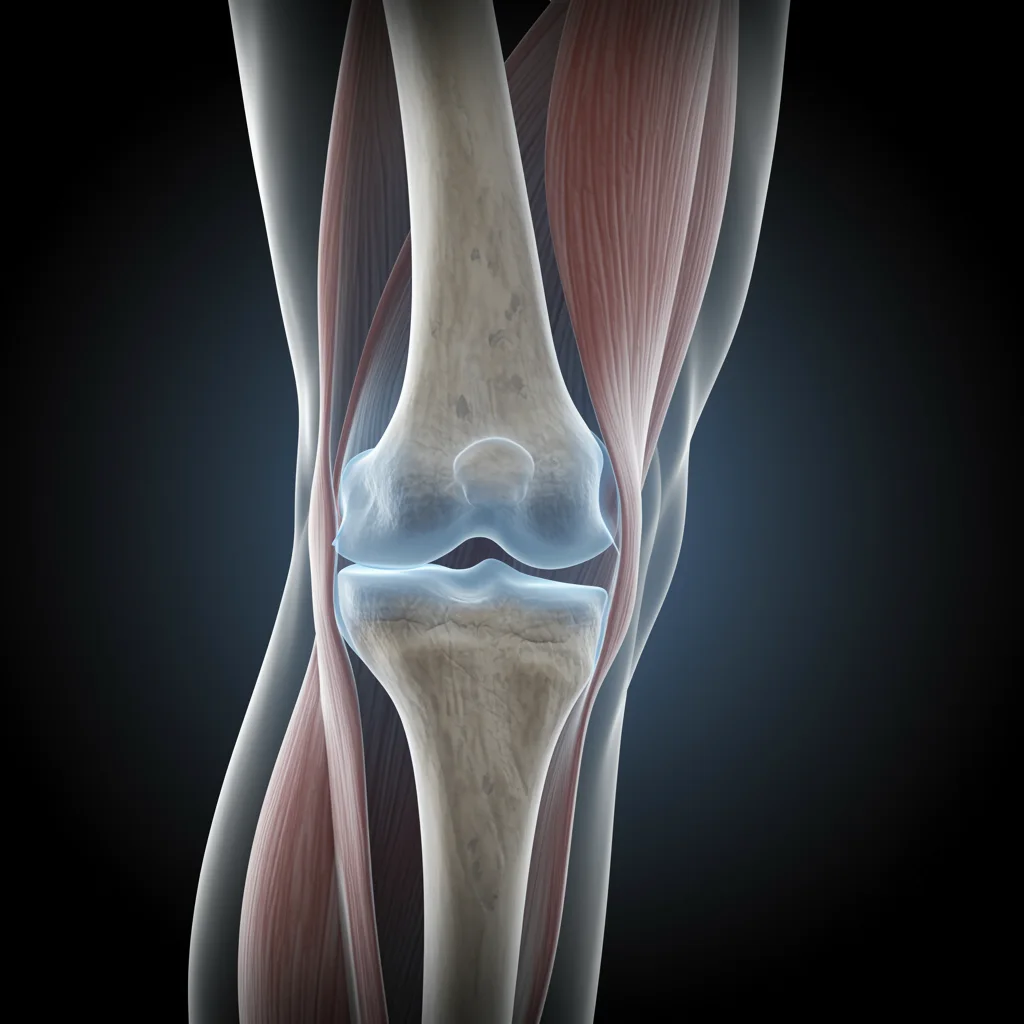
Joint inflammation is the body’s protective response activating within a joint, sending extra blood flow, fluid and immune signals to an area it is trying to maintain or repair. A joint is where two bones meet, capped with smooth cartilage and bathed in a slippery fluid so they can glide without grinding. When any part of that system is stressed — the cartilage worn, the surrounding tissue strained, the fluid balance disturbed — the body flags it for attention, and that flag is inflammation. The familiar signs, warmth, mild swelling, stiffness and tenderness, are simply that response made visible.
It helps to hold two ideas at once. Inflammation is not the enemy; it is how the body defends and rebuilds tissue, and without it we could not heal at all. The trouble comes when the signal is triggered again and again, or lingers longer than it should, so a joint feels stiff and sore as a background hum rather than a passing repair. That distinction — helpful short-term signal versus persistent nagging one — is the thread running through everything that follows.
What causes joint inflammation in the first place?
The most common cause of joint inflammation is cumulative everyday wear, where years of ordinary movement gradually thin the cartilage cushion and the body responds with a low-grade repair signal. Very few people wake up one day with inflamed joints out of nowhere; far more often it is the quiet arithmetic of decades of steps, lifts and bends. But wear is not the only input. Several everyday factors stack on top of it, and most of them are things we can actually influence.
Does everyday wear really cause it?
Yes — everyday joint wear is the leading everyday driver. Cartilage has no direct blood supply and repairs slowly, so the small stresses of walking, kneeling, typing and lifting accumulate faster than the tissue rebuilds. Over time the cushion thins and roughens, the joint surfaces meet with more friction, and the body raises an inflammatory response to manage the change. This is why stiffness so often creeps in with age rather than arriving overnight.
How do injury and overuse add to it?
A past sprain, a repetitive-strain habit or a season of overtraining can leave a joint more prone to inflammation for years afterward. Injury disrupts the smooth surfaces and surrounding tissue, and even after it heals the joint may carry a lower threshold for irritation. Overuse — the same motion, thousands of times — keeps a joint under load without recovery, which is why runners, tradespeople and heavy keyboard users often feel it in predictable spots.
What about body weight and diet?
Extra body weight multiplies the load on weight-bearing joints with every step, and diet shapes the body’s overall inflammatory balance. Carrying more weight means the knees and hips absorb more force thousands of times a day, accelerating wear. Diet works more subtly: patterns heavy in ultra-processed food, refined sugar and excess calories are associated with more inflammatory signalling throughout the body, while colourful, fibre-rich, plant-forward eating is linked with a calmer profile. Neither is a switch, but both are levers you can move.
| Common cause | How it drives joint inflammation | Everyday example |
|---|---|---|
| Everyday wear & age | Cartilage thins slowly over years of movement, so joint surfaces meet with more friction and the body raises a repair signal. | Stiff knees on the stairs that build up gradually through your forties and fifties. |
| Injury & overuse | Past damage or repeated strain leaves a joint with a lower threshold for irritation. | An old ankle sprain that still aches, or wrists that flare after long typing days. |
| Body weight | Extra load multiplies the force through weight-bearing joints with every step. | Hips and knees working harder over years of carrying additional weight. |
| Diet & lifestyle | Processed food, sugar and inactivity are linked with a more inflammation-prone body-wide balance. | A run of takeaways and little movement leaving joints feeling generally worse. |
What actually happens inside an inflamed joint?
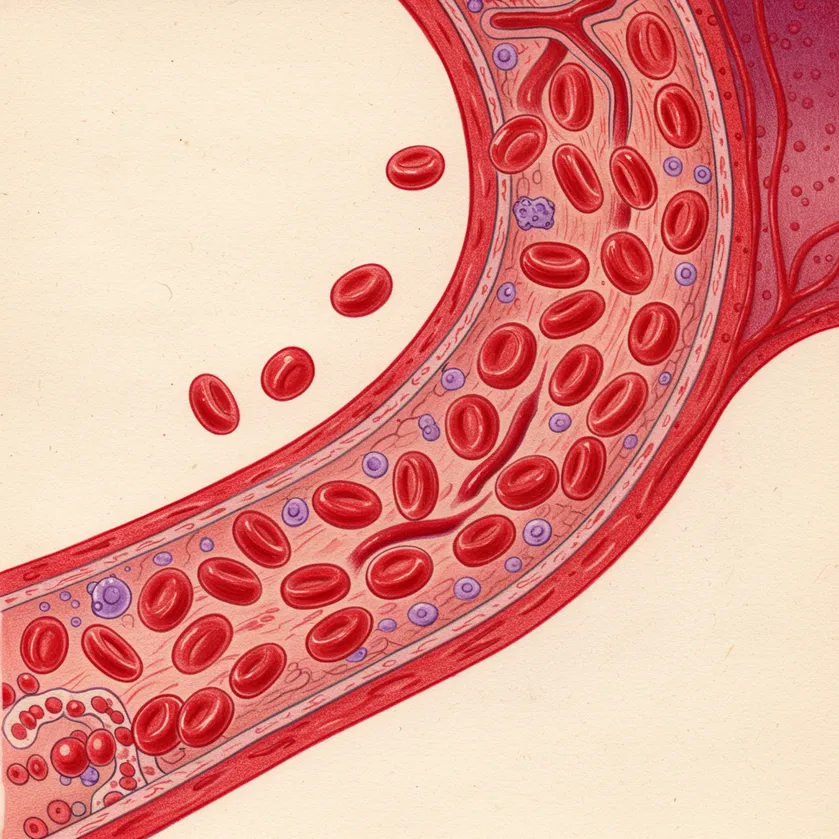
Inside an inflamed joint, the body widens local blood vessels and sends immune cells and fluid to the site, which produces the warmth, swelling and stiffness we feel. When cartilage wear or strain is detected, signalling molecules call in the repair crew; blood flow rises so more of those cells can reach the tissue, and fluid gathers to cushion and protect the area. That extra fluid is part of why an inflamed joint can feel puffy and move less freely — the swelling is not the problem itself but the body’s way of guarding the joint while it works.
This inflammatory response is meant to be self-limiting: it ramps up, does its job, and quiets down. The everyday joint stiffness many people live with comes from that cycle running low and slow in the background rather than resolving cleanly, often because the underlying wear or load never lets up. Understanding this is what makes the practical advice click — ease the load, support the tissue, and give the response less to keep reacting to. There is more on this in our guide to how to soothe aching joints naturally.
Support a normal inflammatory response, once a day
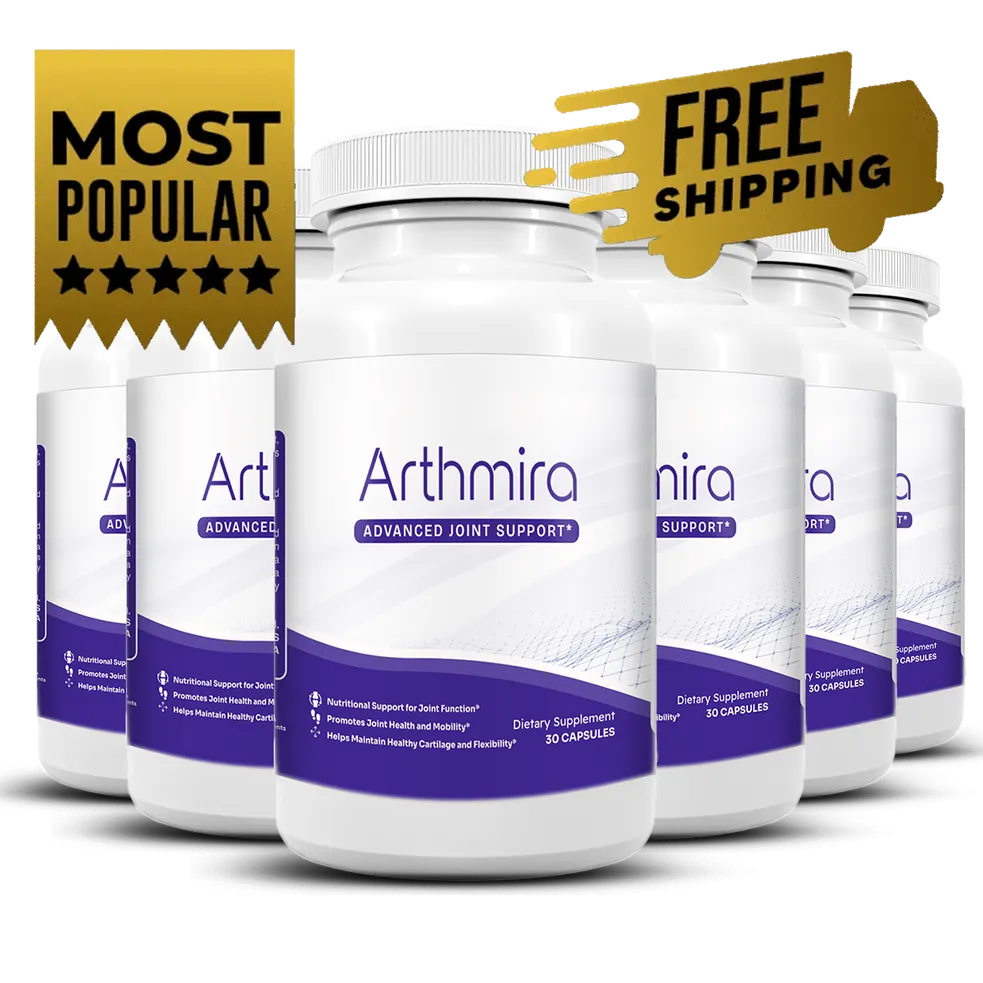
ArthMira pairs a standardized curcumin extract with BioPerine® black pepper in a single daily capsule, formulated for everyday joint comfort. The six-bottle bundle is the best value at $49 per bottle, with free U.S. shipping and a 60-day guarantee.
See the exact dose in ArthMira →Why do joints get stiff as we age?
Joints stiffen with age because the tissues that keep them gliding change slowly over decades: cartilage thins, the lubricating fluid becomes less abundant, and years of accumulated wear leave surfaces rougher. None of this is a sudden failure; it is the gradual arithmetic of everyday joint wear catching up. The lubricating fluid also circulates best when a joint moves, which is why long periods of stillness — a night’s sleep, a long drive, a day at a desk — often leave a joint feeling tightest right before it warms back up.
That is also the reassuring part. Because movement, load and diet all feed into the picture, the everyday habits that reduce wear and support the body’s balance are within reach. Gentle regular motion keeps the lubricating fluid working, sensible weight eases the load, and a plant-forward diet supports a calmer inflammatory profile. Our companion guides on the best foods and habits for healthy joints and easing joint pain naturally go deeper on the day-to-day side.
| Age-related change | What it means for the joint | Everyday support |
|---|---|---|
| Cartilage gradually thins | Less cushioning, so surfaces meet with more friction. | Regular gentle movement and sensible load management. |
| Lubricating fluid declines | Joints glide less smoothly and feel stiffer after rest. | Frequent motion to keep the fluid circulating. |
| Accumulated wear from years of use | A lower threshold for the inflammatory repair signal. | Weight management to reduce ongoing load. |
| More inflammation-prone body balance | The background signal quiets down less readily. | A colourful, plant-forward, whole-food diet. |

Can nutrition support a normal inflammatory response?
Nutrition can influence the body’s inflammatory balance, which is why food and certain botanicals are studied as everyday support for joint comfort rather than as treatments. The clearest lever is the overall pattern of eating: diets rich in vegetables, fibre, oily fish and colourful plants are associated with a calmer inflammatory profile, while those dominated by ultra-processed food and refined sugar are linked with more signalling. On top of the whole-diet picture, a handful of plant compounds have drawn particular research interest for their role in the normal inflammatory response.
Turmeric is the most-studied of these. Its active curcuminoids are researched for their part in the body’s normal inflammatory response, and reference bodies such as the National Center for Complementary and Integrative Health describe turmeric as widely studied while noting that findings are mixed and more rigorous research is still needed. The honest summary: there is a large, encouraging body of work and a long traditional history, but curcumin is a dietary ingredient, not an approved medicine, and anyone promising it cures joint disease is overstating the science.
How does ArthMira fit into joint inflammation support?
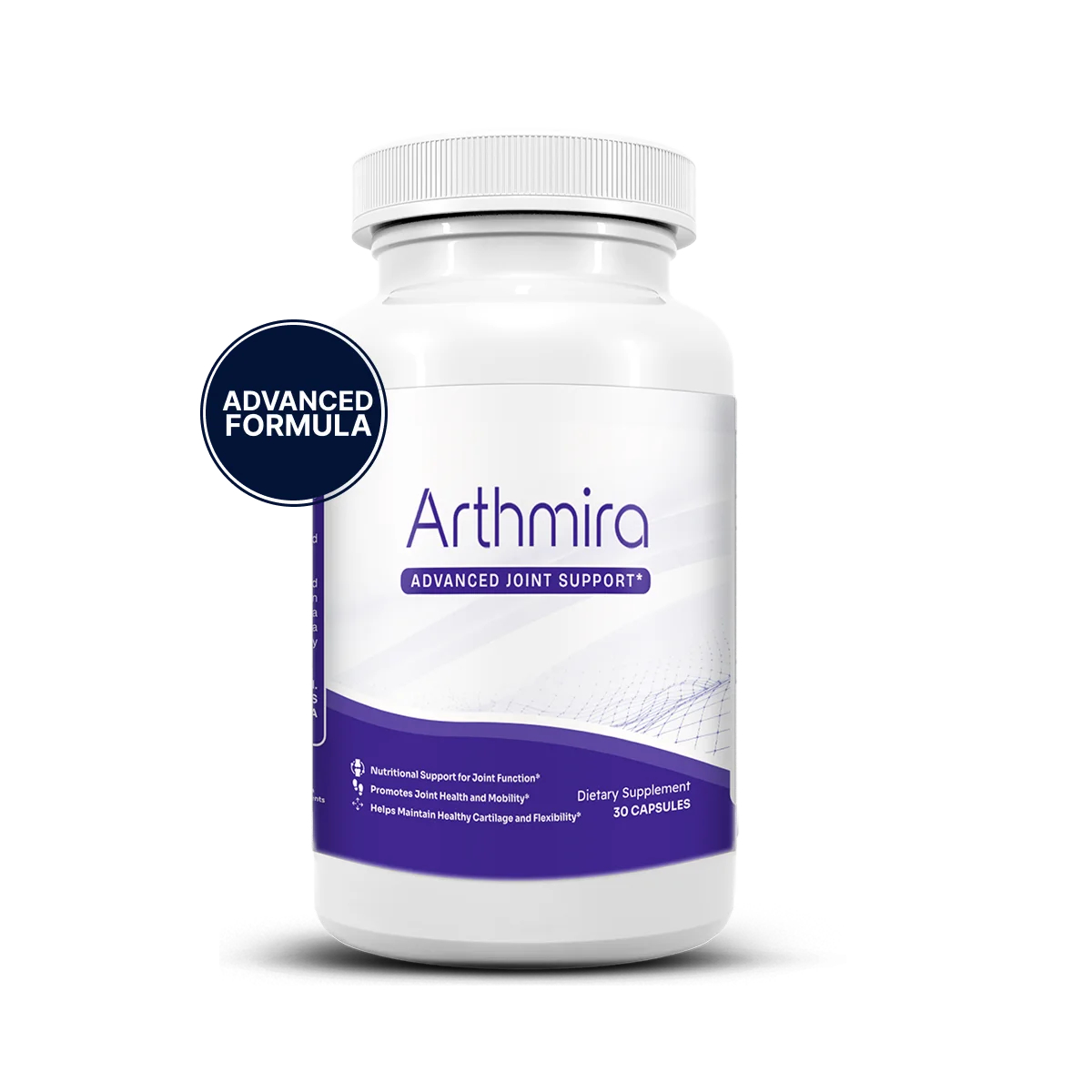
ArthMira is a once-daily, turmeric-forward supplement designed to support the body’s normal inflammatory response and everyday joint comfort — a support to good habits, not a substitute for them. Each capsule brings together a 4:1 turmeric root extract for the fuller root profile, a standardized curcumin extract at 95% curcuminoids for a known dose of the studied active, coleus forskohlii as a traditional Ayurvedic botanical, and BioPerine® black pepper because curcumin is otherwise poorly absorbed. The idea is straightforward: deliver a well-studied active in a form that is consistent, absorbable and easy to keep up every day.
What ArthMira is designed to do
ArthMira aims to complement the everyday levers that reduce joint wear — movement, sensible weight and a plant-forward diet — by supplying a standardized turmeric active studied for its role in the normal inflammatory response. It sits alongside those habits rather than replacing them, which is exactly how a dietary supplement should be positioned. The exact amounts are printed on the supplement facts panel, so nothing about the dose has to be taken on trust; the standardized 95% curcuminoid guide unpacks that active in detail.
What ArthMira is not
ArthMira is not a drug and does not treat, cure or prevent arthritis, inflammation or any disease. It will not undo cartilage wear, and it is not a reason to skip a doctor’s visit for a joint that is hot, swollen or severely painful. Framed honestly, it is one supportive piece of a bigger everyday picture, and results vary from person to person. For the full formula and how people use it, see the complete ArthMira review.
When should you see a doctor?
You should see a healthcare professional when joint symptoms are severe, sudden, or clearly more than everyday stiffness. A joint that is hot, red or visibly swollen, pain that comes on sharply or will not settle, morning stiffness that lasts more than an hour, fever alongside joint symptoms, or discomfort that persists despite rest can all point to conditions that need proper diagnosis. No article or supplement can assess an individual joint — that is a doctor’s job, and getting the right diagnosis early is always the sensible move.
Frequently asked questions
What causes joint inflammation in everyday life?
Everyday joint inflammation is usually driven by ordinary wear and load rather than a single event: years of movement gradually thin the cartilage that cushions a joint, and the body responds with a low-grade inflammatory signal to maintain and repair the tissue. Overuse, past injury, extra body weight, and an inflammation-prone diet can all add to that load, which is why stiffness often builds slowly with age.
Is joint inflammation always a bad thing?
No. Inflammation is a normal, necessary process the body uses to protect and repair tissue, including the joints. The aim is not to switch it off but to keep the inflammatory response in a comfortable, balanced range. Problems arise when the signal stays elevated for a long time, which is a conversation to have with a doctor rather than something a supplement treats.
Why do my joints feel stiff in the morning?
Morning stiffness is common because joints move less during sleep, so the fluid that lubricates them is not being circulated and mild overnight inflammation can settle in. Gentle movement usually eases it within minutes as the joint warms up and the lubricating fluid spreads. Stiffness that is severe, lasts more than an hour, or comes with swelling is worth discussing with a healthcare professional.
Does diet affect joint inflammation?
Diet can influence the body’s overall inflammatory balance. Diets high in ultra-processed foods, refined sugar and excess calories are associated with more inflammatory signalling, while patterns rich in vegetables, fibre, oily fish and colourful plants are linked with a calmer profile. Food is a support to comfort and mobility, not a cure, and its effects build gradually over weeks and months.
Can turmeric or ArthMira reduce joint inflammation?
Turmeric’s active curcuminoids are studied for their role in the body’s normal inflammatory response, and ArthMira pairs a standardized curcumin extract with BioPerine black pepper for absorption. It is a dietary supplement intended to support everyday joint comfort, not a drug that reduces, treats or cures inflammation or any disease, and results vary from person to person.
When should I see a doctor about joint inflammation?
See a healthcare professional if a joint is hot, red or visibly swollen, if pain is severe or sudden, if stiffness lasts more than an hour each morning, if you have fever alongside joint symptoms, or if discomfort persists despite rest. Those signs can point to conditions that need proper diagnosis, which is beyond what any supplement or article can provide.
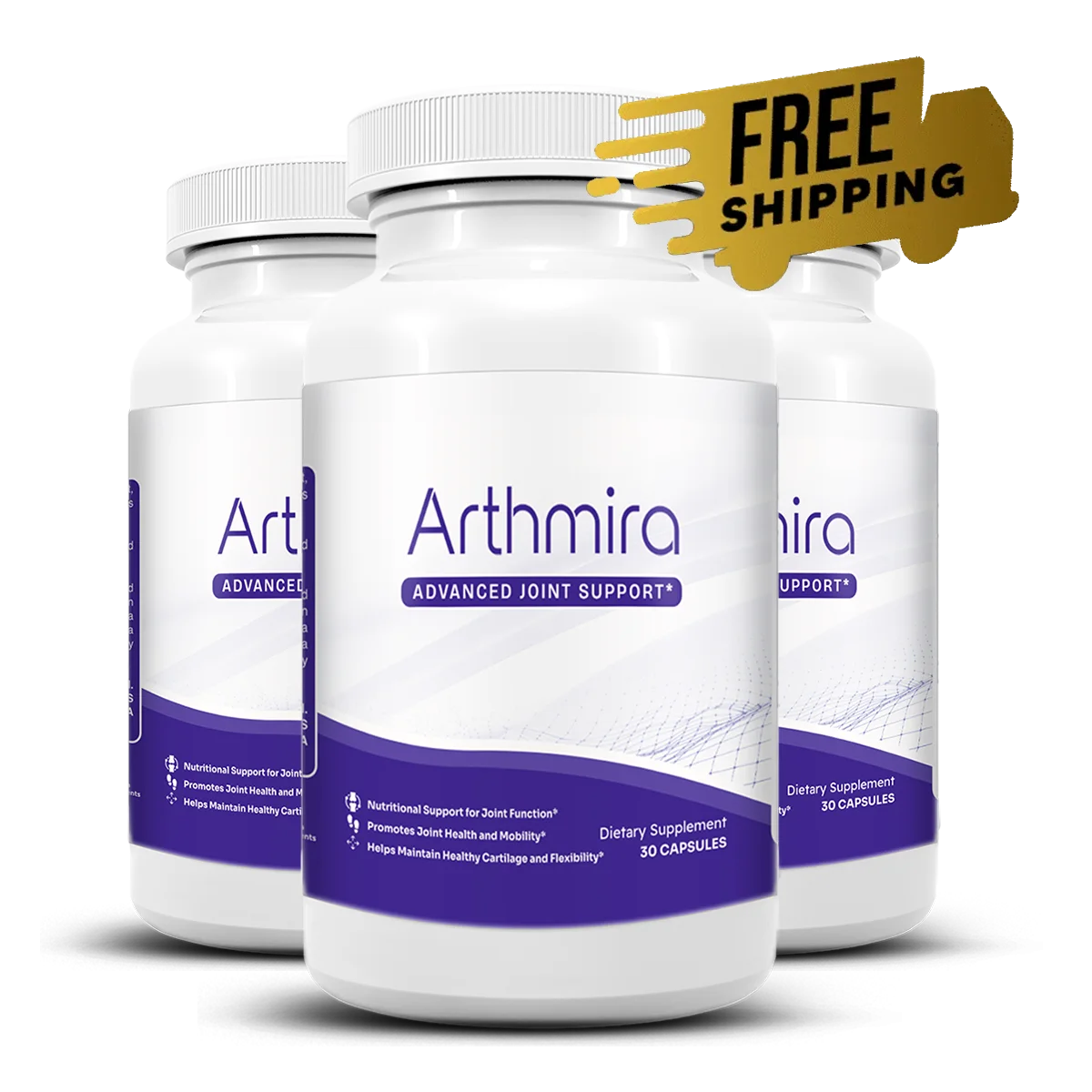
Give your daily routine turmeric-forward support
Pair sensible movement, weight and diet with a standardized turmeric active designed for everyday joint comfort, backed by a 60-day money-back guarantee.
Check today’s ArthMira pricing — from $49/bottleArthMira is a dietary supplement, not a treatment for any medical condition. These statements have not been evaluated by the Food and Drug Administration. This product is not intended to diagnose, treat, cure or prevent any disease. Always consult a qualified healthcare professional about your individual needs.
References & further reading
- National Center for Complementary and Integrative Health (NCCIH). Turmeric. nccih.nih.gov/health/turmeric
- National Institute of Arthritis and Musculoskeletal and Skin Diseases (NIH). Osteoarthritis. niams.nih.gov/health-topics/osteoarthritis
- Mayo Clinic. Arthritis — symptoms & causes. mayoclinic.org/diseases-conditions/arthritis
- Examine.com. Curcumin — evidence-based summary. examine.com/supplements/curcumin
- Thomas S, Browne H, Mobasheri A, Rayman MP. What is the evidence for a role for diet and nutrition in osteoarthritis? Rheumatology (Oxford), 2018. Thomas et al., Rheumatology 2018 — PubMed 29684218
These references describe joints, inflammation and ingredients in general terms and do not constitute evidence that any product treats, cures or prevents any condition.
Keep reading: how turmeric and curcumin work for joints · best foods and habits for healthy joints · the full ArthMira review · back to the ArthMira blog.